Diesel Additive Buying: Dose Rates, CRDi Compatibility, and What 350L Really Means
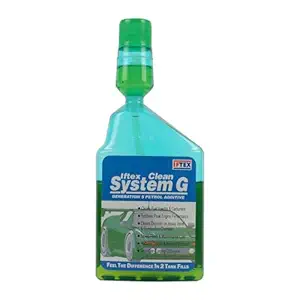
The Iftex System D+ kit pairs a 300 ml concentrate with a 250 ml companion bottle, with the claimed 350-litre treatment span built around a small dose-per-tank routine rather than a single one-shot pour. For Indian diesel car and SUV owners dealing with injector deposits, the real question is whether the dosing math and chemistry match your engine type and driving pattern.
Key Considerations Before Buying
- Check the dose-to-fuel ratio against your tank size: a 350-litre total treatment span means roughly 1–1.5 ml per litre depending on how the two bottles are split, so a 45–60 litre tank fill needs only a small measured pour — overdosing wastes money and underdosing undermines the cleaning claim.
- Confirm compatibility with your fuel system: modern common-rail (CRDi) diesel engines in cars and SUVs run at very high injection pressures and tighter injector tolerances than older rotary-pump diesels, so look for additive labeling that explicitly covers CRDi and DPF-equipped vehicles.
- Match the product to your actual problem: a deposit-control and injector-cleaner additive addresses rough idle, sluggish pickup, and gradually falling mileage, but it will not fix a failed injector, a clogged DPF, or contaminated fuel — diagnosing the symptom first prevents disappointment.
What Our Analysts Recommend
Prioritise additives that state an active-ingredient class (detergent/dispersant chemistry), a clear treat rate, and suitability for both older and common-rail diesel engines. Batch or manufacturing dates, an Indian manufacturer address, and a measurable dosing method (graduated bottle or marked cap) are practical quality signals that separate serious products from vague 'power booster' claims.
Diesel Additives Market Context
Market Overview
India's diesel additive shelf is crowded with injector cleaners, cetane boosters, and 'mileage increaser' products, and the segment has grown alongside the shift to BS-VI fuel and common-rail engines in popular SUVs and sedans. Most offerings are small-volume liquid concentrates sold in the ₹200–₹800 range, making trial-and-error affordable but also encouraging impulse buys of unproven formulas.
Common Issues
The biggest complaints in this category are overstated fuel-economy promises, additives that thin or contaminate oil over repeated use, and products with no clear dose instructions that lead to over-treatment. Owners also report confusion between maintenance dosing (regular small amounts) and shock dosing (a stronger one-time clean), which affects how results should be judged.
Quality Indicators
Reputable diesel additives disclose their active chemistry or at least its function, give a precise treat ratio, and name the engine types they suit. Consistent packaging, legible batch codes, and a manufacturer willing to publish dosage guidance are stronger trust markers than aggressive horsepower or mileage claims on the label.
Review Authenticity Insights
Grade B Interpretation
A Grade B with an estimated 15% fake-review share is middling-to-decent for an Indian automotive additive listing: the adjusted 4.20/5 still sits well above average, and the analysis notes that most reviews include specific vehicle models, years of use, and realistic observations. That pattern — detail-rich, modestly enthusiastic reviews — is harder to fabricate at scale than generic five-star praise.
Trust Recommendation
Treat the 4.56 headline rating as slightly inflated and plan around the 4.20 adjusted figure when setting expectations. Read the middle-star reviews first, since they tend to describe partial results or dosing mistakes, and cross-check any claim of large mileage gains against your own baseline before committing to repeat purchases.
Tips for Reading Reviews
For diesel additives, weight reviews that name the vehicle, engine type, and odometer reading far above short 'excellent product' posts. Look for reviewers describing effects after two or more tanks of use, and be sceptical of reviews reporting dramatic horsepower or fuel-economy jumps, which are rarely credible for a deposit-control additive.
Expert Perspective
The Iftex System D+ kit is best understood as a routine deposit-control treatment rather than a repair-in-a-bottle: its two-bottle format and 350-litre span suit owners who want to dose a small amount at each fill over several months. The adjusted 4.20/5 rating from a largely genuine review base suggests it performs credibly for its class, though the 15% estimated fake-review share means the true satisfaction level is likely good rather than exceptional. Its value hinges on disciplined dosing and realistic expectations around smoothness and pickup rather than headline fuel savings.
Purchase Considerations
Weigh the per-litre treatment cost against your tank size and how often you actually drive, since a 350-litre span can stretch across many months for a low-mileage owner. If your diesel car is under warranty or DPF-equipped, verify the additive's stated compatibility before regular use, and avoid stacking multiple additive brands in the same tank.
Comparing Alternatives
Compare Iftex's dose rate and engine compatibility against established diesel injector cleaners before buying, since treat cost per litre and CRDi suitability vary widely across the category.