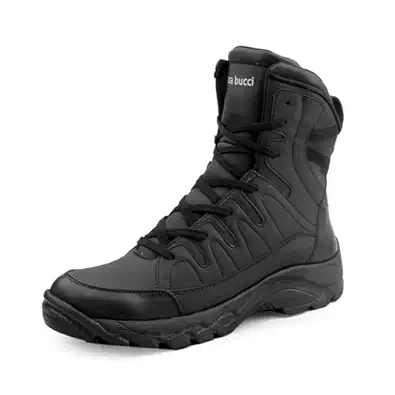
What to Know Before Buying Genuine Leather Chelsea Boots with Orthopedic Insoles
When considering slip-on Chelsea boots like the Thomas Crick model, focus on how genuine leather construction interacts with the orthopedic insole system. This specific boot combines traditional elastic gusset design with modern comfort features, requiring attention to both fit and material quality.
Key Considerations Before Buying
- The elastic side panels must provide secure ankle retention while allowing easy slip-on access—test whether they maintain tension after repeated wear.
- Genuine leather in Indian manufacturing often uses vegetable-tanned hides; check for consistent grain and minimal surface corrections in product images.
- Cushioned ortho insoles should offer arch support without compromising the boot's interior volume, affecting sizing decisions.
What Our Analysts Recommend
Examine close-up photos for leather creasing patterns around the vamp, which indicate quality hide flexibility. For orthopedic features, seek reviews mentioning all-day wear comfort rather than just initial cushioning, as genuine support develops over time.
Boots Market Context
Market Overview
The Indian men's casual boot market increasingly blends traditional leather craftsmanship with Western orthopedic designs, creating hybrid products like these Thomas Crick boots. Price-conscious consumers now expect genuine leather at entry-level price points, driving specific manufacturing approaches.
Common Issues
Chelsea boots frequently suffer from elastic panel degradation or improper last shaping that causes heel slippage. Indian leather products sometimes exhibit inconsistent dye lots or variations in hide thickness between production batches.
Quality Indicators
Quality Chelsea boots maintain clean welt stitching where the upper meets the sole and show uniform elastic panel tension. Superior genuine leather develops a patina rather than cracking, with tight creasing at flex points.
Review Authenticity Insights
Grade B Interpretation
A Grade B authenticity rating with 15% estimated fake reviews suggests mostly reliable feedback with some promotional content. The adjusted 4.40/5 rating (down from 4.75/5) indicates genuine reviews are slightly less enthusiastic than the overall average suggests.
Trust Recommendation
Prioritize reviews discussing specific break-in periods or leather conditioning needs, as these details rarely appear in manipulated content. Be skeptical of reviews focusing exclusively on packaging or delivery speed without addressing boot construction.
Tips for Reading Reviews
For orthopedic footwear, seek reviews mentioning foot conditions (plantar fasciitis, high arches) or comparing the insole to branded alternatives like Dr. Scholl's. Authentic reviews often describe fit adjustments over several weeks of wear.
Expert Perspective
The Thomas Crick boots present a compelling value proposition with their genuine leather construction and orthopedic features, though the authenticity analysis suggests tempered expectations. The high adjusted rating (4.40/5) from verified patterns indicates genuine satisfaction, particularly regarding comfort features. However, the 15% fake review rate warrants careful scrutiny of extreme positive claims about durability or perfect fit.
Purchase Considerations
Weigh the orthopedic insole benefits against potential sizing complexities—some wearers may need to size up for proper fit with the added cushioning. Consider whether the Indian leather tanning methods will produce the patina development you prefer versus more processed leathers.
Comparing Alternatives
Compare the insole system and leather thickness against established brands like Clarks or Rockport in similar price segments.