
Ultrasonic Cat Repellents: What UK Gardeners Need to Know Before Buying
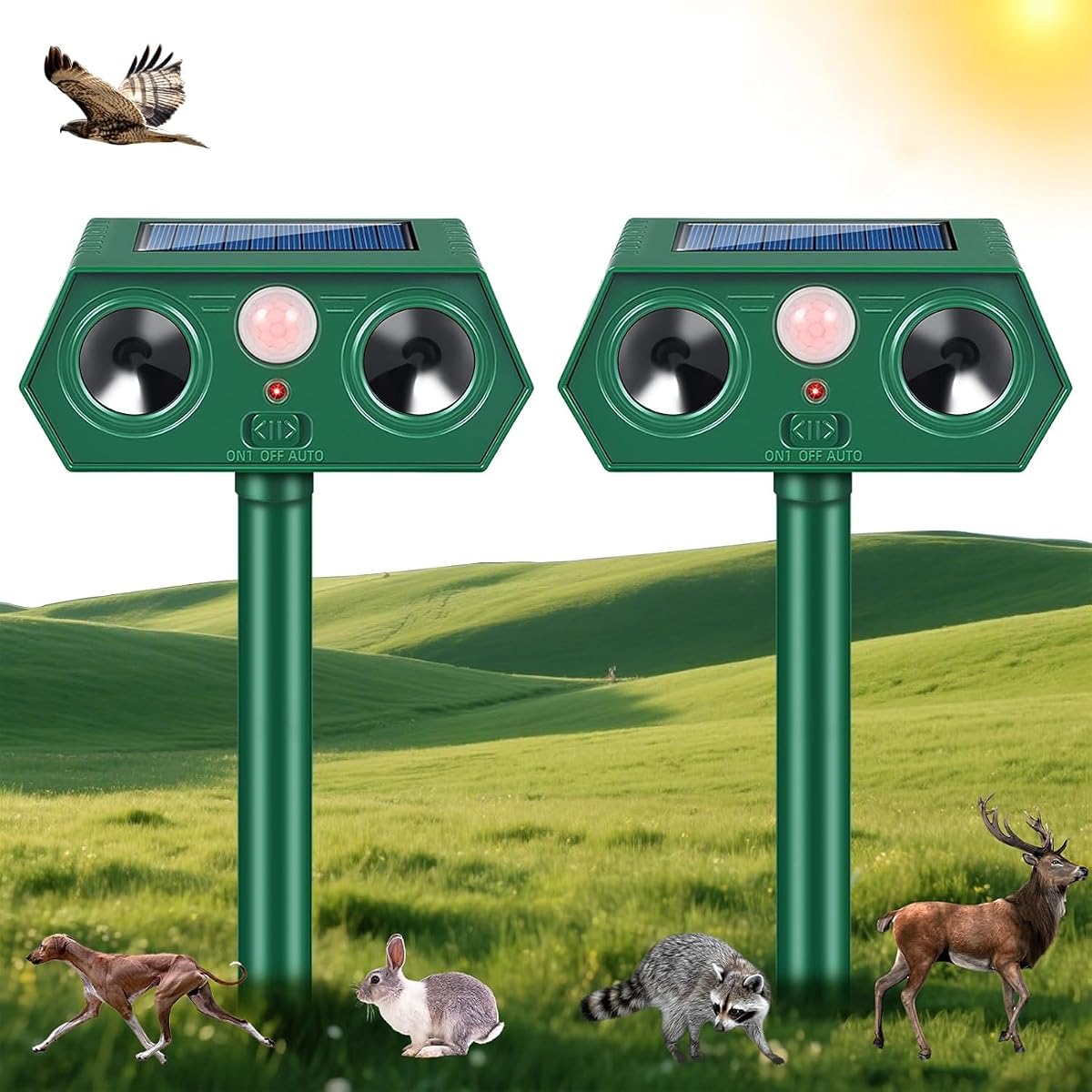
Solar-powered ultrasonic repellents like this set of two combine motion detection with weatherproofing to deter cats, foxes, squirrels and pigeons without chemicals. But effectiveness depends on placement, sensitivity settings and whether your garden layout suits sound-based deterrence.
Key Considerations Before Buying
- Motion detection range and trigger sensitivity matter most: units that activate too readily will fire constantly and drain the battery, while sluggish triggers let animals pass before the alarm sounds. Check the stated detection distance and whether sensitivity is adjustable.
- Ultrasonic sound is directional and attenuates quickly, so two units cover a limited area; map your garden's entry points and plan to angle units toward fences, gates or known latrine spots rather than scattering them randomly.
- Waterproofing and solar charging are essential in UK conditions: confirm the IP rating and that the solar panel can keep pace with winter light levels, or expect to recharge or replace batteries during darker months.
What Our Analysts Recommend
Prioritise units with adjustable frequency and sensitivity, a clear IP waterproof rating, and a solar panel plus backup charging option. Look for stated detection angles and ranges rather than vague claims, and check whether the product is designed for outdoor year-round use in damp, cloudy British weather.
Pet & Wild Animal Control Market Context
Market Overview
Ultrasonic and motion-activated repellents are a crowded, fast-moving segment of the UK pet and wild animal control market, with many near-identical solar units sold under different brand names. Prices vary widely for what is often similar hardware, so spec sheets and build quality matter more than branding.
Common Issues
Buyers frequently report inconsistent results, with some animals habituating to the sound or ignoring it entirely, and neighbours occasionally noticing high-frequency noise. Battery and solar performance in winter, false triggers from wind or foliage, and water ingress after heavy rain are recurring complaints across the category.
Quality Indicators
Better products specify detection range and angle, offer multiple frequencies or modes, and carry a credible IP rating. Robust mounting hardware, replaceable batteries and clear instructions on positioning and coverage are signs of a more thoughtfully designed unit.
Review Authenticity Insights
Grade B Interpretation
A Grade B with an estimated 10% fake review rate is reasonably solid for this category: most reviews appear genuine, and all are verified purchases, which reduces but does not eliminate the risk of inflated praise. The adjusted rating of 4.40 versus the displayed 4.63 suggests a small but real gap worth noting.
Trust Recommendation
Treat the 4.4 adjusted score as a credible signal of general satisfaction, but weight detailed reviews describing specific garden setups and animal behaviour more heavily than short five-star comments. Look for reviewers who mention long-term use through winter, as durability is where these products most often fall short.
Tips for Reading Reviews
For ultrasonic repellents, focus on reviews that name the animals deterred, the size of the garden and how units were positioned, since results are highly context-dependent. Be sceptical of reviews that read as generic product descriptions, and check whether negative reviews mention hardware faults versus simply ineffective deterrence.
Expert Perspective
This two-unit solar ultrasonic set sits in the mainstream of UK garden cat deterrents: motion-triggered, weatherproofed and marketed for multiple species. The 4.4 adjusted rating from a largely verified review base suggests it performs acceptably for many buyers, though the modest gap from the headline score hints at some mixed experiences. As with most ultrasonic devices, success will hinge on correct placement and realistic expectations rather than the unit alone.
Purchase Considerations
Weigh your garden layout and the specific animals you need to deter: ultrasonic sound works best as a boundary deterrent at entry points, not as a cure-all for an established cat latrine. Consider whether you need two units for meaningful coverage and whether winter solar performance in your region will require backup charging.
Comparing Alternatives
Compare detection ranges, IP ratings and frequency options against similar solar ultrasonic repellents before buying, as hardware in this category is often closely matched and small spec differences affect real-world results.


