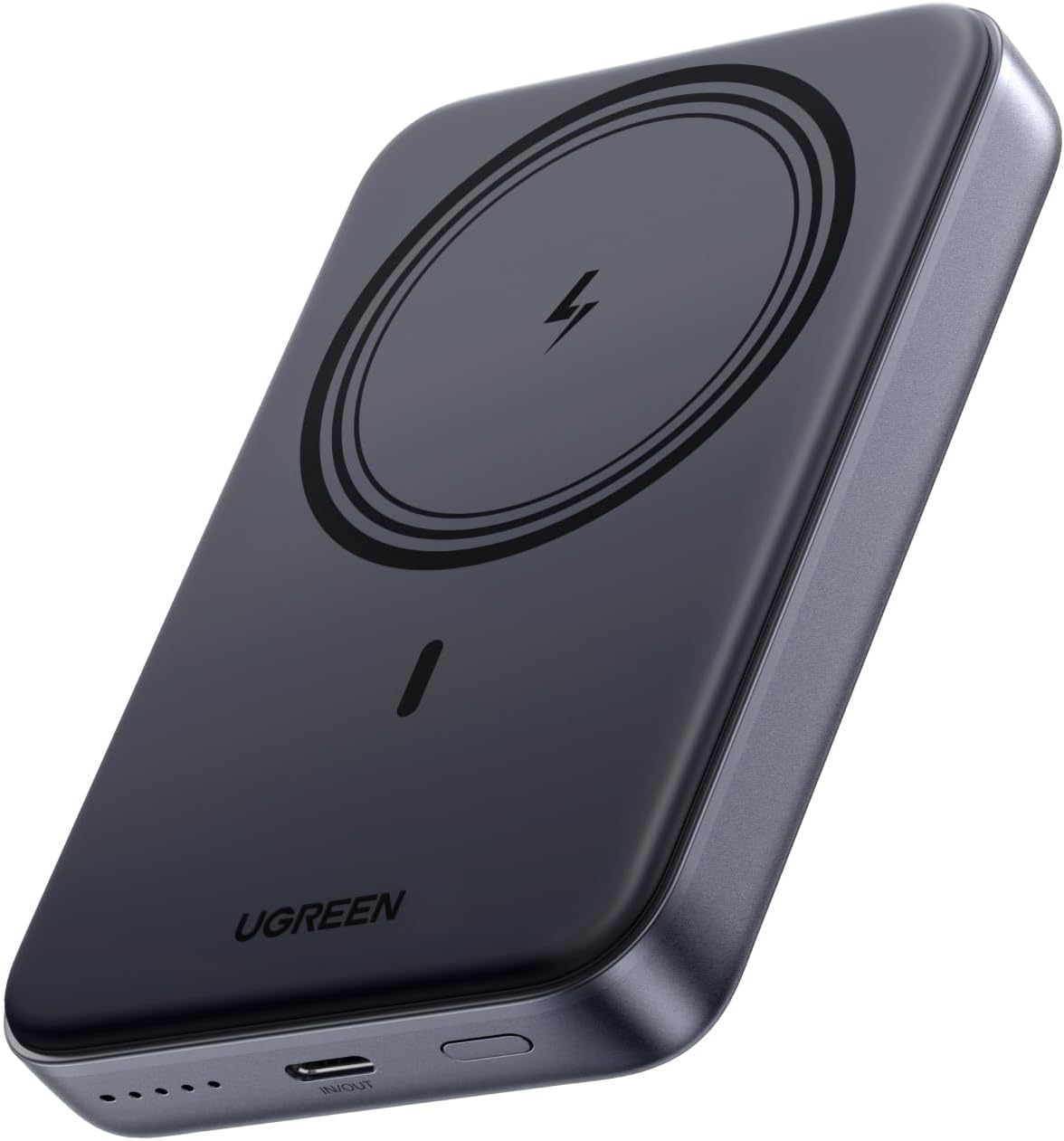
What to Know Before Buying a 20,000mAh Fast-Charging Power Bank
A 20,000mAh power bank like this one promises multiple phone charges and laptop-level output, but real-world performance depends on cell quality, port configuration, and how the advertised 22.5W is delivered. This model adds an LCD display and USB-C PD20W, features that separate it from basic budget packs.
Key Considerations Before Buying
- Check the output per port: 22.5W is often shared across ports, so charging two devices at once may drop each to 10-12W. Confirm the USB-C PD20W port can fast-charge your iPhone or iPad independently.
- Capacity is rated at the cell, not the output: expect roughly 12,000-14,000mAh of usable charge after conversion losses, enough for about 3-4 full iPhone charges rather than the 5-6 the raw number suggests.
- The LCD display shows remaining percentage, which is far more useful than four LED dots, but verify in reviews that it stays accurate at low charge and doesn't drain the battery noticeably when idle.
What Our Analysts Recommend
Look for clear per-port wattage labelling, USB-C Power Delivery certification, and pass-through charging support. A power bank that lists input wattage (e.g., 18W USB-C input) will recharge faster itself, which matters with a 20,000mAh cell that can take 5-7 hours on slower inputs.
Portable Power Banks Market Context
Market Overview
The UK portable power bank market is crowded with 20,000mAh models priced from £15 to £60, and many share near-identical specifications on paper. Differentiation now comes from display quality, port negotiation (PD vs proprietary fast charging), and whether the cells are genuine grade-A lithium-ion or recycled.
Common Issues
Common complaints in this category include inflated capacity claims, power banks that stop fast-charging after a few months, and USB-C ports that charge the device but don't output at full PD wattage. Airline restrictions also matter: 20,000mAh (74Wh) sits under the 100Wh carry-on limit, so this size is flight-friendly.
Quality Indicators
Reliable units carry CE/UKCA marking, list input and output wattage per port, and use USB-IF certified PD controllers. Reviews that mention sustained charging speed after several months are a better quality signal than day-one speed tests.
Review Authenticity Insights
Grade B Interpretation
A Grade B authenticity rating with an estimated 15% fake reviews is mid-range: most feedback is genuine, but a meaningful minority may be incentivised or template-driven. The adjusted rating of 4.30/5 versus the displayed 4.67/5 suggests the suspicious reviews skew positive, so the true satisfaction level is likely closer to 4.3.
Trust Recommendation
Treat the 4.3 adjusted score as the realistic figure and read the 3-star reviews first, as they're less likely to be manipulated. Look for reviewers who mention specific charging times or device models, since those details are hard to fabricate at scale.
Tips for Reading Reviews
For power banks, prioritise reviews that state how many charges they got on a named phone and whether the LCD percentage matched reality. Be sceptical of reviews that only praise the display or packaging without citing charging performance.
Expert Perspective
This power bank sits in the value-to-mid tier: 20,000mAh, 22.5W output, PD20W USB-C, and an LCD display are a sensible feature set for the price. The 4.3 adjusted rating across 702 reviews indicates solid but not exceptional reliability, and the 15% estimated fake review rate means the headline 4.67 should be discounted. The LCD display and USB-C in/out are genuine practical advantages over cheaper LED-dot models.
Purchase Considerations
Weigh whether you need 20,000mAh (roughly 350-400g) or would prefer a lighter 10,000mAh pack for daily carry. Check that the USB-C PD20W output matches your iPhone or iPad's fast-charge requirement, and confirm the warranty length, as cell degradation is the main long-term risk.
Comparing Alternatives
Compare against Anker and INIU 20,000mAh models, which often carry stronger verified review histories and clearer PD certification, before committing.