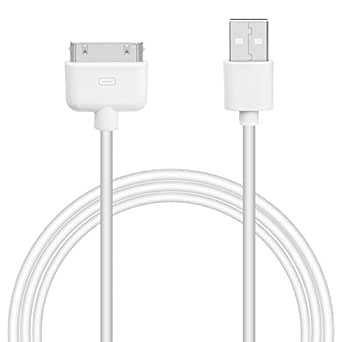
USB-C to Lightning: MFi Certification Matters Most
A USB-C to Lightning cable is the bridge between modern chargers and Apple's Lightning devices, and this 1M MFi-certified option sits in a crowded but quality-sensitive market. Because Lightning is a proprietary connector, certification and build quality vary enormously between brands — and those differences show up in charging speed, durability and iOS compatibility warnings.
Key Considerations Before Buying
- Confirm genuine MFi certification: Apple's Made for iPhone programme requires the C94 connector chip, and uncertified cables can trigger 'This accessory may not be supported' warnings or fail after an iOS update. Look for the MFi logo on packaging and check Apple's public accessory database before buying.
- Match cable length to use case: 1M is ideal for desk, car and bedside charging but short for sofa or bed use where 2M is more practical. Remember that USB-C to Lightning cables only deliver fast charging when paired with a USB-C Power Delivery charger of 18W or higher.
- Check power delivery ratings: this cable should support up to 3A for fast charging and data transfer at USB 2.0 speeds (480Mbps). If you need faster data syncing, Lightning itself caps at USB 2.0 speeds, so don't pay a premium for claimed 'high-speed data'.
What Our Analysts Recommend
Quality indicators include reinforced strain relief at both connector ends, a braided or thick TPE jacket, and a snug Lightning connector that doesn't wobble in the port. Genuine MFi cables also tend to have precise, laser-etched connector housings rather than loose-fitting generic shells.
Lightning Cables Market Context
Market Overview
The Lightning cable market is mature but still significant in the UK, since millions of iPhones (up to the iPhone 14 series) and accessories like AirPods still use Lightning. USB-C to Lightning cables have become the standard pairing for fast charging, and MFi-certified options from reputable brands now sit at competitive price points.
Common Issues
The most frequent complaints in this category are cables failing at the connector junction after a few months, iOS 'accessory not supported' errors from uncertified chips, and slower-than-expected charging when paired with the wrong power adapter. Counterfeit MFi claims are also common on marketplace listings.
Quality Indicators
Look for explicit MFi certification claims backed by a brand name, detailed product listings with power ratings, and reviews that mention long-term durability (6+ months). Cables with reinforced connectors, tangle-resistant jackets and clear warranty terms are safer bets than anonymous budget listings.
Review Authenticity Insights
Grade B Interpretation
A Grade B authenticity rating with an estimated 10% fake review rate means this listing is broadly trustworthy but not pristine — roughly one in ten reviews may be incentivised or exaggerated. The adjusted rating of 4.60/5 (down from 4.89/5) is still strong and suggests genuine buyer satisfaction once suspicious reviews are stripped out.
Trust Recommendation
Treat the 4.60 adjusted score as the realistic figure and weight reviews that mention specific use cases (fast charging with a 20W adapter, durability after months) more heavily than short five-star praise. With 48 reviews the sample is modest, so cross-check the brand's MFi status independently rather than relying solely on listing claims.
Tips for Reading Reviews
Prioritise verified-purchase reviews that describe charging speed, fit in the Lightning port, and longevity, and be wary of clusters of near-identical five-star reviews posted close together. Reviews mentioning iOS compatibility warnings are particularly valuable signals for a Lightning cable.
Expert Perspective
This cable looks like a solid, sensibly priced choice for anyone needing a 1M USB-C to Lightning connection for fast charging an iPhone or iPad. The strong adjusted rating and mostly genuine review profile suggest real-world performance matches the MFi certification claim, though the modest review count and Grade B authenticity mean it isn't a slam-dunk. For a cable in this price bracket, the key question is whether the certification is genuine and the connectors hold up — both of which the review pattern tentatively supports.
Purchase Considerations
Weigh the 1M length against your charging habits, confirm you own a USB-C PD charger to unlock fast charging, and check the seller's returns policy in case of iOS compatibility issues. If you need a cable for heavy daily travel or long-reach bedside use, a 2M braided alternative may serve you better.
Comparing Alternatives
Compare this against established MFi-certified brands like Anker, Belkin and Amazon Basics, which offer similar 1M USB-C to Lightning cables with longer warranties and larger review histories.