
Ultrasonic pest repellers: What actually works for UK homes and gardens
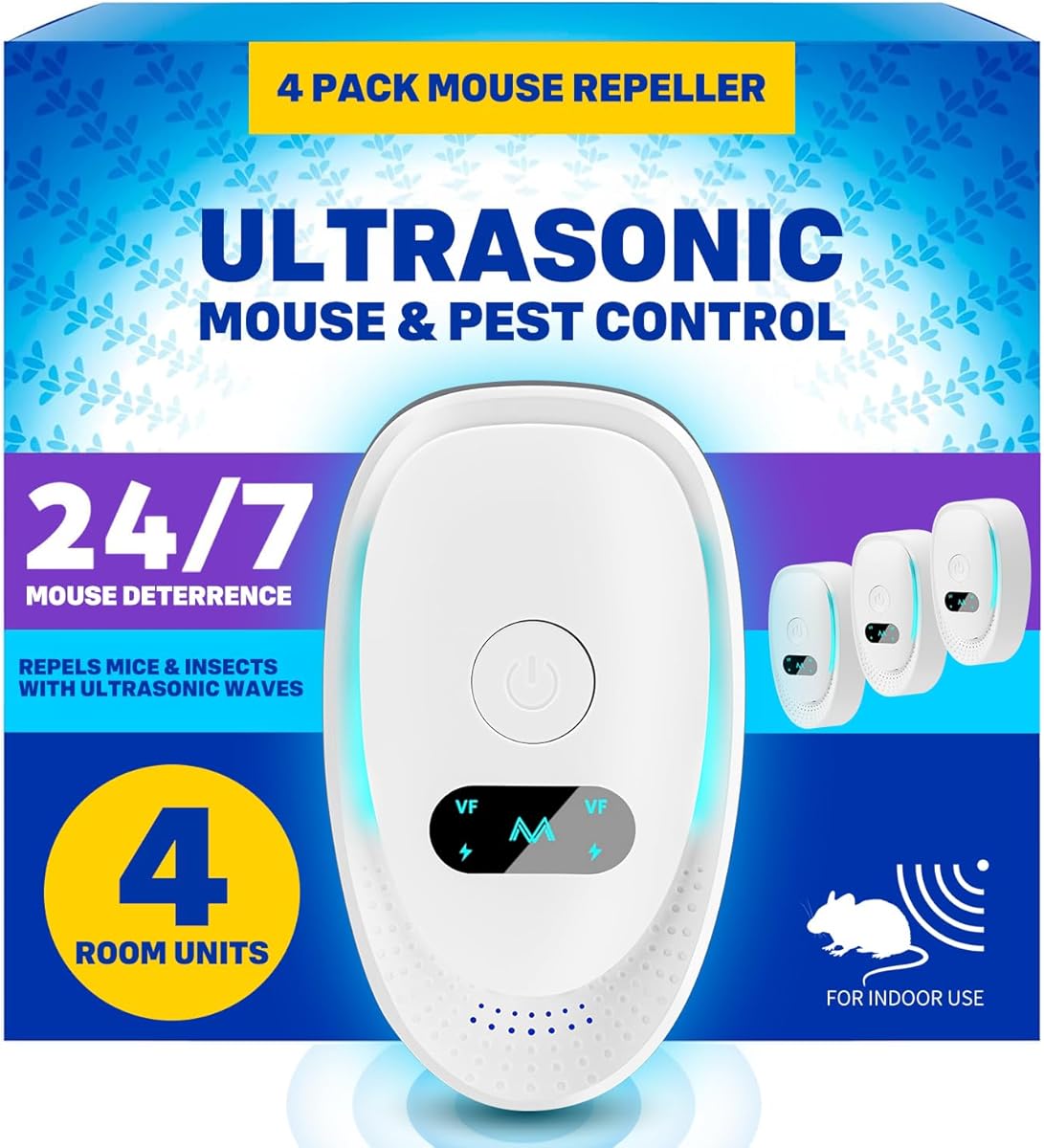
This 4-pack ultrasonic repeller claims to deter mice, rodents, ants, and spiders across multiple rooms, garages, and attics. Unlike chemical solutions, these plug-in devices emit high-frequency sound waves that are inaudible to humans and pets but allegedly uncomfortable for pests. Understanding their specific limitations and proper placement is crucial for realistic expectations.
Key Considerations Before Buying
- Ultrasonic waves cannot penetrate solid objects like furniture or walls, requiring strategic placement in open areas where pests travel.
- Rodents and insects can adapt to constant ultrasonic noise over time, potentially reducing effectiveness after several weeks of continuous use.
- These devices work best as a preventive measure or alongside other control methods, not as a standalone solution for active infestations.
What Our Analysts Recommend
Quality ultrasonic repellers should specify their frequency range (typically 25-65 kHz) and coverage area per unit. Look for devices with variable or alternating frequency patterns to prevent pest habituation. For UK voltage compatibility, ensure the product is rated for 220-240V operation.
Rodent Control Market Context
Market Overview
The UK ultrasonic pest control market is crowded with similar-looking plug-in devices, making differentiation difficult for consumers. Many products make broad claims about repelling multiple pest types, though efficacy varies significantly between rodent species and insects.
Common Issues
Consumers frequently report inconsistent results, often due to incorrect placement or expecting immediate elimination rather than gradual deterrence. Some devices emit audible buzzing or interfere with pet rodents like hamsters and guinea pigs despite 'pet-safe' claims.
Quality Indicators
Superior units feature dual-transducer technology for wider coverage and built-in LED night lights that don't interfere with ultrasonic emissions. Genuine customer reviews mentioning specific UK pest problems (like house mice or garden ants) provide more reliable insights than generic praise.
Review Authenticity Insights
Grade C Interpretation
A Grade C authenticity rating with 22% estimated fake reviews suggests approximately 1 in 5 reviews may be inauthentic. The adjusted rating of 4.40/5 (down from 4.89/5) indicates genuine customer satisfaction is still positive but less stellar than initial appearances.
Trust Recommendation
Focus on verified purchase reviews that describe specific UK scenarios like 'mice in our Victorian terrace' or 'ants in the kitchen.' Be skeptical of reviews using identical phrasing or making absolute claims like 'completely eliminated all pests.'
Tips for Reading Reviews
Prioritise reviews discussing placement strategies for UK home layouts and those noting gradual results over weeks rather than immediate miracles. Look for mentions of using multiple units simultaneously, as this 4-pack is designed for coordinated deployment.
Expert Perspective
This product's genuine review sentiment suggests it provides satisfactory pest deterrence for many UK households when used correctly, though not as a magic bullet. The 4-pack configuration is practical for covering typical British home entry points, garages, and attic spaces simultaneously. However, the authenticity concerns warrant careful review scrutiny, particularly regarding claims about spider and ant control, which are less consistently effective than rodent applications.
Purchase Considerations
Consider whether your pest problem involves actual infestation (requiring professional intervention) or preventive deterrence. These units consume minimal electricity but require permanent outlet access, which may limit placement in UK homes with fewer sockets. Their pet safety claim applies primarily to dogs and cats, not caged rodents.
Comparing Alternatives
Compare coverage area per unit and frequency patterns with similar 4-pack models, as these specifications vary significantly between brands despite similar packaging.


