
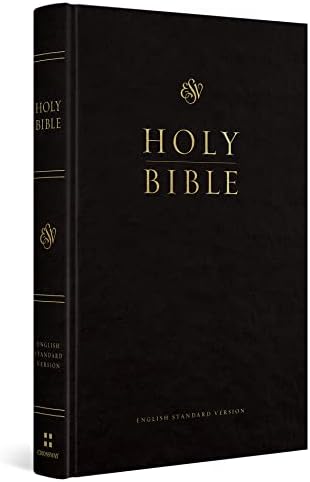
ESV Church Bible: A Durable, Readable Choice for Congregational Use
When selecting a church Bible, you need a volume that balances readability, durability, and accuracy. The ESV Church Bible, with its sturdy hardcover and clear text, is designed for frequent use in pews and personal study, making it a popular choice among UK congregations.
Key Considerations Before Buying
- Consider the text size and layout: The ESV Church Bible typically features a comfortable reading size, but if you have specific visual needs, verify the font size and line spacing before purchase.
- Evaluate the binding and cover: A hardcover edition must withstand regular handling; check for a sewn binding or reinforced spine, which enhances durability compared to glued bindings.
- Think about the intended use: Whether for pew reading, personal devotion, or group study, the ESV's literal translation style suits in-depth study, but if you prefer a more dynamic equivalent, you might explore other translations.
What Our Analysts Recommend
Quality indicators include the clarity of the typesetting (with minimal show-through), the quality of the paper (opacity and weight), and the accuracy of the ESV text itself. Also, assess the book's size and weight—it should be comfortable to hold for extended periods. Check for a presentation page or ribbon markers if those features matter for your specific use.
English Standard Version Market Context
Market Overview
The English Standard Version (ESV) remains a leading translation among evangelical and Reformed communities, prized for its word-for-word accuracy. The market for church Bibles is competitive, with options ranging from economy paperbacks to premium leather editions, but hardcover editions like this one offer a practical middle ground for churches and individuals.
Common Issues
Common issues in this category include overly thin paper that causes text bleed-through, bindings that crack with heavy use, and font sizes that are too small for comfortable reading. Additionally, some users find the ESV's formal language less accessible for casual reading, which is a consideration for those new to Bible study.
Quality Indicators
To identify a quality church Bible, look for features like a sewn binding, high-quality opaque paper, and a clear, well-spaced typeface. The reputation of the publisher (Crossway, in this case) is also a strong indicator, as they are known for consistent quality and adherence to the ESV text. Check for customer photos and detailed reviews that mention the physical characteristics.
Review Authenticity Insights
Grade B Interpretation
The Grade B with an estimated 10% fake review rate suggests that while the overwhelming majority of reviews are genuine, a small fraction may be incentivized or unverified. This is not unusual for a popular product, but it means you should weigh the detailed, balanced reviews more heavily than extremely positive or overly promotional ones.
Trust Recommendation
Given the high adjusted rating of 4.60 and the authenticity grade, you can generally trust the positive feedback. However, for this type of product, it's wise to focus on reviews that mention specific aspects like paper quality, binding durability, and reading experience, as these are more likely to be from real users. Ignore reviews that lack specifics or seem like generic praise.
Tips for Reading Reviews
When reading reviews, look for those that describe the product's physical attributes in detail—such as 'the pages are thick' or 'the cover is sturdy'—as these are often more reliable. Also, be cautious of reviews that mention receiving a discount or that are overly enthusiastic without substantive detail. Cross-reference reviews with the product's description to see if the features align.
Expert Perspective
The ESV Church Bible (Hardcover, Black) is a solid investment for churches and individuals who value accuracy and durability. With a high adjusted rating of 4.60 and a genuine review base, it appears to deliver on its promises of readability and sturdiness. The ESV translation is well-regarded for study, and this edition seems to meet the needs of its audience, as evidenced by the balanced customer feedback.
Purchase Considerations
Before purchasing, consider whether you prefer the ESV's formal equivalence over more readable translations like the NIV. Also, think about the frequency of use—if it's for daily heavy use, you might want to invest in a leather-bound version, but for general church use, this hardcover is likely sufficient. Compare prices across retailers to ensure you're getting a fair deal, especially given the 10% fake review rate.
Comparing Alternatives
Shoppers should compare this with other ESV editions, such as the ESV Pew Bible or the ESV Study Bible, to find the best fit for their needs. Additionally, consider the New King James Version (NKJV) or the Christian Standard Bible (CSB) if you seek a similar accuracy with slightly different readability.


