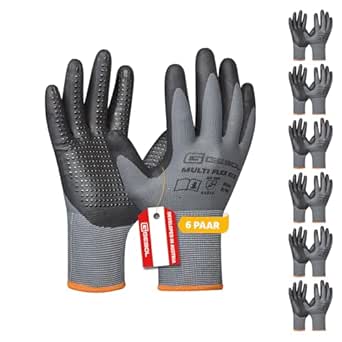
Choosing Level 5 Cut-Resistant Gloves That Actually Fit and Last
The flintronic Cut Resistant Gloves promise Level 5 protection under EN 388, making them suitable for food prep, wood whittling, and general knife work. But not all Level 5 gloves are equal—fit, coating, and certification details matter more than the headline rating.
Key Considerations Before Buying
- EN 388 certification is essential, but check the full score: the '5' in cut resistance (ISO 13997 TDM test) is separate from abrasion, tear, and puncture ratings. A glove with a high cut score but low abrasion resistance may wear out quickly in tough tasks.
- Fit is critical for cut-resistant gloves—too loose and you lose dexterity and control; too tight and you restrict blood flow, which can actually increase injury risk. Look for sizing charts and reviews that mention whether the glove runs small or large.
- Consider the coating: nitrile or polyurethane coatings improve grip in wet or oily conditions (common in food prep), while uncoated gloves offer better breathability for dry woodworking. The flintronic gloves are described as food-grade, so a grippy coating is likely beneficial for kitchen use.
What Our Analysts Recommend
Look for gloves that specify the EN 388 score in full (e.g., 4X43F) rather than just 'Level 5'. Also check for seamless construction to avoid irritation and reinforced thumb crotches—a common wear point. Machine-washability is a plus for food-grade gloves.
Safety Work Gloves Market Context
Market Overview
The cut-resistant glove market has grown beyond industrial use, with homeowners and hobbyists seeking Level 5 protection for kitchen prep, carving, and DIY. Prices vary widely, but certification and material quality (like HPPE or glass fiber blends) drive performance.
Common Issues
Many budget gloves exaggerate cut levels or use stiff materials that sacrifice dexterity. Sizing is inconsistent across brands, and some gloves lose grip when wet, making them hazardous for food prep. False EN 388 claims are also a problem—always verify certification.
Quality Indicators
Genuine EN 388 certification with a published score, seamless knit construction, and a snug but flexible fit are hallmarks of quality. Reviews mentioning durability after repeated washes and real-world tasks (like filleting fish or whittling) are strong signals.
Review Authenticity Insights
Grade A Interpretation
With a Grade A authenticity rating and only 8% estimated fake reviews, the 4.67/5 star rating (adjusted to 4.50) is highly trustworthy. This means the positive feedback likely reflects genuine user satisfaction rather than manipulated reviews.
Trust Recommendation
You can rely on the overall rating, but still read a sample of reviews to understand nuances—like whether the gloves run small or if the coating wears off. The high volume (2,300 reviews) provides a robust picture.
Tips for Reading Reviews
Focus on reviews that mention specific tasks (e.g., 'used for oyster shucking' or 'whittling green wood') and fit details. Look for comments on longevity and washing, as these reveal real-world durability. Ignore generic praise without context.
Expert Perspective
The flintronic Cut Resistant Gloves offer a compelling package: Level 5 protection, food-grade suitability, and a strong authenticity-backed rating. At this price point, they compete well with established safety brands, though the lack of a full EN 388 score in the listing is a minor concern. The 4.50 adjusted rating suggests most users find them effective and comfortable.
Purchase Considerations
Weigh your primary use: for kitchen tasks, ensure the coating provides wet grip; for woodworking, breathability and dexterity may matter more. Check the size chart carefully and consider ordering two sizes if unsure. Also, verify the return policy in case fit is off.
Comparing Alternatives
Compare with gloves from brands like NoCry or Dowellife that publish full EN 388 scores and offer similar price points. Reading side-by-side reviews for specific tasks can help you choose the best fit for your needs.