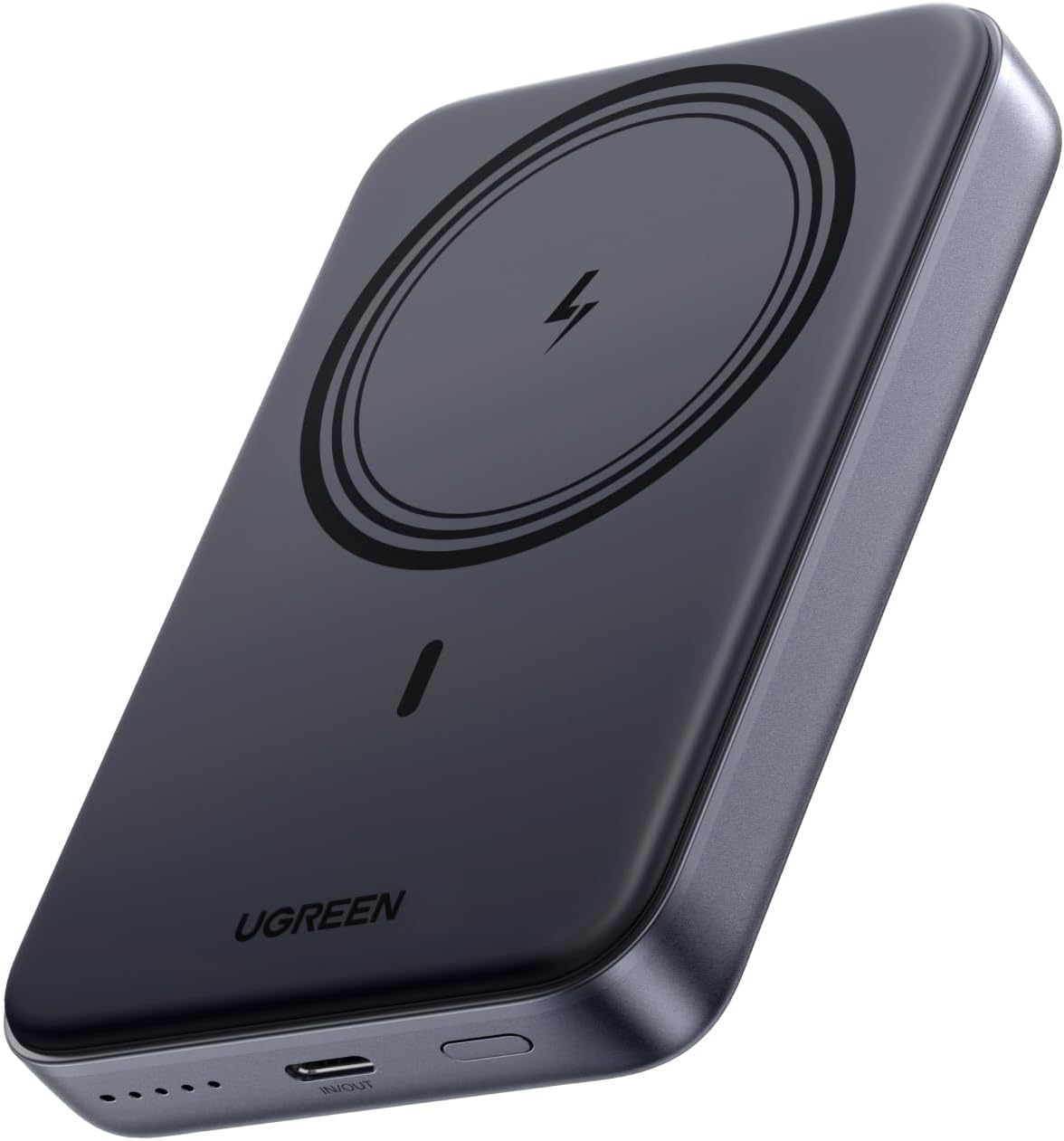
What to Know Before Buying a 60,000mAh High-Capacity Power Bank
A 60,000mAh power bank with 22.5W fast charging and support for five devices at once is a serious piece of kit—roughly 15–20 times the capacity of a typical phone battery. Before you buy, understand that this class of product trades portability and airline-friendliness for multi-day, multi-device endurance.
Key Considerations Before Buying
- Real vs. rated capacity: Many high-mAh power banks overstate capacity, and a 60,000mAh pack typically delivers only 60–70% usable energy after conversion losses—expect roughly 3–4 full smartphone charges per 10,000mAh, not the raw number printed on the shell.
- Airline and travel rules: 60,000mAh at 3.7V is about 222Wh, which exceeds the common 100Wh carry-on limit and even the 160Wh approval threshold on most airlines—this bank is generally not permitted in airplane cabins, so confirm before any trip.
- Charging speed and port sharing: 22.5W output is quick but not top-tier (65W+ exists); when five devices share the ports, per-port wattage drops, so check the port breakdown to know whether your laptop or tablet will actually fast-charge.
What Our Analysts Recommend
Prioritize listings that state cell chemistry (Li-polymer vs. Li-ion), per-port wattage, and pass-through charging support, plus safety certifications such as CE, RoHS, and UN38.3. A built-in digital display showing exact remaining percentage is far more useful than four LED dots at this capacity. Check whether the included cable and adapter match the claimed 22.5W input, since slow recharging is the most common complaint at this size.
Portable Power Banks Market Context
Market Overview
The portable power bank market is saturated with high-capacity claims, and German shoppers face a flood of no-name 50,000–60,000mAh units priced well below established brands. Genuine high-capacity cells are expensive, so unusually low prices often signal inflated mAh figures or recycled cells.
Common Issues
Frequent problems include capacity that falls far short of the label, slow self-discharge, ports that fail after a few months, and vague or missing safety documentation. Bulkier units also suffer from weak housings and unreliable buttons, and some sellers omit the Wh rating needed for travel compliance.
Quality Indicators
Look for transparent technical specs (cell type, Wh rating, input/output per port), recognized safety marks, and a warranty of at least 12–24 months. Reviews that mention measured capacity with a USB tester or real charge counts are the strongest quality signal in this category.
Review Authenticity Insights
Grade B Interpretation
A Grade B authenticity rating with an estimated 15% fake reviews is middling: most feedback appears genuine, but a meaningful minority may be incentivized or inflated. The perfect 5.00 average across 28 reviews is itself a caution flag, since the adjusted 4.60 rating suggests the true customer experience is strong but not flawless.
Trust Recommendation
Treat the 5.00 score as optimistic and plan around the 4.60 adjusted figure—still a solid result for this category. With only 28 reviews, a handful of manipulated entries can swing the average noticeably, so weigh the product on specs and safety documentation as much as on stars.
Tips for Reading Reviews
Focus on reviews that quantify performance—hours to recharge the bank, number of phone charges achieved, or behavior when five devices are connected. Discount short five-star reviews with no usage detail, and pay close attention to any critical reviews describing capacity shortfalls or port failures.
Expert Perspective
On paper, this 60,000mAh, 22.5W five-device power bank targets campers, festival-goers, and households wanting a shared emergency reserve. The adjusted 4.60 rating from a small but largely genuine review base is encouraging, yet the 15% estimated fake-review share means the headline 5.00 should not be taken at face value. The decisive unknowns are real usable capacity and cell safety—both common weak points for high-mAh units from lesser-known sellers.
Purchase Considerations
Buy this only if you need multi-day, multi-device power and accept the weight and the near-certainty that it cannot fly with you. Verify the seller's safety certifications and return policy, and confirm the Wh rating before purchase; if you mainly need pocketable top-ups, a 10,000–20,000mAh bank will serve you better.
Comparing Alternatives
Compare against established-brand 20,000–30,000mAh banks with 30W+ output, which often deliver more reliable real-world capacity per euro and remain flight-legal.