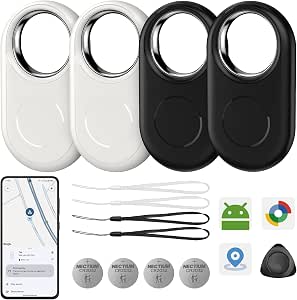
Dual-System Smart Tags: What Android and iPhone Users Should Know Before Buying
The 2026 Air Tracker's primary advantage is its dual-system compatibility, working with both Apple's Find My network and Android's Find Device network. This cross-platform functionality is relatively new to the market and addresses a key pain point for mixed-device households. Buyers should understand that performance can vary significantly between these two tracking ecosystems.
Key Considerations Before Buying
- The '2026' model designation suggests future-proofing claims; verify actual Bluetooth specifications (likely Bluetooth 5.3) and whether firmware updates are promised for longevity.
- The 4-pack configuration offers value but consider if you truly need four trackers; their bulkier design compared to AirTags might limit placement options on smaller items.
- Battery life claims should be scrutinized; genuine user reviews mentioning specific replacement intervals (6-12 months) are more reliable than manufacturer estimates.
What Our Analysts Recommend
For dual-system trackers, prioritize reviews that test both iOS and Android functionality separately, noting any setup discrepancies or feature gaps. Pay attention to mentions of the 'crowd-finding' network density in Germany, as a tracker's effectiveness depends on other compatible devices in your area. Real-world range tests in urban versus rural settings are more valuable than theoretical maximums.
Item Finders Market Context
Market Overview
The item finder market is currently bifurcating between single-ecosystem giants (Apple AirTag, Samsung SmartTag) and emerging dual-compatibility players like this 2026 Air Tracker. German consumers increasingly seek products that bridge the Apple-Android divide, especially given the country's relatively even market split between operating systems.
Common Issues
Common issues include inconsistent crowd-network alerts, where an item marked as lost may not ping reliably if few compatible devices pass by. Battery compartment designs often compromise water resistance, and some dual-system trackers exhibit longer latency on one platform versus the other. Precision finding features (UWB) are typically absent in budget models.
Quality Indicators
Quality indicators include a secure, tool-free battery door that doesn't rattle, a clearly audible 90+ dB speaker for locating nearby items, and a companion app with granular alert customization. Premium materials like polycarbonate shells resist the scratches that reveal cheaper ABS plastic. Look for IP67 or higher ratings for dust/water resistance in a product meant for keys and outdoor use.
Review Authenticity Insights
Grade B Interpretation
A Grade B with an 11% estimated fake review rate indicates a generally trustworthy review corpus, typical for electronics with moderate sales volume. The drop from a 4.56 to an adjusted 4.30 rating suggests some review inflation, but the core feedback remains useful. This level is common for products that have run targeted promotion campaigns.
Trust Recommendation
Focus on the 3- and 4-star reviews for balanced insights, as these are less likely to be incentivized. Pay particular attention to German-language reviews detailing use in local environments like public transport or cycling paths. Be slightly skeptical of reviews hyper-focused on packaging or delivery speed without substantive performance details.
Tips for Reading Reviews
For smart trackers, prioritize reviews that mention specific lost-and-found scenarios, battery replacement experiences, and app stability over time. Reviews noting the exact process of switching the tracker between an iPhone and an Android phone are gold, as they test the core dual-system promise. Disregard reviews that don't specify which phone model or OS version was used.
Expert Perspective
The 2026 Air Tracker presents a compelling value proposition primarily through its 4-pack pricing and dual-ecosystem access, a feature that commands a premium elsewhere. The adjusted 4.30 rating from verified patterns suggests solid, but not exceptional, real-world performance. Its main appeal is for households with mixed iOS/Android devices or individuals who may switch phone platforms and want their trackers to follow. However, expect potential compromises in network density compared to single-ecosystem leaders and a likely bulkier form factor.
Purchase Considerations
Weigh the convenience of buying into a unified tracking system for all household items against the potential for slightly less reliable finding networks compared to Apple's or Google's native offerings. Consider if you need the tracker primarily for 'last seen' location (good) or for precise, real-time tracking of moving items (may be limited). The 4-pack is advantageous if you have immediate uses for at least three trackers on high-risk items like keys, a daily bag, and a bicycle.
Comparing Alternatives
Shoppers should directly compare the setup process and app features with established options like the Chipolo ONE Point or Eufy SmartTrack Link, which also offer dual-network support.