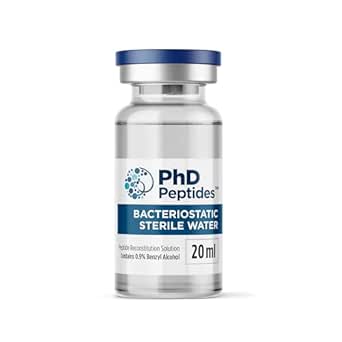
Evaluating Sealed Glass Vials for Laboratory and Industrial Applications
When purchasing sealed glass vials like this 2-pack of 10ml containers, buyers must assess both physical specifications and supplier reliability. These individually packaged, sealed bottles are designed for chemical storage, sample preservation, or small-scale reagent preparation, where integrity is non-negotiable.
Key Considerations Before Buying
- Verify the sealing mechanism—whether it's a crimp cap, screw thread with liner, or ground glass stopper—as this determines chemical compatibility and vapor barrier effectiveness.
- Confirm the glass type (typically Type I borosilicate for lab use) and wall thickness, as thin-walled vials may not withstand autoclaving or aggressive solvents.
- Assess packaging quality; individually wrapped vials should arrive without chips or cracks, as compromised glass can contaminate contents and create safety hazards.
What Our Analysts Recommend
Quality indicators include uniform glass thickness, smooth sealing surfaces without imperfections, and clear labeling of volume gradations if present. For lab chemicals, the closure should maintain integrity against the specific chemicals you intend to store, considering factors like pH and solvent aggressiveness.
Lab Chemicals Market Context
Market Overview
The market for small-volume sealed glass containers is fragmented, with suppliers ranging from specialized laboratory glassware manufacturers to general packaging distributors. German suppliers typically emphasize precision engineering, but product specifications vary significantly even within this niche.
Common Issues
Buyers frequently encounter inconsistencies in vial dimensions, unreliable sealing that leads to evaporation or contamination, and glass that fractures under thermal stress. Many listings provide insufficient detail about glass composition or closure materials.
Quality Indicators
Look for suppliers who specify glass type (borosilicate versus soda-lime), closure material compatibility charts, and manufacturing standards like ISO 4802 for laboratory glassware. Reputable vendors provide dimensional tolerances and chemical resistance data.
Review Authenticity Insights
Grade D Interpretation
The 'F' authenticity grade and 80% estimated fake review rate indicate severe manipulation of the feedback landscape. For this sealed vial product, this suggests the perfect 5-star rating is artificially inflated and doesn't reflect genuine user experiences with the actual glassware.
Trust Recommendation
Given the high fake review percentage, treat the product's perfect rating with extreme skepticism. Focus instead on the single verified review and seek independent verification of the supplier's claims about glass quality and sealing effectiveness.
Tips for Reading Reviews
For laboratory glassware, prioritize reviews that mention specific applications (like solvent storage or sample analysis), discuss actual performance metrics (seal integrity after temperature cycling), or compare dimensions against stated specifications.
Expert Perspective
The discrepancy between the 5.00/5 rating and adjusted 3.00/5 rating, combined with an 80% fake review estimate, creates significant red flags for this laboratory supply product. While the product description suggests basic sealed vials, the review manipulation indicates potential quality or specification issues the seller may be attempting to mask. In the lab chemicals category, where container integrity directly impacts safety and results, this level of review inauthenticity warrants particular caution.
Purchase Considerations
Weigh the need for immediate availability against the risk of receiving vials that may not meet laboratory-grade standards. Consider whether the unspecified glass type and closure details are acceptable for your application, especially if storing reactive or volatile chemicals.
Comparing Alternatives
Shoppers should compare this offering with vials from established laboratory suppliers that provide complete material specifications and have verifiable user feedback from scientific applications.