Choosing a 5-in-1 Water Tester: Accuracy, Calibration, and Real-World Use
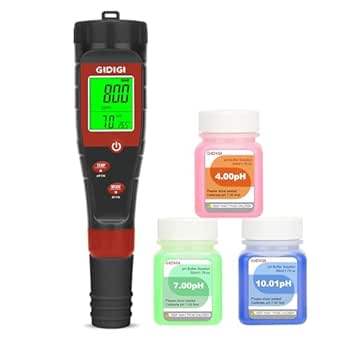
This specific 5-in-1 meter combines pH, TDS, EC, salinity, and temperature measurement, which is ideal for German consumers monitoring drinking water or pool chemistry. Buyers should understand that automatic temperature compensation (ATC) is crucial for accurate pH readings, and the device's multi-parameter design requires proper calibration for each function. The advertised 'Hochpräziser' (high-precision) claim must be evaluated against real-world calibration stability and sensor longevity.
Key Considerations Before Buying
- Calibration protocol is critical: This meter requires regular calibration with pH buffer solutions (typically 4.01, 6.86, 9.18) and a TDS/EC calibration standard; check if calibration powders are included and how often the device drifts.
- Sensor and electrode maintenance: The combined pH/TDS probe needs proper storage in a KCl solution to prevent the glass membrane from drying out, a common failure point for inexpensive multi-parameter testers.
- Application-specific accuracy: While marketed for both drinking water and pools, the required precision differs; pool chemistry demands robust pH readings between 7.2-7.6, while aquarium or hydroponic use needs stable EC measurement.
What Our Analysts Recommend
Genuine quality indicators for this category include clear documentation on measurement resolution (e.g., pH ±0.01, TDS ±2%), the presence of a replaceable electrode, and a clear calibration reminder function on the LCD. For this specific model, scrutinize reviews mentioning the durability of the folding protective cap and the responsiveness of the automatic temperature compensation in varying water conditions.
pH Meters Market Context
Market Overview
The sub-€50 multi-parameter water tester market is crowded, with many devices offering similar 5-in-1 specifications but varying wildly in sensor quality and long-term reliability. German consumers, particularly for Trinkwasser and Pool applications, show high demand for devices that comply with local water quality standards and offer clear, actionable data.
Common Issues
Common problems include pH electrode degradation after 6-12 months without proper storage, inaccurate TDS conversion factors (often a fixed 0.5 or 0.7 multiplier), and LCD displays that fail in humid poolside environments. Many budget meters also suffer from slow stabilization times, making quick checks impractical.
Quality Indicators
Look for products specifying a double-junction pH electrode (better contamination resistance), a clearly stated TDS conversion factor (e.g., NaCl 0.5, 442 0.7), and an IP rating for water resistance. Quality meters will detail their ATC range (e.g., 0-50°C) and include calibration certificates for the buffers.
Review Authenticity Insights
Grade B Interpretation
A Grade B with an 11% estimated fake review rate suggests the majority of feedback is authentic, but a notable portion requires scrutiny. For this technical product, fake reviews often lack specific calibration details or long-term performance reports, instead using vague praise about 'accuracy'.
Trust Recommendation
Prioritize reviews from verified purchases in Germany that discuss using the meter for specific applications like pool maintenance, aquarium keeping, or checking tap water hardness. Be skeptical of reviews that don't mention calibration or that claim perfect accuracy out of the box without testing against known standards.
Tips for Reading Reviews
Focus on reviews that mention technical specifics like 'calibrated with JBL buffer,' 'compared with my Hanna meter,' or 'EC reading stabilized after 30 seconds.' German-language reviews often provide more detailed usage scenarios for Trinkwasser and Gartenpool applications, which are highly relevant.
Expert Perspective
The adjusted rating of 4.20/5 from authentic reviews indicates this is a competent performer in its price segment, likely satisfying users needing periodic checks rather than laboratory-grade precision. The 5-in-1 functionality is its main draw, but expertise suggests the TDS and salinity readings are derived calculations from the EC sensor, not independent measurements. The ATC feature is non-negotiable for reliable pH, and its inclusion is a positive sign. The high number of reviews (711) with sustained ratings suggests consistent manufacturing, though long-term electrode life remains the key variable.
Purchase Considerations
Weigh the convenience of multiple parameters against the need for more frequent calibration and probe maintenance. If your primary need is stable pH for a pool, a dedicated, more robust pH meter might be preferable. However, for comprehensive water profiling—checking drinking water pH, general hardness (via TDS), and pool salinity—this integrated device offers notable utility.
Comparing Alternatives
Shoppers should compare calibration requirements, electrode replacement cost, and warranty terms against similar 5-in-1 models from brands like HM Digital or Apera, noting that price often correlates with sensor quality and longevity.