
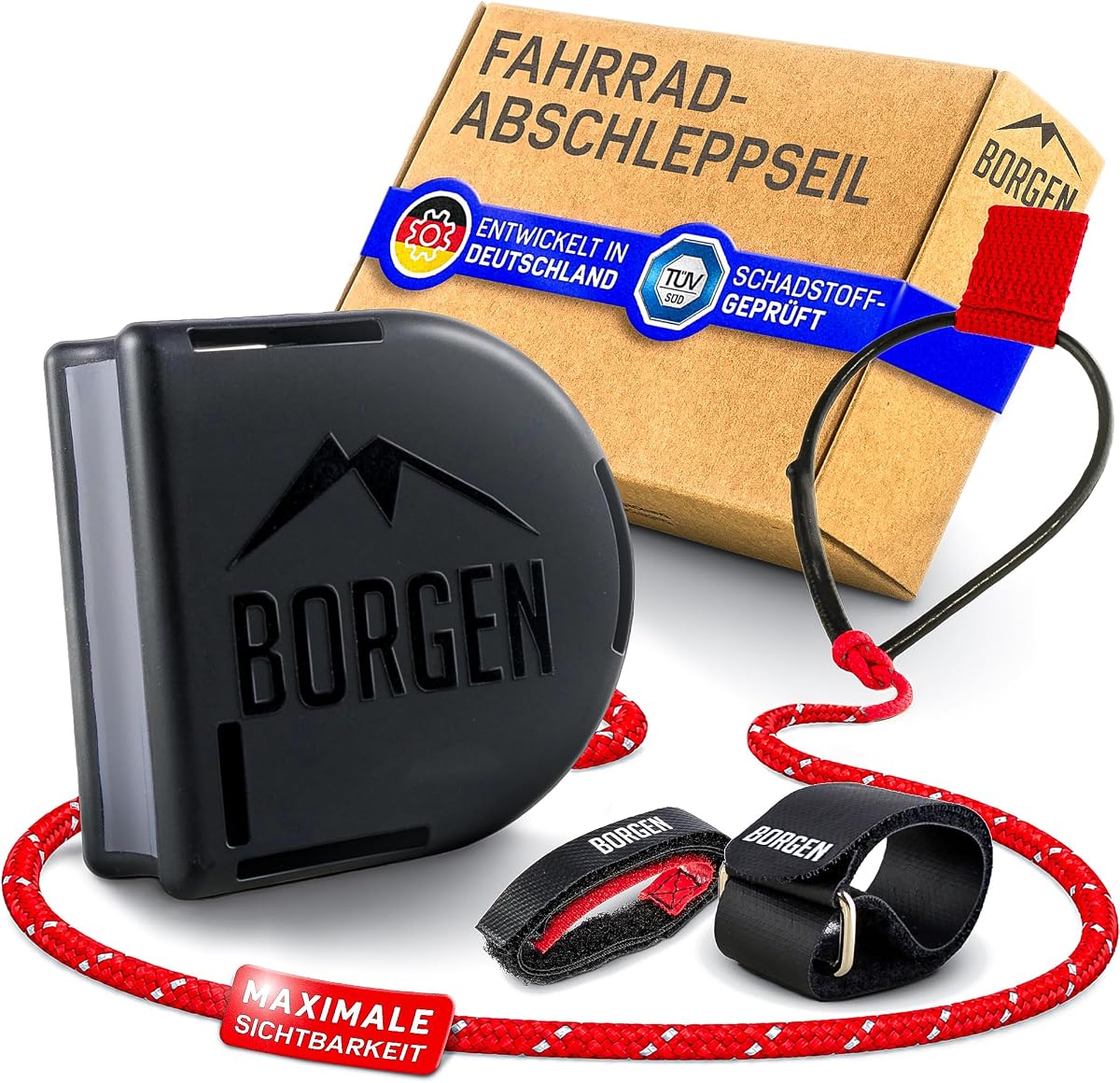
Towing Rope for Kids' Bikes: Safety, Length, and Load Capacity Matter
A tow rope like the Borgen Fahrrad Abschleppseil, rated for up to 120 kg, can turn a tired child's ride into a stress-free family outing—but only if it's chosen and used correctly. This guide covers the key factors that separate a safe, durable tow system from a frustrating one.
Key Considerations Before Buying
- Check the attachment system: a secure, quick-release connection to the child's bike stem or seat post is critical. Look for metal hardware rather than plastic clips, which can fail under load.
- Match the rope length to your riding style: too short and the child feels every pedal stroke; too long and the rope can sag or snag. Adjustable lengths (typically 1.5–2.5 m) offer flexibility for different bikes and riders.
- Consider the elastic or non-elastic design: elastic ropes absorb jerks and provide smoother towing, while non-elastic ropes give more direct control but transmit sudden movements. For beginners, elastic is often more forgiving.
What Our Analysts Recommend
High-visibility materials, reflective stitching, and a bright color improve safety in low light. Reinforced stitching at attachment points and a stated load capacity (like 120 kg) indicate a product built for real-world use. Also check for a storage bag or strap to keep the rope tidy when not in use.
Kinderfahrradzubehör Market Context
Market Overview
The Kinderfahrradzubehör market is flooded with low-cost tow ropes, many of which lack proper safety testing or clear load ratings. Parents increasingly seek reliable solutions for family rides, but regulation is minimal, so quality varies widely.
Common Issues
Common complaints include ropes that snap at the attachment point, clips that detach mid-ride, and materials that fray after a few uses. Another frequent issue is poor visibility—dark ropes are hard for other road users to see, increasing accident risk.
Quality Indicators
Look for products with a specified maximum load (e.g., 120 kg), metal carabiners or heavy-duty hooks, and UV-resistant rope materials. Brands that provide clear usage instructions and safety warnings are generally more trustworthy.
Review Authenticity Insights
Grade B Interpretation
A Grade B authenticity rating with an estimated 10% fake review rate means most reviews are genuine, but a small portion may be incentivized or exaggerated. The adjusted rating of 4.20/5 (down from 4.44) suggests that while overall sentiment is positive, some glowing reviews should be taken with a grain of salt.
Trust Recommendation
Focus on reviews that mention specific use cases—like towing a 6-year-old on a 20-inch bike—and those that note both pros and cons. Verified purchases are a good sign, but cross-reference with the adjusted rating to get a realistic picture.
Tips for Reading Reviews
Pay attention to reviews that describe long-term durability or failure points, as these are harder to fake. Look for mentions of attachment compatibility with common kids' bike designs, and be wary of reviews that only praise without any detail.
Expert Perspective
The Borgen tow rope appears to be a solid mid-range option with a stated 120 kg load capacity, which is more than adequate for towing a child or even an adult on a second bike. Its 4.20/5 adjusted rating indicates generally satisfied customers, though the presence of some potentially fake reviews means you should weigh the feedback carefully. The product's success likely hinges on its attachment system and rope elasticity—details that aren't fully clear from the listing but are crucial for safe towing.
Purchase Considerations
Before buying, verify that the attachment method fits your child's bike (e.g., stem or seat post diameter) and that the rope length suits your typical riding environment. If you often ride on busy roads, prioritize visibility features like bright colors and reflectors.
Comparing Alternatives
Compare with tow bars or rigid tow systems if you need more stability, and check for ropes with adjustable length and metal hardware as a minimum standard.


