Choosing a Geiger Counter: What Matters Before You Buy
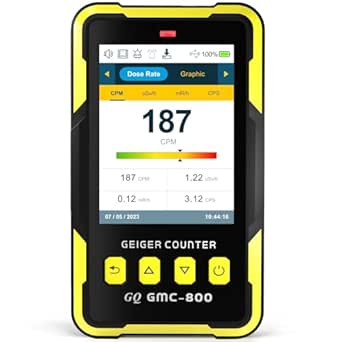
This portable Geiger counter combines a rechargeable battery, LCD display, and five switchable dose units (likely including µSv/h, mSv/h, µGy/h, mGy/h, and CPM) to cover everyday radiation checks. Whether you're monitoring background radiation, checking antiques, or assessing building materials, understanding its detection limits and calibration is key.
Key Considerations Before Buying
- Check the detector type and sensitivity: a Geiger-Müller tube detects beta, gamma, and X-rays but may have limited alpha sensitivity; ensure the specs match the radiation types you need to measure.
- Verify the dose rate range and accuracy claims: look for a stated measurement range (e.g., 0.01–1000 µSv/h) and whether the device is factory-calibrated or offers user calibration, since uncalibrated units can mislead.
- Consider usability features like the rechargeable battery, backlit LCD, and audible alarm; these affect how practical the device is for field use and quick readings.
What Our Analysts Recommend
Prioritize devices with a clear, responsive display and a documented measurement range that covers your expected exposure levels. A sturdy housing and a reputable sensor brand (e.g., LND or similar) are good signs of quality. Also check that the five dose units are logically selectable and that the manual explains each mode.
Inspection & Analysis Market Context
Market Overview
The consumer radiation detector market has grown as awareness of radon, food safety, and legacy nuclear incidents increases. Many affordable handheld units now offer rechargeable batteries and multi-unit displays, but performance varies widely between professional-grade instruments and budget imports.
Common Issues
A frequent problem is overly optimistic sensitivity claims—some low-cost devices struggle to detect low-level background radiation accurately or have slow response times. Another issue is confusing unit conversions; users may misread µSv/h versus mSv/h or CPM without proper guidance.
Quality Indicators
Look for transparent specifications: tube model, measurement range, energy response, and calibration details. Devices with a solid warranty and clear customer support in German are more likely to meet expectations. Reviews that mention consistent readings against known sources are a positive signal.
Review Authenticity Insights
Grade B Interpretation
A Grade B authenticity rating with an estimated 10% fake review rate means most reviews are genuine, but a small portion may be incentivized or exaggerated. The adjusted rating of 4.60/5 (down from 4.83) still indicates strong overall satisfaction among verified buyers.
Trust Recommendation
Trust the general sentiment but be cautious of reviews that lack specifics or repeat marketing language. Focus on detailed reviews that mention actual measurement scenarios, battery life, or comparison with other devices—these are harder to fake and more useful.
Tips for Reading Reviews
When reading reviews for radiation detectors, prioritize those that describe real-world use (e.g., testing granite, checking luggage after travel) and note any calibration or accuracy comments. Ignore reviews that only praise the packaging or shipping speed without discussing performance.
Expert Perspective
This Geiger counter appears to be a solid entry-level option for consumers wanting a rechargeable, multi-unit radiation detector. The high adjusted rating and detailed reviews suggest it performs adequately for general awareness, though professional users may need higher sensitivity or certified calibration. The five dose units add flexibility but require careful interpretation.
Purchase Considerations
Weigh your intended use: for occasional checks of household items or background levels, this device likely suffices; for precise dosimetry or regulatory compliance, consider a calibrated professional instrument. Also factor in the need for periodic recalibration, which may not be readily available for budget models.
Comparing Alternatives
Compare this model with other rechargeable Geiger counters in the same price range, paying attention to sensor type and user feedback on accuracy. Reading a few in-depth reviews across brands can reveal differences in responsiveness and build quality.