
Choosing a Cervical Traction Pillow: What German Consumers Need to Know
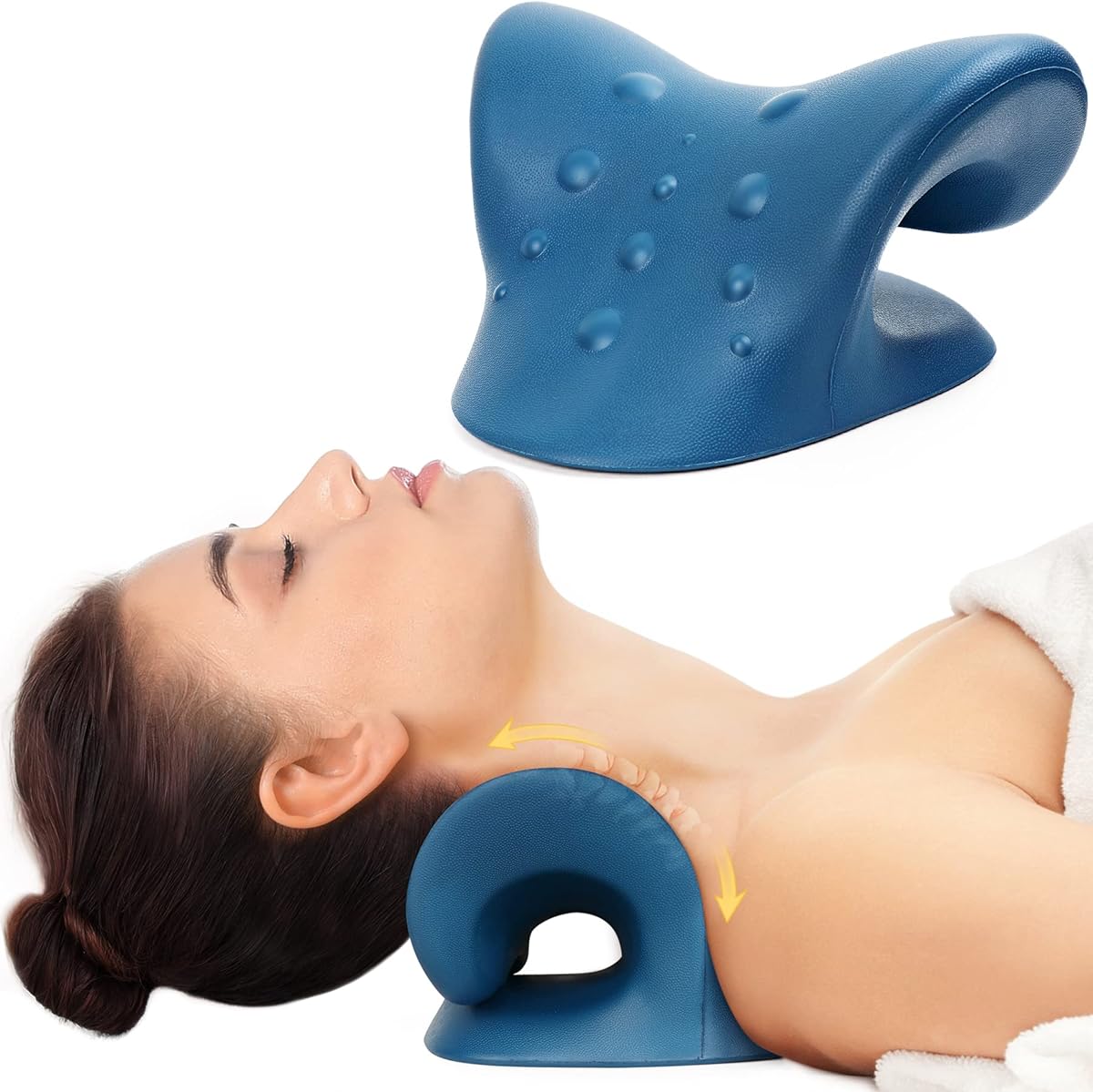
The Cozyhealth Nacken-und Schulter-Relaxer represents a specific category of cervical traction devices designed for home use. Unlike standard pillows, this product employs gentle traction mechanics to decompress cervical vertebrae, requiring proper understanding of its therapeutic intent versus comfort-focused alternatives. German consumers should recognize this as a targeted intervention tool, not a universal sleep accessory.
Key Considerations Before Buying
- Assess your specific cervical issue: This traction pillow targets cervical spine decompression, making it suitable for certain types of neck pain but potentially uncomfortable for those with acute inflammation or specific spinal conditions.
- Evaluate comfort versus therapeutic effect: The curved design with central head cavity creates intentional space for cervical extension, which feels unfamiliar compared to supportive pillows and requires an adaptation period of 5-15 minute sessions.
- Consider your physical dimensions: The product's fixed curvature and firmness level work best for average adult neck structures; individuals with particularly broad shoulders or limited cervical mobility may experience different traction angles.
What Our Analysts Recommend
Quality cervical traction pillows should maintain structural integrity under body weight without collapsing, featuring dense memory foam that slowly rebounds. The dark blue cover on this model should be removable and machine-washable, a practical feature for hygiene maintenance during therapeutic use. Seams should be reinforced at stress points where the head cavity meets the curved support wings.
Traction Equipment Market Context
Market Overview
The German market for cervical traction equipment has expanded significantly, with traction pillows representing the most accessible entry point for home cervical decompression. These products occupy a space between professional chiropractic treatments and passive support pillows, appealing to consumers seeking non-invasive pain management solutions. Market differentiation often focuses on foam density, curvature design, and therapeutic claims rather than comfort features.
Common Issues
Users frequently report initial discomfort as the cervical spine adapts to extension, sometimes misinterpreting this as poor design rather than therapeutic effect. Inconsistent results stem from improper usage duration or positioning, with some consumers expecting overnight use rather than limited therapeutic sessions. Durability concerns typically involve foam losing its resilience or covers developing tears at stress points after regular use.
Quality Indicators
Superior traction pillows maintain consistent curvature under pressure without bottoming out, using high-density memory foam with slow recovery properties. Look for medically-informed design elements like graduated cervical support that follows natural spinal curvature rather than creating extreme angles. Quality construction includes seamless transitions between support zones and covers with four-way stretch to accommodate the pillow's distinctive shape during use.
Review Authenticity Insights
Grade B Interpretation
The Grade B authenticity rating with 15% estimated fake reviews indicates predominantly genuine feedback with some manipulation. For this specific traction pillow, the adjusted 4.00/5 rating (down from 4.33/5) suggests authentic user experiences cluster around the 4-star range, while inflated 5-star reviews artificially boosted the overall score. The verified purchase status of all reviews significantly enhances credibility compared to non-verified platforms.
Trust Recommendation
Focus on detailed 3- and 4-star reviews that describe specific usage experiences rather than vague 5-star praise. Given the 15% fake review rate, be particularly skeptical of reviews emphasizing dramatic pain relief without mentioning adaptation periods or those containing repetitive marketing language about 'chiropractic benefits.' The natural rating distribution suggests authentic users experience varied results based on individual cervical conditions.
Tips for Reading Reviews
Prioritize German-language reviews that mention specific conditions like 'Nackenverspannungen' or 'HWS-Syndrom' for relevant insights. Look for reviews discussing usage protocols (session duration, frequency) rather than just overall satisfaction. Pay attention to reviews mentioning the dark blue cover's practicality or the pillow's firmness level, as these specific details typically indicate genuine experience rather than scripted feedback.
Expert Perspective
The Cozyhealth traction pillow demonstrates market viability with its 4.00 adjusted rating from authentic reviews, indicating generally positive user experiences within the cervical traction category. Its specific design for cervical extension rather than general support makes it a targeted tool rather than universal solution. The product's appeal lies in bridging professional traction concepts with home accessibility, though expectations should align with its limitations as a mechanical rather than therapeutic device. German consumers appear responsive to its value proposition based on review volume and distribution patterns.
Purchase Considerations
Weigh your willingness to follow recommended usage protocols (short sessions rather than all-night use) against expectations for immediate comfort. Consider whether your cervical issues stem from compression that would benefit from gentle traction versus muscular tension requiring different interventions. Factor in the adaptation period required for cervical structures to adjust to extension, which authentic reviews suggest takes consistent use over 1-2 weeks.
Comparing Alternatives
Compare this product's specific curvature and foam density against other cervical traction pillows, as subtle design differences significantly affect traction angles and pressure distribution.


