
How to Choose a Cervical Traction Pillow That Actually Aligns Your Spine
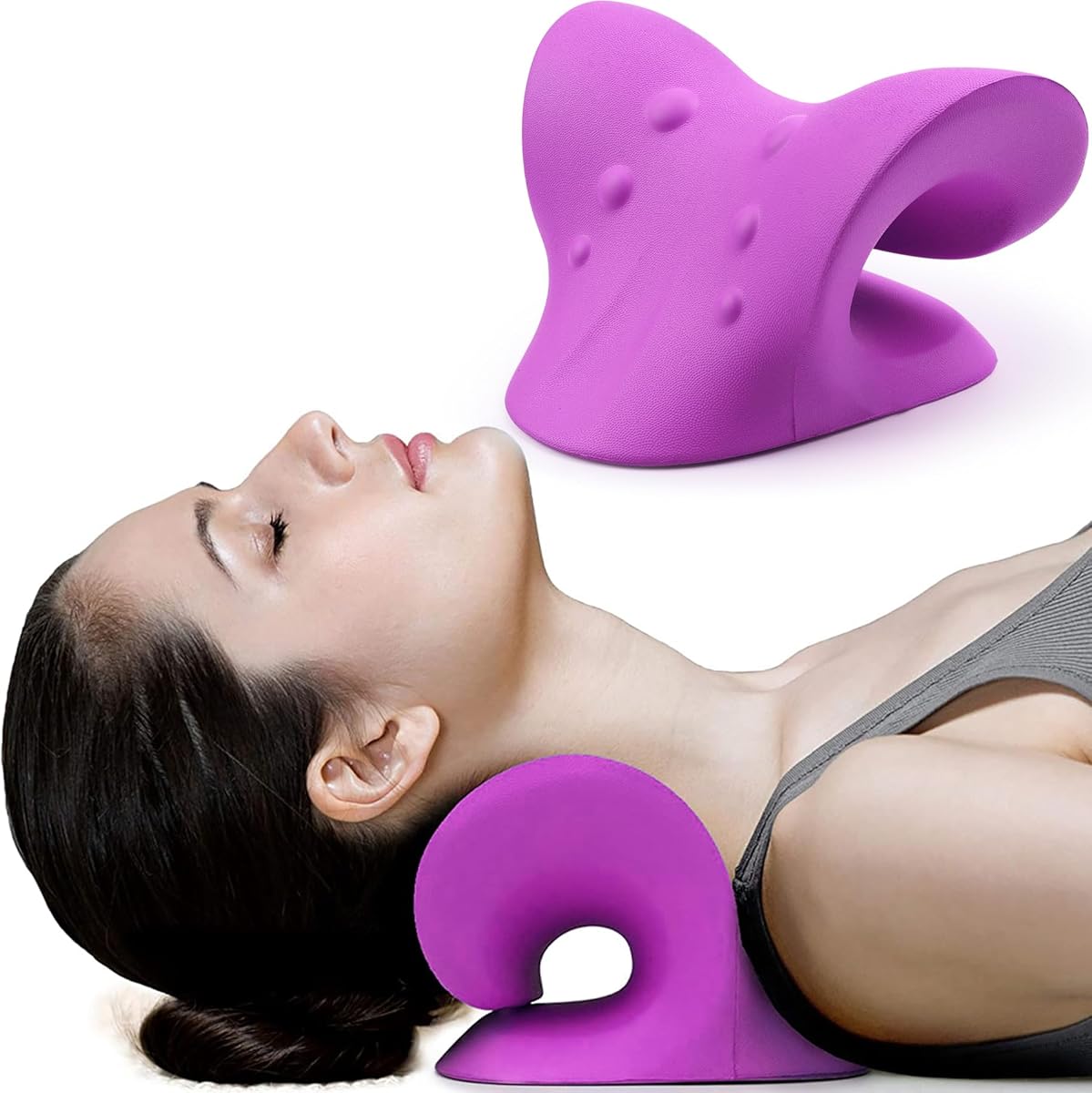
This specific neck relaxation device combines passive traction with ergonomic support, targeting both the cervical spine and temporomandibular joint (TMJ). Unlike generic pillows, it's designed as a therapeutic aid that applies gentle stretching force to decompress vertebrae and relieve muscular tension in the upper back and jaw area.
Key Considerations Before Buying
- Assess whether you need targeted TMJ relief alongside cervical issues—this device's dual-purpose design addresses both, which generic neck pillows typically don't.
- Consider your pain tolerance for cervical traction; this product provides passive stretching that some users find intense initially but beneficial with consistent use.
- Evaluate your sleeping position compatibility—this purple traction pillow requires specific head placement that may not suit all sleepers, particularly strict side-sleepers.
What Our Analysts Recommend
For cervical traction devices, examine the curvature design—it should follow natural cervical lordosis without creating pressure points. Quality indicators include firm yet moldable memory foam density (typically 4-5 lbs/cubic foot) and a removable, breathable cover for hygiene maintenance with therapeutic products.
Traction Equipment Market Context
Market Overview
The cervical traction equipment market has expanded beyond clinical devices to consumer-grade products like this pillow, which bridges therapeutic and comfort applications. German consumers in particular show strong demand for ergonomic health aids that support spinal alignment without professional intervention.
Common Issues
Many traction pillows fail to maintain proper cervical curve support throughout the night, losing therapeutic benefit. Others use foam that's either too firm (causing discomfort) or too soft (providing inadequate traction), while some poorly designed products can actually exacerbate neck pain through improper angle support.
Quality Indicators
Superior cervical traction devices feature graduated firmness zones—softer for head cradle, firmer for neck support—and maintain their structural integrity despite body heat compression. Look for products specifying medical-grade foam and anatomical design validation, though beware of unsubstantiated 'chiropractic' claims without clinical backing.
Review Authenticity Insights
Grade B Interpretation
A Grade B with 15% estimated fake reviews indicates generally reliable feedback with moderate manipulation concerns. For this traction pillow, the authenticity score suggests genuine users are experiencing real benefits, but some reviews may exaggerate therapeutic outcomes beyond typical cervical traction results.
Trust Recommendation
Focus on verified purchase reviews discussing specific conditions like cervical spondylosis or TMJ dysfunction rather than vague 'pain relief' claims. The adjusted 3.80/5 rating (down from 4.11) better reflects authentic user experience—pay particular attention to mid-range (3-4 star) reviews for balanced perspectives on this device's limitations.
Tips for Reading Reviews
Prioritize reviews mentioning adaptation periods (often 1-2 weeks) and specific sleeping position adjustments, as these reflect genuine usage patterns. Be skeptical of reviews claiming immediate, miraculous cures for chronic conditions—cervical traction typically provides gradual improvement when effective.
Expert Perspective
This purple cervical traction pillow demonstrates strong market acceptance with over 24,000 reviews and maintains respectable authenticity metrics. The gap between raw (4.11) and adjusted (3.80) ratings suggests some review inflation but still indicates solid product performance. Its specific design addressing both cervical alignment and TMJ relief represents a niche application that appears to meet genuine user needs, particularly for those with combined neck and jaw tension. The product's positioning between medical equipment and comfort pillow creates both therapeutic potential and user expectation challenges.
Purchase Considerations
Weigh your need for active cervical traction versus general neck support—this device provides measurable stretching that may be uncomfortable initially but potentially beneficial for specific conditions. Consider whether your primary issue is muscular tension (may respond well) versus disc-related problems (requires professional guidance) before using any traction device independently.
Comparing Alternatives
Compare this product's specific cervical curvature and foam density against other traction pillows, as even minor design variations significantly affect spinal alignment and comfort.


