
Choosing an Adjustable Memory Foam Pillow: What German Shoppers Need to Know
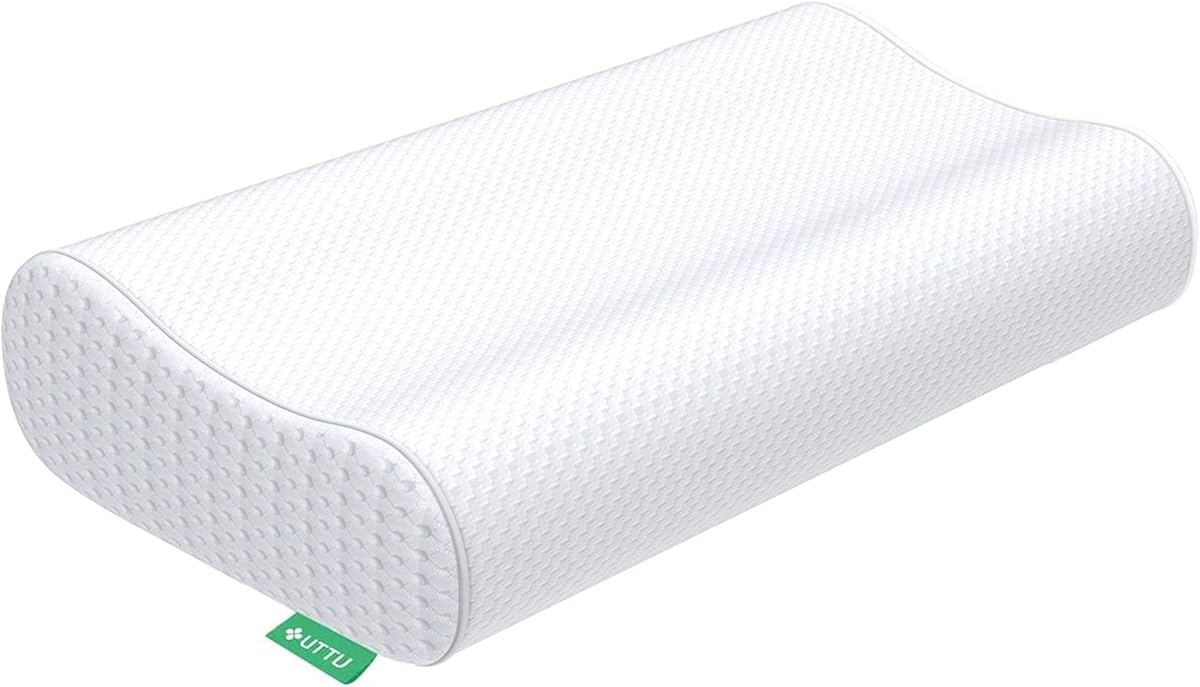
The UTTU Memory Foam Kissen represents a specific subcategory of ergonomic pillows: the adjustable sandwich design with dual-height options (13/11cm). Unlike single-density pillows, this product combines different foam layers to create customizable support. Buyers considering this pillow should understand how its unique construction affects both comfort and therapeutic claims for neck pain relief.
Key Considerations Before Buying
- The 60x36cm dimensions are narrower than standard European pillows (80x80cm), making it better suited for strict back or side sleepers who don't move much, rather than combination sleepers.
- Adjustable sandwich designs require a 1-2 week 'break-in' period where the foam layers settle; initial firmness often decreases by 20-30% during this phase.
- The 28% estimated fake review rate suggests that positive claims about 'immediate pain relief' should be scrutinized against more detailed, verified purchaser experiences mentioning specific conditions like cervical spondylosis or postural issues.
What Our Analysts Recommend
For this pillow type, examine reviews mentioning the foam's recovery time after compression—quality memory foam should slowly return to shape over 3-5 seconds. Also, look for comments about the removable cover's breathability, as sandwich designs can trap heat more than single-layer pillows. Authentic reviews often discuss pillowcase fit, as non-standard 60x36cm dimensions require specific sizes.
Standard Pillows Market Context
Market Overview
The German ergonomic pillow market is saturated with memory foam options, particularly in the 40-80€ range where the UTTU competes. Recent trends show increased consumer demand for adjustable-height pillows, but quality varies significantly between brands using certified viscoelastic foam versus generic polyurethane foams with memory foam labels.
Common Issues
Common complaints with sandwich-design pillows include premature sagging of the middle layer, heat retention exceeding 2-3°C above ambient temperature, and zipper failures on adjustable covers. Many users also report difficulty finding the optimal layer configuration, leading to abandoned purchases within the first month.
Quality Indicators
Superior adjustable pillows feature certified OEKO-TEX or CertiPUR-US foams, clearly labeled density ratings (ideally 45-55kg/m³ for support layers), and dual-zipper systems for layer adjustments. The cover should be machine-washable with mesh panels for airflow, not just polyester blends.
Review Authenticity Insights
Grade C Interpretation
A Grade C authenticity rating with 28% estimated fake reviews indicates significant review manipulation. For this pillow, the discrepancy between the advertised 4.3/5 rating and adjusted 3.4/5 rating suggests inflated positive sentiment, particularly around pain relief claims. This level of manipulation typically targets health-related products where consumers are vulnerable.
Trust Recommendation
Focus on verified purchase reviews from German accounts that mention specific sleeping positions and pillow adjustments. Be skeptical of reviews claiming 'miraculous' overnight pain relief; legitimate ergonomic benefits typically require 2-3 weeks of consistent use with proper alignment.
Tips for Reading Reviews
Prioritize reviews discussing long-term use (3+ months) and layer configuration experiments. Look for photographic evidence of foam structure and detailed descriptions of the adjustment process. Reviews mentioning the 30-day trial period are more credible than generic praise.
Expert Perspective
The UTTU pillow presents a mid-tier ergonomic solution with legitimate design features but questionable marketing practices. The sandwich construction offers genuine customization potential for specific neck support needs, particularly for back sleepers requiring cervical alignment. However, the significant review manipulation (28% fake rate) and C authenticity grade undermine confidence in advertised benefits. The 3.4 adjusted rating better reflects real-world performance, suggesting satisfactory but not exceptional results compared to certified orthopedic pillows.
Purchase Considerations
Consider this pillow if you need adjustable height options and sleep primarily on your back. The 60cm width may feel restrictive for active side sleepers. Weigh the 30-day trial period against the review authenticity concerns—be prepared to thoroughly test different layer configurations during the return window. The foam density (unstated in listings) likely falls in the medium range, offering compromise support rather than firm therapeutic alignment.
Comparing Alternatives
Compare with German brands like Dormiente or Swissflex that provide certified foam specifications and clearer orthopedic testing data, though often at higher price points.


