Choosing Merino Wool Touchscreen Gloves: Fit, Warmth, and Screen Accuracy
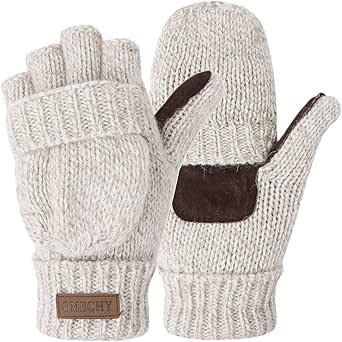
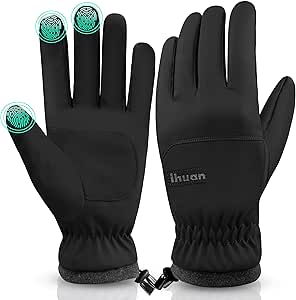
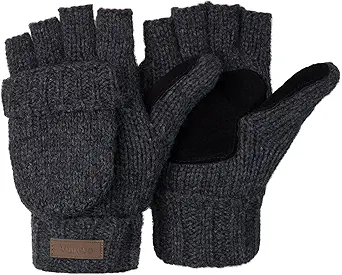
These ultra-soft merino wool winter gloves with touchscreen fingertips are aimed at Canadian commuters who need warmth without bulk. Merino's fine fibers provide insulation while staying breathable, but the touchscreen coating and knit density are what determine real-world performance. Understanding how merino behaves in wet, cold conditions helps you decide if these gloves suit your daily routine.
Key Considerations Before Buying
- Touchscreen fingertip accuracy varies widely with knit thickness—thicker merino knits can blunt touch response, so look for reviews that mention texting or map use in cold weather.
- Fit matters more than size charts: merino stretches with wear, so a snug initial fit often becomes the right fit after a few outings, while a loose fit compromises dexterity and warmth.
- Wind and moisture are merino's weak points—these gloves are warm in dry cold but need a windproof shell or liner for gusty days or wet snow, which matters for Canadian winters.
What Our Analysts Recommend
Check for reinforced seams at the thumb and fingertips, since these are the first failure points on knit gloves. Look for merino content listed as a percentage (higher is warmer but less durable) and any mention of a brushed interior for extra loft. Touchscreen-compatible yarn should be specified at the fingertips, not the whole glove, to avoid unnecessary conductivity loss.
Cold Weather Gloves Market Context
Market Overview
The cold weather gloves market is split between technical synthetics, leather shells, and natural-fiber knits like merino. Merino wool gloves have grown in popularity as consumers seek breathable, odor-resistant alternatives to fleece and acrylic, especially for urban commuting rather than extreme outdoor sports. Touchscreen compatibility has become a baseline expectation in this segment, though implementation quality varies significantly.
Common Issues
A frequent complaint with merino gloves is pilling and thinning at high-friction areas like the palms and fingertips after a season of use. Touchscreen performance often degrades as the conductive yarn wears or the knit stretches. Sizing inconsistency is another common issue, since knit gloves lack the structured fit of sewn gloves and can vary between batches.
Quality Indicators
Higher merino percentages (often 80-100%) signal better warmth-to-weight and odor resistance, while blends with nylon or elastane improve durability and shape retention. Dense, tight knitting indicates better wind resistance than loose, open knits. Flat-lock seams and reinforced touchscreen tips are markers of construction care that separate durable gloves from disposable ones.
Review Authenticity Insights
Grade B Interpretation
A Grade B authenticity rating with an estimated 15% fake review rate means most reviews are genuine, but a meaningful minority may be incentivized or promotional. The adjusted rating of 4.40/5 versus the displayed 4.78/5 suggests the genuine sentiment is still strongly positive, just slightly less effusive than the headline score implies. For a knit glove in this price range, that gap is modest and not a red flag on its own.
Trust Recommendation
Trust the adjusted 4.40 rating as a more realistic signal of buyer satisfaction, and weight reviews that mention specific use cases—commuting, dog walking, phone use in cold—more heavily than short five-star praise. With 73 reviews, the sample is small enough that a handful of promotional reviews can shift the average, so read a spread of ratings rather than just the top ones.
Tips for Reading Reviews
Look for reviews that mention how the gloves performed after weeks of wear, since durability is the most common failure point for merino knits. Pay attention to comments about touchscreen accuracy and sizing relative to stated measurements, as these reveal whether the product matches its marketing claims. Reviews that describe a specific climate or activity are more reliable indicators than generic warmth praise.
Expert Perspective
These merino wool touchscreen gloves occupy a sensible middle ground for urban winter wear: warm enough for typical Canadian cold snaps, breathable enough for active commuting, and priced for everyday use rather than expedition gear. The adjusted 4.40 rating from 73 reviews suggests solid but not exceptional satisfaction, consistent with the known trade-offs of knit merino gloves—comfort and breathability at the cost of wind resistance and long-term durability. The 15% estimated fake review rate is a caution rather than a disqualifier, given the specificity of many genuine reviews.
Purchase Considerations
Weigh how you'll use them: for dry-cold commutes and touchscreen-heavy days, merino knits are an excellent fit, but for wet snow, high winds, or heavy manual work, a windproof or leather-shell glove will serve better. Consider whether you need a liner-compatible fit for extreme cold and whether the touchscreen tips are positioned where you actually tap. Durability expectations should be modest—plan for one to two seasons of regular use.
Comparing Alternatives
Shoppers should compare these against other merino blends with higher nylon content for durability, or against touchscreen-capable synthetic gloves if wet-weather performance matters more than breathability.