Choosing a Digital Automotive Test Light: Voltage Range, Wire Length, and Display Clarity
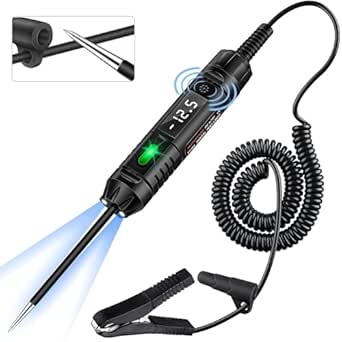
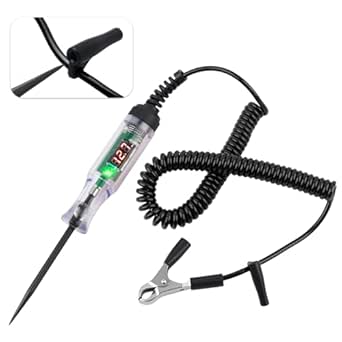
When selecting a digital automotive test light like the JASTIND 3-48V DC model, focus on its specific 3-48V DC range for modern vehicle systems and the practical 140-inch extended spring wire. This tool combines a circuit tester's simplicity with a voltmeter's precision, making it distinct from basic test lights or multimeters.
Key Considerations Before Buying
- Verify the voltage range covers both low-voltage circuits (like sensors) and standard 12V/24V systems, as the JASTIND's 3-48V DC is ideal for cars, trucks, and some marine applications.
- Assess wire length and durability; a 140-inch spring-retractable lead like this one provides reach for engine bay diagnostics while resisting tangles and damage.
- Prioritize a clear LCD display with bidirectional indication, which shows both voltage presence and polarity—critical for troubleshooting modern electronics without causing damage.
What Our Analysts Recommend
Quality indicators include a heavy-duty probe tip for piercing insulation, robust alligator clips that grip terminals securely, and clear overvoltage protection. The JASTIND's design with an extended wire reel and digital readout suggests attention to real-world mechanic needs.
Circuit Testers Market Context
Market Overview
The automotive circuit tester market is split between basic incandescent test lights and digital units with voltage displays. Digital models like this JASTIND are gaining popularity for their diagnostic precision, especially as vehicle electrical systems become more complex with CAN bus networks and sensitive ECUs.
Common Issues
Cheap testers often fail with inaccurate voltage readings, fragile probe tips that break, or short wire leads that limit utility. Some lack proper input protection, risking damage when accidentally connected to AC circuits or voltages beyond their range.
Quality Indicators
Look for products specifying input protection, a wide operating temperature range, and a clear duty cycle. A well-built tester will have strain relief at wire connections, a bright backlit LCD for low-light conditions, and a casing rated for automotive workshop environments.
Review Authenticity Insights
Grade B Interpretation
A Grade B authenticity rating with an estimated 20% fake review percentage suggests generally reliable feedback but warrants careful scrutiny. For this JASTIND tester, it means most reviews are genuine, but some may be artificially positive.
Trust Recommendation
Focus on verified purchase reviews that detail specific use cases, like testing fuses, battery drain, or sensor circuits. Given the 4.50 adjusted rating (down from 5.00), the product likely performs well but may have occasional consistency issues not reflected in inflated reviews.
Tips for Reading Reviews
Seek reviews mentioning long-term durability, accuracy compared to a multimeter, and performance in cold weather—key concerns for automotive tools. Be skeptical of reviews lacking technical details or only praising packaging.
Expert Perspective
The JASTIND tester's combination of a digital voltmeter, 140-inch spring wire, and 3-48V DC range positions it as a versatile tool for DIYers and professionals. The high adjusted rating of 4.50/5 from verified purchases indicates strong user satisfaction, particularly for tasks like fuse box diagnostics, battery voltage checks, and parasitic draw testing. Its bidirectional feature—showing positive or negative voltage—adds value for troubleshooting wiring harnesses and charging systems.
Purchase Considerations
Weigh the extended wire length against your typical use; it's excellent for large vehicles but may be excessive for compact cars. Consider whether you need precise voltage readings (provided by the LCD) or just circuit continuity, as this tool bridges both functions at a potential premium over basic test lights.
Comparing Alternatives
Shoppers should compare this model with similar digital testers from brands like INNOVA or OTC, focusing on voltage accuracy, lead quality, and warranty terms.