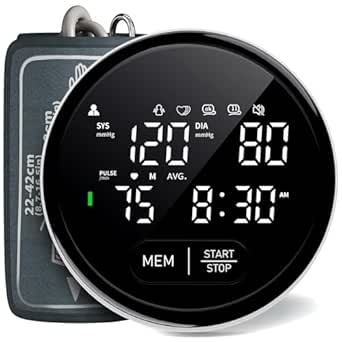
Choosing a Home Blood Pressure Monitor: Key Features for Accurate Readings
When selecting a home blood pressure monitor like this model with a 22-42cm large cuff and 3-color backlit display, accuracy and ease of use are paramount. This specific device offers 198 memory slots, which is substantial for tracking trends, but understanding its clinical validation status is crucial for reliable hypertension management.
Key Considerations Before Buying
- Cuff fit is critical—this model's 22-42cm range accommodates larger arms but may not fit smaller arms properly, potentially compromising accuracy.
- The 3-color backlit display (likely green/yellow/red per WHO guidelines) provides instant visual feedback, but users should understand what each color zone indicates medically.
- With 2x99 memory, this device stores readings for two users, which is useful for couples but lacks advanced connectivity features like Bluetooth found in premium models.
What Our Analysts Recommend
Seek monitors validated by organizations like Hypertension Canada or the British Hypertension Society. Check for clear display visibility in various lighting conditions—this model's backlit screen addresses this. The cuff material should be durable nylon or similar, not thin vinyl that degrades quickly.
Blood Pressure Market Context
Market Overview
The home blood pressure monitor market is saturated with automatic oscillometric devices, with upper arm models generally considered more accurate than wrist units. Canadian consumers increasingly seek clinically validated devices for managing hypertension between doctor visits.
Common Issues
Many affordable monitors lack proper clinical validation, leading to inconsistent readings. Cuff sizing errors cause the most frequent accuracy problems, while poor display visibility frustrates older users. Memory functions often have confusing interfaces that discourage regular tracking.
Quality Indicators
Look for validation seals from recognized medical organizations. Quality monitors use durable air tubing and precise pressure sensors. The best displays show systolic, diastolic, pulse, and date/time simultaneously without scrolling.
Review Authenticity Insights
Grade B Interpretation
A Grade B with 11% estimated fake reviews suggests mostly authentic feedback but warrants careful review scrutiny. The 0.24-point rating drop after adjustment indicates some inflated positive reviews, though the core 4.2 rating remains strong for this category.
Trust Recommendation
Focus on reviews discussing specific use cases like 'compared with doctor's office readings' or 'cuff fit on my 38cm arm.' Verified purchase reviews mentioning long-term use (3+ months) provide the most reliable accuracy assessments for this medical device.
Tips for Reading Reviews
Prioritize reviews that mention calibration against professional equipment. Look for patterns in complaints—if multiple users report inconsistent readings despite proper technique, that's more concerning than isolated setup issues.
Expert Perspective
This monitor presents a solid mid-range option with its large cuff range and substantial memory capacity. The 4.2 adjusted rating from over 4,300 reviews suggests satisfactory performance for most users, though the lack of stated clinical validation is a consideration. The 3-color display provides helpful immediate feedback according to standard hypertension categories, making it user-friendly for those monitoring borderline hypertension.
Purchase Considerations
Measure your upper arm circumference before purchasing—this cuff's 22-42cm range suits larger arms but may not tighten properly on slimmer arms. Consider whether 198 memory slots suffice for your tracking needs or if you require app connectivity for trend analysis. The backlit display is particularly valuable for low-light morning readings when blood pressure typically peaks.
Comparing Alternatives
Compare this device's features against validated models from Omron or LifeSource, particularly regarding clinical accuracy certifications and warranty length.