Choosing an accurate home blood pressure monitor requires attention to cuff fit and validation
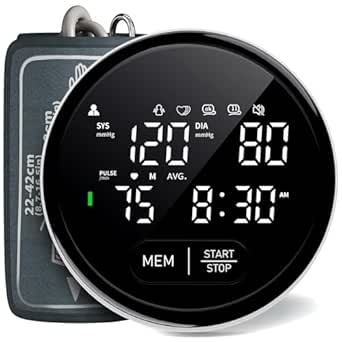
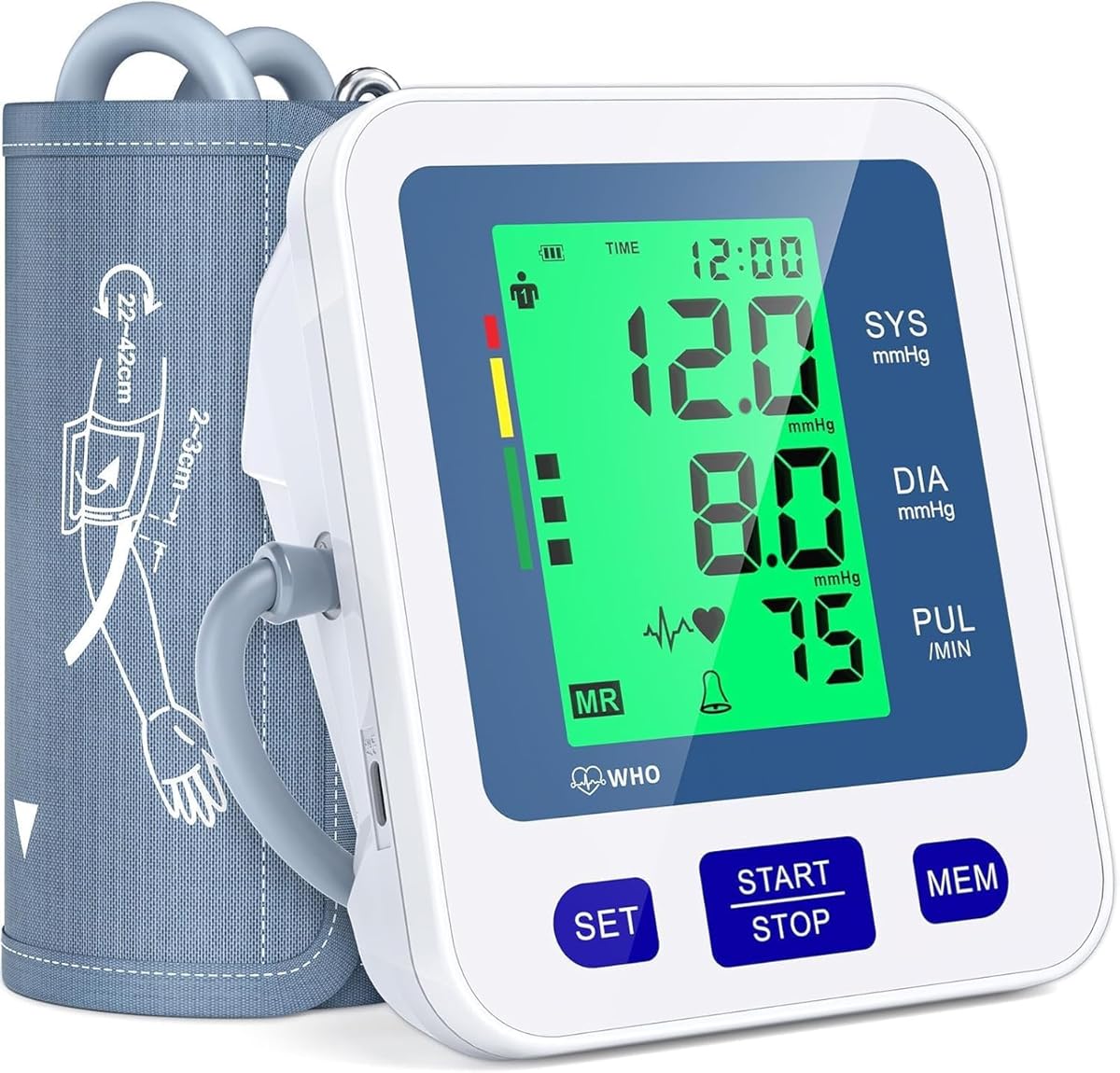
When selecting a home blood pressure monitor like this model with its 22-42cm large cuff and 3-color backlit display, accuracy and proper fit are paramount. The 2x99 memory function is useful for tracking trends, but only if the device provides consistent, validated readings you can trust for managing hypertension.
Key Considerations Before Buying
- Cuff sizing is critical—this monitor's 22-42cm range accommodates larger arms, but improper fit (too loose or tight) can skew readings by 10-20mmHg.
- The 3-color hypertension display (likely green/yellow/red) provides instant categorization, but clinical decisions should be based on logged trends in the 198-memory capacity.
- Automatic inflation should be smooth and gradual; rapid inflation can cause discomfort and affect measurement accuracy, especially for elderly users.
What Our Analysts Recommend
Seek monitors validated by organizations like Hypertension Canada or bearing the CSA mark. Check for clear error indicators (like irregular heartbeat detection) and consistent battery life reports in reviews, as power fluctuations can affect the oscillometric measurement algorithm.
Blood Pressure Market Context
Market Overview
The Canadian home blood pressure monitor market is saturated with oscillometric devices, where accuracy claims often exceed real-world performance. Consumers increasingly seek large-cuff models like this 22-42cm version due to rising awareness that standard cuffs don't fit 20-30% of adults.
Common Issues
Drift in accuracy over time (requiring annual calibration checks), inconsistent readings between sequential measurements, and confusing interfaces that discourage regular use are frequent complaints. Memory functions are often underutilized due to poor data management features.
Quality Indicators
Prioritize devices with clear validation documentation (not just 'clinically accurate' claims), solid cuff construction with a D-ring fastener, and consistent performance reports across verified purchase reviews mentioning comparison with doctor's office readings.
Review Authenticity Insights
Grade C Interpretation
A Grade C authenticity rating with 22% estimated fake reviews suggests moderate review manipulation. For this blood pressure monitor, this typically involves incentivized reviews emphasizing unboxing over long-term accuracy tracking.
Trust Recommendation
Focus on verified purchase reviews that mention specific use cases (like 'compared with my doctor's sphygmomanometer' or 'used daily for 3 months'). Be skeptical of reviews that don't discuss measurement consistency or cuff comfort over time.
Tips for Reading Reviews
Look for reviews discussing sequential readings (taking 2-3 measurements 1 minute apart) and arm positioning details—authentic users typically mention these technical aspects. Reviews mentioning specific systolic/diastolic numbers with dates are more credible than generic 'works great' comments.
Expert Perspective
This monitor's adjusted 4.00/5 rating (down from 4.44) from authentic reviews suggests solid but not exceptional performance. The large cuff range addresses a genuine market need, but the C authenticity grade warrants caution. The 3-color display is a useful visual aid for hypertension staging, though the clinical utility depends entirely on measurement accuracy. The 198-total memory capacity is adequate for two users tracking weekly readings.
Purchase Considerations
Weigh the convenience of the large cuff against the need for potential calibration verification. Consider whether the backlit display is necessary for your environment versus investing in a validated device without flashy features. The memory function is only valuable if you consistently log and review data.
Comparing Alternatives
Compare this model's cuff construction and validation status against similarly priced monitors from Omron or LifeBrand that may offer better long-term accuracy documentation.