Choosing 3-Mil Nitrile Gloves: Durability, Dexterity, and Chemical Resistance
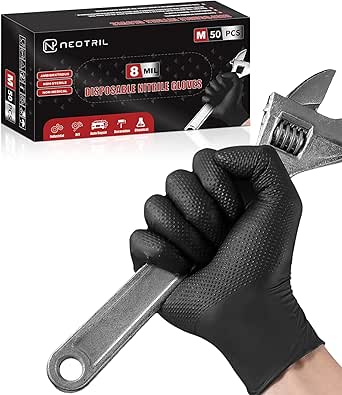
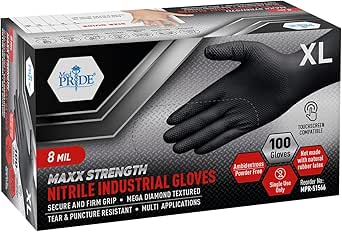
When selecting disposable nitrile gloves like the X3 3-mil model, buyers should focus on the specific balance between thickness and tactile sensitivity. These gloves are positioned between lightweight exam-grade and heavy-duty industrial options, making them suitable for tasks requiring both protection and precision. The textured fingertips and latex-free composition are key features for users with sensitivities or demanding grip requirements.
Key Considerations Before Buying
- The 3-mil thickness offers a practical compromise—substantially more puncture-resistant than 4- or 5-mil gloves for automotive or workshop use, while maintaining enough flexibility for detailed tasks like electronics repair or food preparation.
- For Canadian buyers, verify the product's compliance with Health Canada's Food Safe regulations if using in kitchen environments, as not all nitrile gloves meet this standard despite marketing claims.
- The X-Large sizing is crucial—nitrile gloves with inadequate sizing tear more easily; measure hand circumference at the knuckles to ensure proper fit, as sizing varies significantly between brands.
What Our Analysts Recommend
Quality indicators for 3-mil nitrile gloves include consistent thickness throughout the glove (not just at the palm), beaded cuffs that prevent roll-down during extended wear, and textured patterns that extend beyond just fingertips to the full gripping surface. The black coloration in these X3 gloves suggests higher-grade nitrile compounds that mask discoloration from oils and greases.
Non-Sterile Gloves Market Context
Market Overview
The Canadian disposable glove market has shifted toward nitrile dominance post-pandemic, with 3-mil thickness becoming the new standard for both industrial and serious home use. Recent supply chain stabilization has improved quality consistency compared to 2020-2022, when many brands compromised on material quality.
Common Issues
Buyers frequently encounter inconsistent sizing between batches, premature tearing at stress points (particularly thumb webbing), and chemical formulations that cause excessive hand sweating during extended wear. Some budget nitrile gloves also develop an unpleasant odor when exposed to certain solvents or body oils.
Quality Indicators
Premium nitrile gloves maintain elasticity across temperature ranges common in Canadian environments (from garage cold to indoor heat). Look for certifications like ASTM D6319 for chemical resistance and FDA Title 21 CFR for food contact if needed. The powder-free manufacturing process should leave no residual particulates that could contaminate sensitive work.
Review Authenticity Insights
Grade B Interpretation
A Grade B authenticity rating with 10% estimated fake reviews indicates predominantly genuine feedback with minimal manipulation. For this specific product category, this suggests the 4.80 adjusted rating realistically reflects performance, as glove reviews are frequently targeted for inflation due to high-volume commercial purchases.
Trust Recommendation
Focus on reviews mentioning specific use cases like automotive work, painting, or food handling rather than generic praise. Given the 90% genuine review rate, pay particular attention to verified purchases discussing durability through multiple uses—these provide the most reliable insights for these work-grade gloves.
Tips for Reading Reviews
Prioritize reviews that mention the glove's performance with specific chemicals (brake cleaner, oils, solvents) or tasks requiring fine motor skills. Be skeptical of reviews only discussing packaging or delivery speed without addressing the gloves' actual performance characteristics.
Expert Perspective
The X3 gloves' combination of 3-mil thickness, textured grip, and food-safe certification positions them as versatile performers for Canadian users needing crossover capability between workshop and household tasks. The maintained 4.80 rating after authenticity adjustment suggests consistent quality delivery, which is notable in a category plagued by batch inconsistencies. The black coloration isn't just aesthetic—it provides visual contrast when working with light-colored materials and hides stains that might cause premature disposal of clear gloves.
Purchase Considerations
Evaluate whether the 200-count quantity (2 boxes of 100) matches your usage patterns—these thicker nitrile gloves are often reused for light tasks, so high-volume users might need more frequent replenishment. Consider storage conditions in Canadian climates, as nitrile becomes brittle below 10°C if stored in unheated garages or sheds.
Comparing Alternatives
Compare the X3's 3-mil thickness against both thinner exam gloves and heavier 4- or 5-mil industrial options based on your specific tear resistance needs versus dexterity requirements.