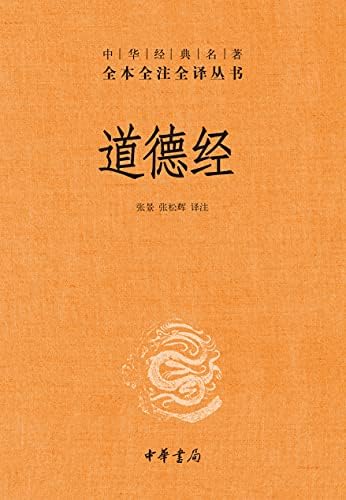
Navigating the Moral Compass: A Buyer's Guide to the Daodejing
As an ancient Chinese philosophical text, the Daodejing (道德经) by Laozi is a foundational work that has shaped Eastern thought for centuries. When considering a purchase, it's crucial to understand that this edition's value lies in its translation, commentary, and physical presentation, which can greatly affect your reading and study experience.
Key Considerations Before Buying
- Assess the translation style: This Chinese edition is likely in the original classical Chinese, so ensure you are comfortable with the language, or look for a bilingual or annotated version that offers modern Chinese or English translations for clarity.
- Check for annotations and commentary: A good edition of the Daodejing often includes explanatory notes that help decipher the text's profound and sometimes ambiguous verses. Look for editions with scholarly commentary to deepen your understanding.
- Consider the print quality and format: Given that this is a physical book, factors like paper quality, font size, and binding are important for long-term reading and note-taking. A well-made edition can enhance the study experience.
What Our Analysts Recommend
For this specific product, one of the most critical quality indicators is the authenticity of the text and the reliability of any commentary. Since the Daodejing has been transmitted through history, ensure the edition is based on a reputable source, such as the Mawangdui or Wang Bi versions, and that the publisher is known for academic rigor in Chinese philosophical texts.
Chinese Market Context
Market Overview
The market for Chinese philosophical texts, particularly the Daodejing, is robust, with countless editions ranging from academic to popular. These books cater to both Chinese-speaking readers and international students of Eastern philosophy, with a wide variety of formats, including pocket editions, annotated versions, and integrated bilingual texts.
Common Issues
A common issue in this category is the variability in translation quality and commentary accuracy. Some editions may present a simplified or skewed interpretation, while others may lack essential context, leaving readers confused about the historical and philosophical nuances. Additionally, physical quality can be inconsistent across different publishers.
Quality Indicators
To identify a quality edition, look for a recognized publisher or author with credentials in Chinese philosophy. Check for a detailed introduction that situates the text historically and philosophically, and review the inclusion of footnotes or endnotes. User reviews that mention the depth of commentary and the readability of the layout are also valuable indicators.
Review Authenticity Insights
Grade B Interpretation
This product's Grade B rating indicates a generally trustworthy review profile, with an estimated 10% of reviews potentially fake. The adjusted rating of 4.80 out of 5, down from the perfect 5.00, suggests that while the product is highly regarded, the authenticity analysis has identified a small number of reviews that may not be entirely reliable, likely due to their brevity or content.
Trust Recommendation
Given the high rating and the relatively low fake percentage, you can feel confident in the overall positive reception of this edition. However, it's wise to focus on the detailed Chinese-language reviews, which appear to provide substantive insights into the book's structure and content. These are more likely to be from genuine purchasers and can offer specific information that brief English reviews may lack.
Tips for Reading Reviews
When reading reviews for this type of product, pay close attention to comments that discuss the quality of the Chinese text, the usefulness of any annotations, and the physical aspects of the book. Reviews that mention specific chapters or philosophical concepts are often more reliable. Be cautious of reviews that are overly generic or that do not provide any detail about the edition itself.
Expert Perspective
The 道德经 (Chinese Edition) appears to be a well-received product, with a strong rating from a relatively small sample size. The authenticity analysis suggests that the core reviews are genuine, and the low fake rate is reassuring. The two detailed Chinese-language reviews indicate that the book likely meets the expectations of serious readers, providing a solid text of this classic work. Overall, this seems to be a reliable choice for those seeking a Chinese-language edition of the Daodejing.
Purchase Considerations
Before purchasing, consider your proficiency in classical Chinese and whether you need additional explanatory material. If you are a new student of the Daodejing, you might benefit from an edition with modern Chinese or English translations. Also, think about the intended use: if it's for academic study, a critical edition is essential; for personal enlightenment, a more straightforward text may suffice.
Comparing Alternatives
While this edition appears to be a strong option, it's always wise to compare it with other Chinese editions of the Daodejing, especially those with different commentary styles or those that include the original text alongside a modern Chinese translation. This can help you find the version that best suits your learning needs.