What to Know Before Buying 20-30 mmHg Graduated Compression Socks
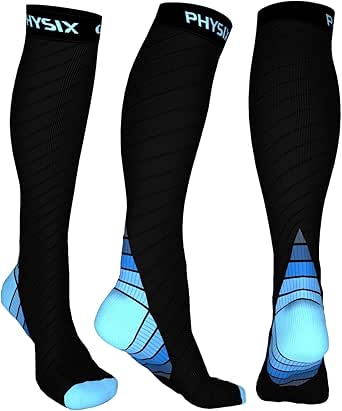
Physix Gear Sport's knee-high compression socks target a 20-30 mmHg graduated pressure range, a clinical-grade level used for travel, pregnancy swelling, and post-workout recovery. At this compression level, fit and material construction matter far more than they do with light 8-15 mmHg socks, so buyers should shop carefully.
Key Considerations Before Buying
- Confirm the pressure level matches your need: 20-30 mmHg is a firm, medical-grade range suited to long flights, pregnancy-related swelling, and varicose vein support, but it is harder to pull on than 15-20 mmHg socks and may feel too tight for casual everyday wear.
- Measure your calf circumference and shoe size before ordering rather than defaulting to your usual sock size; graduated compression only works when the ankle-to-calf taper fits your leg, and an oversized sock loses its pressure gradient.
- Check the fiber blend: nylon and spandex content drives how well the sock holds its compression through repeated washing, and a higher spandex percentage generally means better shape retention over months of use.
What Our Analysts Recommend
Quality compression socks in this class should have a reinforced heel and toe, a defined graduated knit that is visibly tighter at the ankle, and flat seams that won't dig in during 10-plus hours of wear. Look for care instructions that recommend hand washing or gentle cycles, since heat and tumble drying degrade spandex and shorten the sock's useful life.
Compression Knee-High Socks Market Context
Market Overview
The compression sock market has expanded well beyond medical supply stores, with athletic and travel-focused brands now competing on style as much as on pressure accuracy. Prices range widely, but the 20-30 mmHg tier is where construction quality separates socks that hold their compression for months from those that loosen after a few washes.
Common Issues
The most frequent complaints in this category are socks that are too difficult to put on, compression that fades after repeated laundering, and sizing that runs inconsistently between colorways or batches. Buyers also report that some socks labeled 20-30 mmHg feel noticeably looser than that, so verifying pressure claims against reviews matters.
Quality Indicators
A trustworthy compression sock shows a clear graduated knit pattern, consistent stitching at the cuff and heel, and fabric that snaps back into shape when stretched. Brands that publish sizing charts based on calf measurement, rather than shoe size alone, tend to deliver a more accurate fit.
Review Authenticity Insights
Grade A Interpretation
A Grade A authenticity rating with an estimated 5.00% fake review rate is strong for a product with more than 83,000 reviews; the adjusted rating of 4.40/5 versus the displayed 4.56/5 suggests only a small inflation effect. The presence of verified purchases and detailed, varied review content supports that most feedback reflects real customer experience.
Trust Recommendation
Shoppers can treat the review base as broadly reliable, but should still weigh the adjusted 4.40 rating over the headline 4.56 when comparing against competitors. Pay particular attention to reviews mentioning fit and durability, since those are the areas where even genuine high ratings can mask recurring issues.
Tips for Reading Reviews
For compression socks, prioritize reviews that state the reviewer's calf size, activity (travel, pregnancy, running), and how long the socks held their compression. Sort by recent reviews to catch any change in manufacturing or sizing, and treat very short five-star reviews as less informative than detailed ones describing fit over weeks of use.
Expert Perspective
Physix Gear Sport has built a large, largely authentic review base around a firm 20-30 mmHg graduated sock aimed at travelers and pregnant wearers. The Grade A authenticity score and modest 5% estimated fake rate mean the 4.40 adjusted rating is a credible signal of solid-but-not-perfect satisfaction. The main risks are fit-related: at this pressure level, sizing errors produce the bulk of negative experiences.
Purchase Considerations
Weigh whether you need true 20-30 mmHg compression or a lighter everyday sock, since this firmness is best for flights, pregnancy, and recovery rather than all-day casual wear. Check the seller's sizing chart against your calf measurement, and factor in that proper care (cool wash, air dry) is required to preserve compression.
Comparing Alternatives
Compare this pair against other 20-30 mmHg graduated socks with published calf-based sizing and similar authenticity profiles before committing, especially if you need multiple pairs for regular travel.