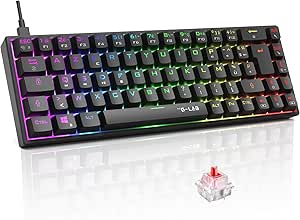
What to Know Before Buying a Wireless Mechanical Keyboard with a TFT Display
The EPOMAKER Ajazz AK820 Pro combines a compact 75% layout with a built-in TFT display and rotary knob, bridging the gap between a productivity tool and an enthusiast gaming keyboard. As wireless mechanical boards with screens become more common, understanding how these features affect daily use—and what to expect from build quality and connectivity—will help you decide if this model fits your setup.
Key Considerations Before Buying
- The TFT display and knob are the headline features: the screen can show connection status, battery level, and even custom GIFs, while the knob usually controls volume or media playback. Consider whether you'll actually use these extras or if they'll just add cost and complexity compared to a simpler board.
- Wireless mechanical keyboards typically offer 2.4GHz and Bluetooth modes, but latency and battery life vary. The AK820 Pro's 2.4GHz mode is geared toward gaming, while Bluetooth is better for switching between devices; expect to recharge every few days with heavy use, especially if the display stays active.
- The 75% layout keeps dedicated arrow keys and function row but drops the numpad, saving desk space. Check that the key spacing and knob placement don't interfere with your muscle memory, especially if you're coming from a full-size or TKL keyboard.
What Our Analysts Recommend
Prioritize gasket mounting and sound-dampening foam if you want a softer, less hollow typing feel—these are hallmarks of modern enthusiast boards. Also verify the switch type (linear, tactile, or clicky) and whether it's hot-swappable, since that affects customization and long-term maintenance. Finally, look for a sturdy case material (aluminum or thick plastic) and stable stabilizers, as rattly stabilizers are a common weak point in budget wireless boards.
Gaming Keyboards Market Context
Market Overview
The gaming keyboard market is saturated with wireless mechanical options, and features like TFT displays and rotary knobs are becoming differentiators in the sub-$100 segment. Brands like Epomaker, Royal Kludge, and Keychron are pushing compact layouts with enthusiast-grade features, but quality control can vary widely between batches.
Common Issues
Common complaints in this category include wireless connectivity dropouts, especially in crowded 2.4GHz environments, and battery life that falls short of claims when RGB and displays are active. Software support is another pain point—some brands offer limited or buggy configuration tools, so check if the keyboard has open-source or well-maintained proprietary software.
Quality Indicators
A solid wireless mechanical keyboard should have a clean PCB with no flex, smooth stabilizers from the factory, and consistent switch actuation. Look for reviews that mention long-term durability (6+ months) and whether the brand provides firmware updates. Also, a removable USB-C cable and a physical power switch are signs of thoughtful design.
Review Authenticity Insights
Grade B Interpretation
A Grade B authenticity rating with an estimated 15% fake review rate means the review pool is mostly genuine but includes some suspicious entries. The adjusted rating of 4.50/5 (down from 4.89) suggests that while most buyers are satisfied, the inflated score may overstate perfection—likely due to incentivized or low-quality reviews.
Trust Recommendation
Trust the adjusted rating more than the raw score, and focus on reviews that mention specific use cases (e.g., gaming latency, typing sound) rather than generic praise. Since 15% is a moderate fake rate, cross-reference with external forums or video reviews to get a fuller picture before purchasing.
Tips for Reading Reviews
Filter for reviews with photos or detailed pros/cons, and be wary of short, five-star reviews posted in clusters. Pay attention to complaints about connectivity or build quality, as these are often repeated in genuine negative reviews and can reveal patterns.
Expert Perspective
The EPOMAKER Ajazz AK820 Pro packs a lot of enthusiast features—TFT screen, knob, gasket mount, and wireless—into a compact package, which explains its strong adjusted rating of 4.50/5. However, the 15% fake review estimate means you should dig deeper than the headline score. The keyboard is likely a solid value for gamers who want a customizable, space-saving board, but potential buyers should verify batch-specific quality control and software stability.
Purchase Considerations
Weigh whether the TFT display and knob are must-haves or nice-to-haves, as they add cost and potential failure points. Also consider your primary use: if you need ultra-low latency for competitive gaming, a wired board might be safer; if you value aesthetics and wireless convenience, this is a compelling option. Check the return policy in case you receive a unit with stabilizer rattle or connectivity issues.
Comparing Alternatives
Before buying, compare with other 75% wireless mechanical keyboards like the Keychron K2 or Royal Kludge RK84, which may offer similar layouts without the screen for a lower price.