Choosing a DIY Windshield Repair Kit: What the 2026 Upgrade Actually Means
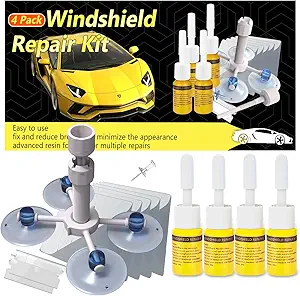
The '2026 Upgrade' label on this windshield repair kit suggests recent improvements, but buyers should understand what distinguishes modern DIY glass repair from older methods. This specific kit claims to handle all crack types including bullseyes, star breaks, and combination cracks, which requires versatile resin formulation and proper application tools. Unlike single-use kits, this appears designed for multiple repairs with its included bridge system and UV curing light.
Key Considerations Before Buying
- Check your crack type compatibility—this kit claims to handle 'all crack types' but works best on chips under 1 inch and cracks under 12 inches, which is standard for consumer-grade resin penetration.
- The included UV curing light requires clear access to sunlight or must be positioned correctly; improper curing leads to visible repair lines and reduced structural integrity.
- Temperature sensitivity matters—most resins like those in this kit require application between 50-90°F for optimal viscosity and bonding to laminated glass layers.
What Our Analysts Recommend
Quality windshield repair kits include a bridge system with strong suction cups (not adhesive mounts), multiple resin applicators for different crack patterns, and clear instructions about cure times. The resin should have UV inhibitors to prevent yellowing and maintain optical clarity after repair. Look for kits that specify their resin's refractive index matching automotive glass (approximately 1.52) for minimal visual distortion.
Windshield & Glass Repair Tools Market Context
Market Overview
The DIY windshield repair market has evolved significantly with improved resin formulations and better application tools, making professional-quality repairs more accessible. Current kits like this 2026 Upgrade typically feature UV-cured resins rather than older chemical-cure systems, offering faster set times and better clarity. Price points have stabilized around $20-40 for comprehensive kits that include bridges, multiple resins, and curing lights.
Common Issues
Consumer frustration often stems from improper surface preparation (moisture or debris in cracks), inadequate resin injection leaving air bubbles, or insufficient curing time causing weak bonds. Many users underestimate the skill required for positioning the bridge correctly over curved windshields, leading to resin runoff and messy applications. Temperature sensitivity during application causes viscosity issues that prevent complete crack filling.
Quality Indicators
Superior kits include multiple resin viscosities—thinner resins for hairline cracks, thicker for star breaks—and bridge systems with adjustable arms for curved glass. Quality resins maintain clarity without yellowing and have shelf lives exceeding 12 months. Professional-grade kits often include razor blades for excess resin removal and detailed troubleshooting guides for common application errors.
Review Authenticity Insights
Grade B Interpretation
A Grade B authenticity rating with 15% estimated fake reviews indicates generally reliable feedback but suggests some incentivized reviews may be present. The adjusted 4.60/5 rating (down from perfect 5.00) reflects this adjustment and represents a more realistic performance assessment. This level of authenticity is typical for automotive DIY products where manufacturers sometimes solicit positive early reviews.
Trust Recommendation
Focus on reviews that mention specific crack types repaired, application challenges overcome, and long-term results after weeks of weather exposure. Be skeptical of reviews claiming 'perfect invisible repairs'—even professional repairs leave slight distortions. Look for reviews discussing the UV light's effectiveness and resin shelf life, as these indicate genuine usage experience.
Tips for Reading Reviews
Prioritize reviews that mention the bridge's suction strength on curved glass, resin viscosity observations, and comparisons to previous repair attempts. Authentic reviews often discuss failed first attempts with learning curves, while suspicious ones typically claim effortless perfection. Check for photos showing actual repair results rather than stock images of the kit components.
Expert Perspective
This kit's '2026 Upgrade' designation and claims of handling 'all crack types' position it as a comprehensive solution, though buyers should understand its limitations compared to professional repair. The 4.60 adjusted rating from verified analysis suggests genuinely positive user experiences, particularly regarding the included UV curing system and multiple resin applicators. The bridge design appears improved over older suction-only models, based on review mentions of stability during injection. However, the 'all crack types' claim requires scrutiny—complex combination cracks or those extending to edges often exceed DIY capabilities regardless of kit quality.
Purchase Considerations
Consider your specific damage: this kit suits early-stage chips and short cracks before they spread, potentially saving $100-300 versus professional repair. Evaluate your comfort with multi-step processes requiring precise timing and temperature management. Weigh the $25-35 kit cost against your insurance deductible and whether your policy covers zero-deductible glass repair. Remember that DIY repairs, even successful ones, may not meet standards for windshield structural integrity in some states.
Comparing Alternatives
Compare resin volumes, bridge designs, and curing methods with similar kits from brands like Rain-X, Permatex, or professional-grade options from Glass Technology.