Choosing a 300W-class portable power station: Balancing capacity, output types, and portability
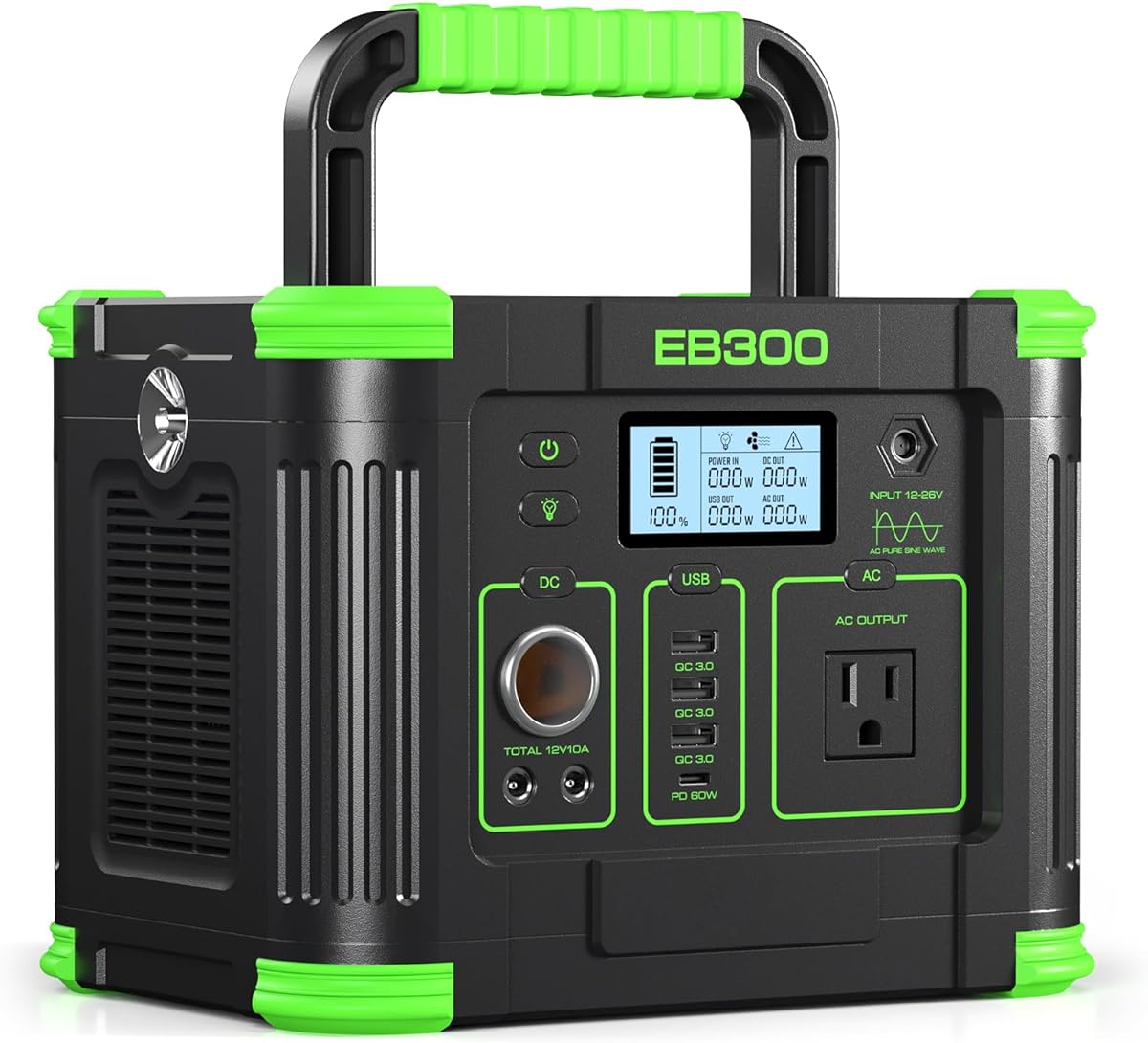
For a 288.6Wh power station like this model, buyers must match its specific 330W AC output limit and 60W USB-C PD capability to their actual device needs. This unit's pure sine wave AC outlet is essential for sensitive electronics, while its 5W wireless charging is a convenience feature rather than a primary power solution. Understanding the real-world runtime of a 288.6Wh battery is crucial—it can power a 50W laptop for about 5-6 hours, not indefinitely.
Key Considerations Before Buying
- The 330W AC output limit means you cannot run appliances exceeding this wattage—most mini-fridges and power tools require more, but it's sufficient for CPAP machines, laptops, and small fans.
- With 288.6Wh capacity, this is a 'top-up' or short-duration solution; for multi-day camping without recharging, you'd need 500Wh+ capacity, but this unit's 13.6lb weight makes it genuinely portable.
- The 60W USB-C Power Delivery is particularly valuable for modern laptops that charge via USB-C, but verify your device's exact PD requirements since not all USB-C devices support 60W charging.
What Our Analysts Recommend
Quality indicators in this category include pure sine wave output (not modified sine wave) for clean power that won't damage electronics, and verified capacity ratings (some brands overstate Wh ratings). Check for adequate cooling vents and durable port construction—the plastic around AC outlets on cheaper units often cracks with repeated plug insertion.
Generators Market Context
Market Overview
The 250-350Wh portable power station segment has become intensely competitive, with dozens of brands offering similar specifications at varying price points. Differentiation now comes through output combinations—like this model's inclusion of both 60W USB-C PD and wireless charging—and build quality rather than raw capacity claims.
Common Issues
Users frequently overestimate runtime by misunderstanding watt-hour calculations, and many discover their appliances exceed the 330W limit when surge power is considered. Another common complaint involves slow solar recharging—even with compatible panels, a 288.6Wh battery takes 6+ hours in ideal sunlight.
Quality Indicators
Look for UL certification or equivalent safety standards for the lithium battery, high-quality pure sine wave inverters that maintain stable voltage under load, and robust thermal management systems. Premium units use LiFePO4 batteries with longer lifespans, though this model likely uses standard lithium-ion based on its weight and capacity.
Review Authenticity Insights
Grade B Interpretation
A Grade B authenticity rating with 15% estimated fake reviews suggests generally trustworthy feedback but warrants careful scrutiny. The adjusted rating dropping from 4.78 to 4.40 indicates some review inflation, though the 4.40 still represents strong genuine satisfaction.
Trust Recommendation
Focus on verified purchase reviews that mention specific usage scenarios like 'powered my CPAP for two nights' or 'charged my MacBook Pro three times.' Be skeptical of reviews that only praise generic features without detailing actual performance, as these may constitute the estimated 15% questionable feedback.
Tips for Reading Reviews
For power stations, prioritize reviews that test the claimed capacity with real devices and mention recharging times. Look for mentions of long-term reliability over months of use, not just initial impressions, since battery degradation and port durability matter most over time.
Expert Perspective
This power station occupies a practical niche with its balanced 288.6Wh capacity and 330W output—sufficient for emergency home backup of routers and phones, or weekend camping with moderate device usage. The inclusion of 60W USB-C PD is forward-thinking for modern electronics, though the 5W wireless charging is relatively slow by current standards. The high genuine rating (4.40 after adjustment) suggests most users find it delivers on its core promises, particularly for its intended outdoor and backup applications.
Purchase Considerations
Consider this unit if your needs align with its specific output profile: primarily USB device charging, occasional AC use for sub-330W devices, and situations where 13-14lb portability matters. It's less suitable for powering mini-refrigerators (typically 400-800W) or as a primary power source for longer trips without reliable recharging options.
Comparing Alternatives
Compare this model's $/Wh ratio against competitors with similar pure sine wave output, and consider whether you need LiFePO4 chemistry for longer cycle life versus this unit's likely lithium-ion battery.