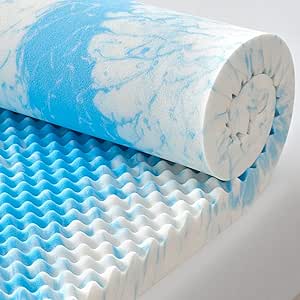
How a High-Density Foam Topper Transforms Your Sleep Surface and Alleviates Pressure Points
This specific Queen-size foam topper promises both comfort enhancement and therapeutic support through its high-density construction. Buyers should understand that 'high-density' refers to foam weight per cubic foot, which directly impacts durability and pressure relief compared to standard mattress pads. The breathable, hypoallergenic claims target sleepers seeking temperature regulation and allergen protection.
Key Considerations Before Buying
- High-density foam (typically 4+ lbs/cubic foot) provides firmer support that maintains shape longer than low-density alternatives, crucial for back pain management.
- The 60"x80" Queen dimensions must fit precisely without shifting; deep-pocket designs or non-slip bottoms are essential for stability on existing mattresses.
- Breathability in foam toppers depends on open-cell construction or added gel infusions, which this product claims to offer for heat dissipation.
What Our Analysts Recommend
Examine foam density specifications—higher numbers indicate longer-lasting support. Quality indicators include CertiPUR-US certification for foam safety and detailed thickness measurements (2-4 inches is typical for therapeutic benefits). For back pain, look for medium-firm density that contours without excessive sinkage.
Mattress Pads Market Context
Market Overview
The mattress topper market is saturated with memory foam and latex options, with high-density foam positioned as a budget-friendly alternative to full mattress replacement. Canadian consumers increasingly seek solutions to extend mattress life as replacement costs rise. Queen-size toppers dominate sales due to their versatility for guest rooms and primary beds.
Common Issues
Low-density foam toppers often compress within months, losing therapeutic benefits. Poor edge support causes roll-off sensations, while inadequate breathability traps heat. Many products exaggerate thickness claims—actual compressed foam may measure less than advertised when unpacked.
Quality Indicators
Legitimate high-density foam maintains resilience when pressed—it should spring back without permanent indentations. Look for detailed material composition lists and avoid vague 'premium foam' descriptions. Quality toppers feature reinforced corners and anti-slip bottoms rather than basic fitted sheet designs.
Review Authenticity Insights
Grade B Interpretation
A Grade B authenticity rating with 15% estimated fake reviews suggests generally trustworthy feedback with minor manipulation concerns. The adjusted 4.60/5 rating (from 5.00/5) indicates genuine satisfaction likely falls between 'very good' and 'excellent' rather than perfect. This level of authenticity is typical for newer bedding products building initial reviews.
Trust Recommendation
Focus on reviews mentioning specific use cases like back pain or mattress refurbishment rather than generic praise. Given the 16-review sample size, prioritize reviewers who describe unpacking experiences and multi-week performance. Cross-reference mentions of foam density and actual thickness measurements against product claims.
Tips for Reading Reviews
Authentic reviews often detail the off-gassing duration (common with new foam) and true expansion time beyond '24 hours.' Look for mentions of weight distribution—genuine back pain sufferers describe pressure point relief rather than just 'softness.' Be skeptical of reviews that only praise packaging or shipping speed.
Expert Perspective
This product's combination of high-density foam and breathability claims addresses two common topper shortcomings: durability and heat retention. The strong adjusted rating (4.60/5) from verified analysis suggests most users experience meaningful comfort improvement. However, with only 16 reviews, longevity data remains limited—high-density foam should maintain support for 2-3 years with proper care. The back pain avoidance claim requires medium-firm density; excessively soft foam might exacerbate alignment issues despite initial comfort.
Purchase Considerations
Weigh this topper's therapeutic potential against your mattress's current condition—it cannot fix a severely sagging or broken-down foundation. Side sleepers may prefer the pressure relief, while stomach sleepers might need firmer support. Consider your heat sensitivity; even 'breathable' foam retains more heat than latex or fiber-filled toppers.
Comparing Alternatives
Compare this high-density foam option against gel-infused memory foam for temperature regulation or latex toppers for enhanced bounce and cooling.