
Choosing an Indoor TV Antenna: Signal Range, Installation, and Cable Length Matter
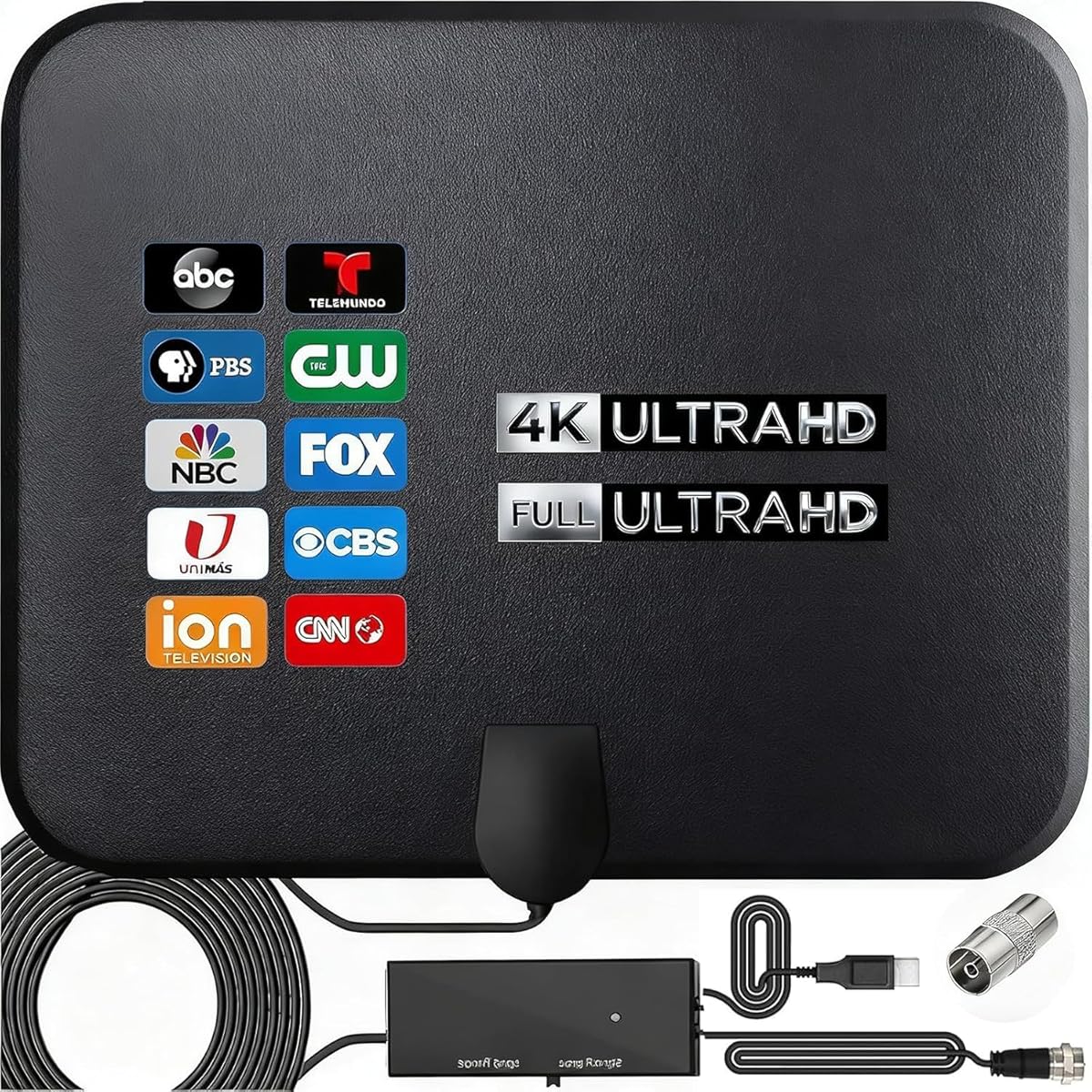
When selecting an indoor TV antenna like this model with a 16.5FT coax cable and built-in signal booster, understanding your local broadcast geography is crucial. This specific antenna's performance depends heavily on your distance from transmission towers and physical obstructions, despite its 4K/1080p compatibility claims.
Key Considerations Before Buying
- The 16.5FT cable length determines placement flexibility—measure your distance from potential window/attic mounting spots to your TV before purchasing.
- Signal boosters can help with weak reception but may also amplify interference; this model's integrated amplifier requires USB power from your TV or outlet.
- Local channel availability varies by ZIP code—check FCC's DTV reception maps rather than relying on generic 'up to XXX mile' range claims.
What Our Analysts Recommend
Quality indoor antennas feature durable coaxial connectors and low-loss cable (like RG6), not just thin wire. The amplifier should have adjustable gain control, though this fixed-gain model relies on optimal placement. Physical construction should allow for both flat-wall mounting and upright positioning for multi-directional reception.
Market Context
Market Overview
The indoor antenna market is saturated with nearly identical products, with most manufacturers sourcing similar components from Chinese suppliers. Differentiation comes through cable quality, amplifier effectiveness, and mounting hardware—not the basic flat panel design this product uses.
Common Issues
Consumers frequently overestimate range capabilities and encounter signal dropout during weather changes. Amplifiers sometimes introduce 'signal noise' that degrades picture quality on weaker channels, despite boosting strength.
Quality Indicators
Superior antennas use gold-plated connectors to prevent corrosion and include ferrite chokes on the cable to reduce interference. Look for products specifying actual dB gain ratings for their amplifiers rather than vague 'booster' claims.
Review Authenticity Insights
Grade B Interpretation
A Grade B with 15% estimated fake reviews suggests generally authentic feedback but with some orchestrated positive reviews. The adjusted 4.60/5 rating from 4.60/5 indicates genuine satisfaction slightly below the perfect 5.00/5 surface rating.
Trust Recommendation
Focus on reviews discussing specific channel counts received, installation challenges with particular home constructions, and long-term reliability over 6+ months. Be skeptical of reviews claiming 'perfect reception everywhere' without location details.
Tips for Reading Reviews
Prioritize reviews mentioning actual channel numbers received and specific broadcast networks (ABC, CBS, etc.). Look for discussions about amplifier effectiveness—whether it genuinely improves weak signals or just adds noise.
Expert Perspective
This antenna represents a standard entry in the flat-panel indoor antenna category with adequate 16.5FT cable length for most installations. The integrated amplifier is a meaningful differentiator from non-amplified models, though its fixed gain may not suit all environments. The 4.60 adjusted rating suggests real-world performance meets expectations for most users in moderate reception areas, but those in challenging locations (valleys, far from towers) should temper expectations.
Purchase Considerations
Consider your home's construction materials—brick, stucco, or metal siding significantly reduce signal penetration. The included amplifier requires USB power, so ensure your TV has a USB port or plan for an adapter. This antenna's black color and flat design prioritize discreet placement over maximum reception surface area.
Comparing Alternatives
Compare this amplified model against both non-amplified flat antennas and traditional rabbit-ear designs, which often provide better multi-directional reception despite less aesthetic appeal.


