
Evaluating Clip-on Bone Conduction Earbuds for Active Use Without Ear Canal Blockage
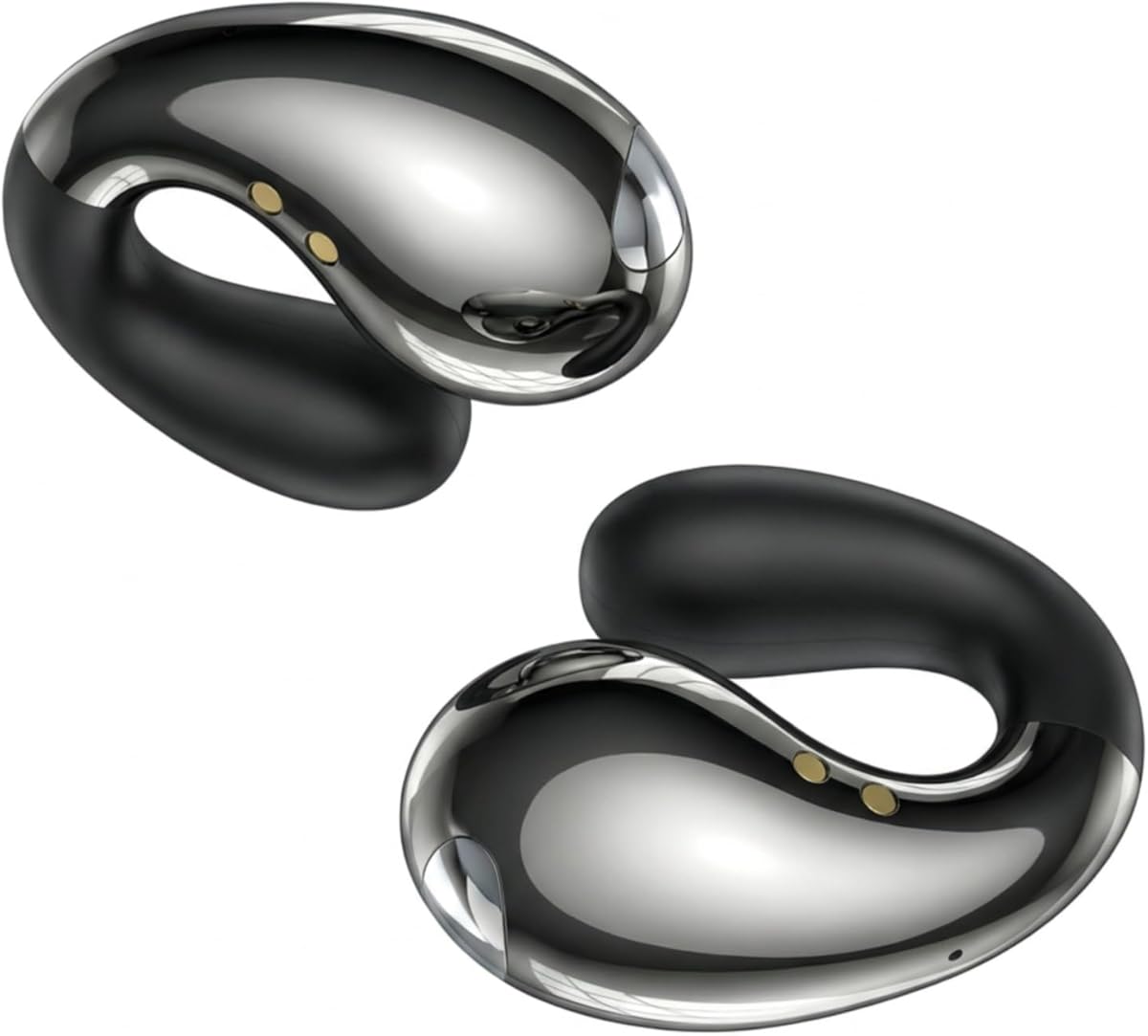
The Boytond Ultra Open Ear Earbuds represent a specific hybrid design combining clip-on ear hooks with bone conduction technology. Unlike traditional earbuds or standard bone conduction headphones, this product aims to deliver situational awareness while providing secure fit during high-movement activities. Buyers should understand this product sits at the intersection of three categories: open-ear audio, sports headphones, and bone conduction technology.
Key Considerations Before Buying
- Bone conduction audio quality varies significantly by brand—expect less bass response than traditional earbuds but clearer environmental awareness during runs or cycling.
- Clip-on designs like the Boytond's must balance secure fit with long-term comfort, particularly where the hook wraps around the ear cartilage during extended wear.
- The waterproof rating (unspecified in listing) matters crucially for sports use—look for at least IPX4 for sweat resistance, with IPX7 being ideal for runners in all weather conditions.
What Our Analysts Recommend
For clip-on bone conduction models, examine the hinge mechanism quality where the hook meets the transducer—this is a common failure point. Genuine waterproofing should be certified (IP rating), not just described as 'waterproof design.' Battery life claims should specify volume levels, as bone conduction typically requires more power at higher volumes.
Open-Ear Headphones Market Context
Market Overview
The open-ear headphone market has expanded beyond traditional bone conduction to include air conduction clip-ons and neckband styles. The Boytond enters a competitive segment where Shokz dominates bone conduction, while brands like Oladance and Sony compete with air conduction open-ear designs. New entrants often compete on price but vary significantly in transducer quality and comfort engineering.
Common Issues
Clip-on designs frequently suffer from pressure points behind the ear during extended wear, while bone conduction models struggle with audio leakage in quiet environments. Many budget models exaggerate waterproof claims and use subpar Bluetooth chipsets causing connection drops during outdoor activities. Vibration discomfort at higher volumes remains a persistent challenge in bone conduction technology.
Quality Indicators
Premium bone conduction headphones use proprietary transducers that minimize facial vibration while maximizing audio clarity. Look for multi-point Bluetooth connectivity for seamless device switching and clear microphone specifications for call quality during activities. Quality clip mechanisms should offer adjustable tension without plastic fatigue points.
Review Authenticity Insights
Grade U Interpretation
Grade U with 0.00% fake reviews indicates this product has no established review history on Amazon—this represents complete uncertainty rather than confirmed authenticity. For a new model in the competitive open-ear category, this absence of reviews is unusual and suggests either very recent listing or limited initial sales volume.
Trust Recommendation
Given the zero-review status, prioritize purchasing from sellers with reliable return policies. Request detailed specifications from the manufacturer regarding IP rating certification and Bluetooth codec support. Consider waiting for verified purchase reviews that specifically address comfort during running and audio quality in windy conditions.
Tips for Reading Reviews
For bone conduction products, focus on reviews mentioning specific activities like running, cycling, or gym use. Look for mentions of 'vibration discomfort' at different volume levels and 'battery life during actual use.' Be skeptical of reviews that don't mention the unique open-ear experience compared to traditional earbuds.
Expert Perspective
The Boytond Ultra presents as an ambitious hybrid design attempting to merge secure clip-on fit with bone conduction technology—a combination less common than standard temple-based bone conduction models. The 'Mirror Black' finish and unspecified waterproof rating raise immediate questions about durability and actual sports readiness. With zero reviews and unverified performance claims, this product represents a complete unknown in a category where established brands have documented performance characteristics. The clip-on approach could either solve common fit issues or introduce new pressure points during extended wear.
Purchase Considerations
Early adopters should weigh the potential fit advantages of clip-on design against the uncertainty of unproven bone conduction performance. Consider whether situational awareness during running justifies potential audio quality compromises compared to traditional sports earbuds. The complete lack of user feedback makes this a higher-risk purchase than established open-ear alternatives with documented performance in active scenarios.
Comparing Alternatives
Shoppers should compare the Boytond's clip design against Shokz OpenRun's temple-based fit and Oladance's air conduction approach for similar open-ear sports applications.


