
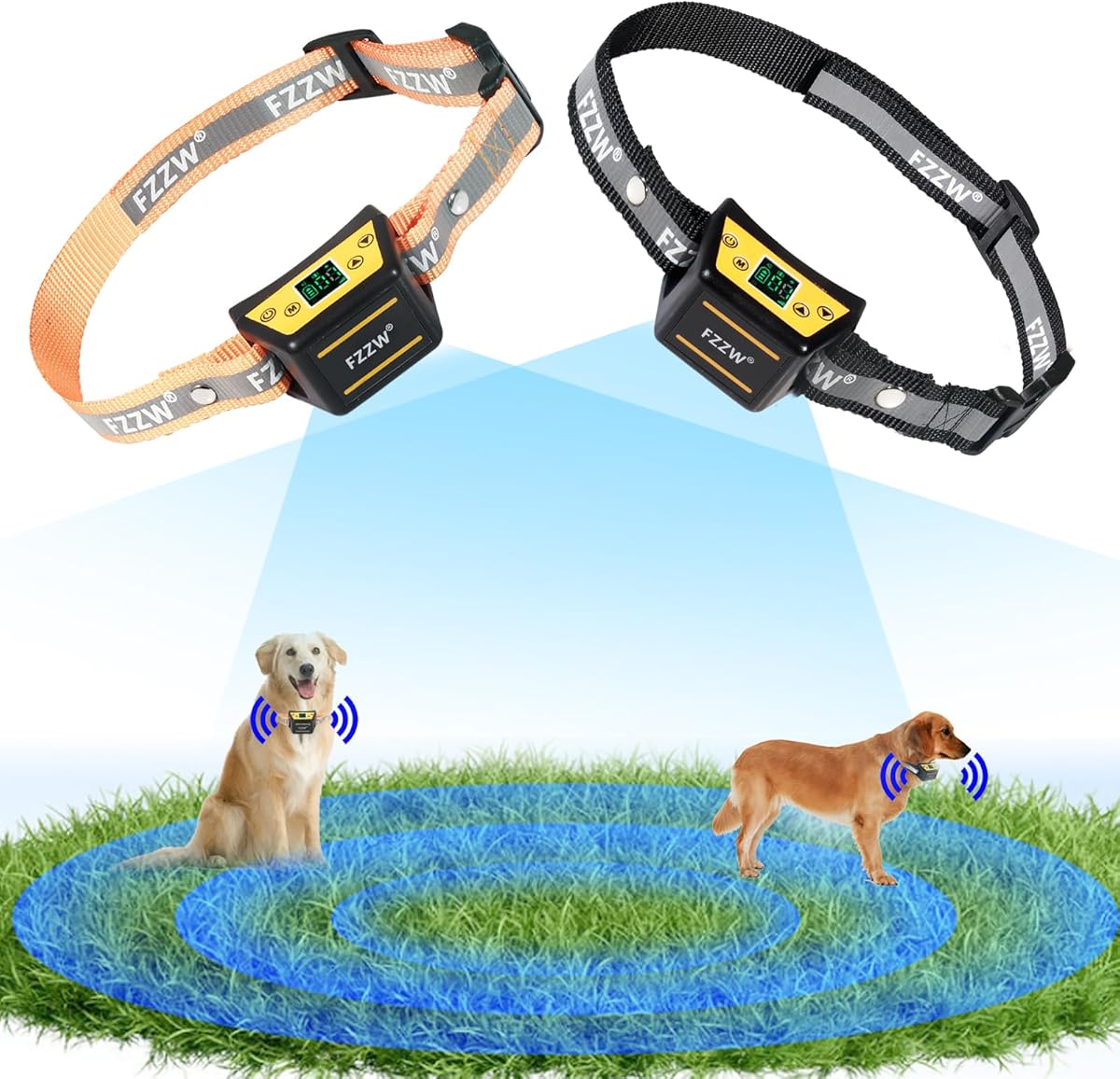
GPS Wireless Dog Fences: Balancing Convenience with Boundary Accuracy for Your Pet
The Plkm system represents the latest evolution in wireless containment, using GPS technology rather than traditional radio signals to establish boundaries. This specific model features adjustable warning zones and wireless charging, which addresses common pain points in this category. Buyers should understand that GPS-based systems offer different installation benefits but may have different accuracy considerations than radio-frequency fences.
Key Considerations Before Buying
- GPS-based systems like the Plkm require clear sky visibility for satellite connection and may have different accuracy in dense urban areas compared to open spaces.
- The adjustable control range feature allows customization from small yards to larger properties, but actual effective range depends on GPS signal strength and environmental factors.
- Wireless charging eliminates the need for collar receiver port covers, reducing potential water intrusion points and maintenance hassles common with wired charging systems.
What Our Analysts Recommend
For GPS wireless fences, examine collar receiver sealing quality—the Plkm's fully sealed waterproof rating is crucial for all-weather reliability. Check for adjustable warning strength levels, which allow gradual training progression from beep-only to static correction. Verify that the system offers multiple boundary shapes beyond just circular zones, as some GPS systems now provide customizable geofences.
Radio & Wireless Fences Market Context
Market Overview
The wireless dog fence market has shifted toward GPS-based systems that eliminate the need for buried wires and base station placement constraints. Current offerings range from basic radio-frequency models to advanced GPS systems with smartphone integration, with prices reflecting these technological differences. The Plkm sits in the mid-range GPS category, offering wireless charging and adjustable parameters without premium app-control features.
Common Issues
GPS signal dropout in areas with heavy tree cover or near tall buildings remains a concern, potentially creating temporary boundary gaps. Battery life variability between models affects how frequently collars need recharging, with some systems lasting days while others require daily charging. Inconsistent warning-to-correction timing can confuse dogs during training if not properly adjustable.
Quality Indicators
Look for systems with multiple correction modes (beep, vibration, static) that allow progressive training adaptation. Waterproof ratings should be IPX7 or higher for reliable performance in rain and during swimming. Quality GPS systems provide signal strength indicators and low-battery warnings before complete failure occurs.
Review Authenticity Insights
Grade B Interpretation
The Grade B authenticity rating with 15% estimated fake reviews suggests mostly reliable feedback but warrants careful review scrutiny. This indicates that while the majority of the 13 reviews appear genuine, approximately 2 reviews may show manipulation patterns common in this competitive category. The 4.60 adjusted rating (from 5.00) after removing suspicious reviews represents a more realistic performance assessment.
Trust Recommendation
Focus on the 11 verified purchase reviews that describe specific installation experiences and training timelines rather than generic praise. Pay particular attention to reviews mentioning GPS accuracy in various weather conditions and battery life under actual use—these details are harder to fabricate convincingly. The verified purchase status of all reviews increases their credibility despite the authenticity concerns.
Tips for Reading Reviews
Look for reviews that mention specific property sizes, dog breeds, and training durations—these indicate genuine usage. Be skeptical of reviews that only praise packaging or delivery speed without discussing fence performance. Compare experiences with GPS signal acquisition times and boundary consistency across multiple reviews to identify patterns.
Expert Perspective
The Plkm system's combination of GPS technology, wireless charging, and fully sealed collar addresses several historical weaknesses in wireless containment systems. The 4.60 adjusted rating from verified purchasers suggests solid performance, though the limited review count (13 total) means we're seeing early adopter feedback rather than long-term reliability data. The system's adjustable warning strength and control range parameters indicate thoughtful design for different training approaches and property configurations.
Purchase Considerations
Weigh the convenience of GPS boundary setup against potential signal accuracy variations in your specific location—test the system during your return window if possible. Consider whether wireless charging justifies any potential price premium over traditional charging systems, especially if you have multiple dogs requiring frequent charging cycles. Evaluate your need for customizable boundary shapes versus the standard circular zones most GPS systems provide.
Comparing Alternatives
Compare the Plkm's GPS approach with radio-frequency systems that may offer more consistent boundary signals but require physical base station placement.


