Evaluating High-Power Fat Tire E-Bikes: What TST's 1500W Model Delivers
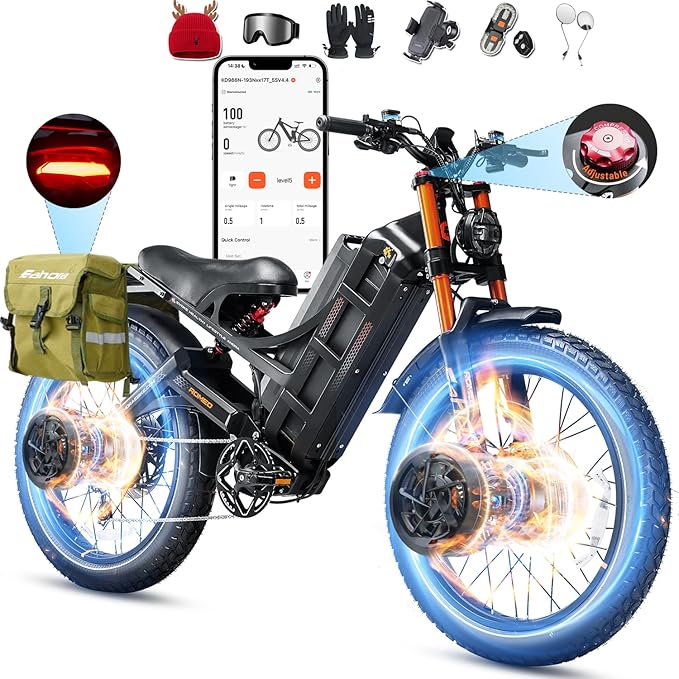
The TST 1500W fat tire e-bike represents a specific class of electric bicycles designed for power and all-terrain capability, not casual commuting. With its 20" fat tires and dual-battery potential, this model targets riders seeking off-road performance or tackling steep hills, where its 32MPH top speed and 60-100 mile range claims must be evaluated against real-world usage patterns.
Key Considerations Before Buying
- The 1500W peak motor is powerful but may exceed legal limits for public roads in many areas; verify local e-bike classifications which often cap motor output at 750W for Class 3.
- The 15Ah battery capacity is standard, but the 'single/dual' removable option is key—dual batteries double weight and cost but are essential for approaching the advertised 100-mile range.
- 20" fat tires provide stability on sand or snow but create more rolling resistance on pavement, directly impacting the achievable range versus the manufacturer's estimates.
What Our Analysts Recommend
For a bike in this performance tier, scrutinize the frame construction (aluminum alloy is standard) and the brand's documentation on water resistance for the motor and battery compartment. Genuine quality indicators include specifics about the brake system (hydraulic disc brakes are essential for these speeds) and the warranty coverage for the motor and battery, which are the most expensive components to replace.
Electric Bicycles Market Context
Market Overview
The high-power (1000W+) fat tire e-bike market is crowded, with many brands competing on peak power and range claims that often don't reflect real-world riding with hills, wind, and rider weight. These bikes sit in a regulatory gray area between bicycles and electric mopeds.
Common Issues
Buyers frequently report that actual range falls 30-40% short of advertised figures, especially when using the highest pedal-assist or throttle-only modes. Other common pain points include proprietary charging systems, vague instructions for the dual-battery setup, and difficulty finding local shops willing to service direct-to-consumer brands.
Quality Indicators
Beyond specs, look for detailed component lists—a branded gear system (like Shimano) and name-brand brakes (Tektro, Shimano) signal better assembly. A UL-certified battery is a critical safety indicator often missing from budget models, reducing fire risk.
Review Authenticity Insights
Grade B Interpretation
A 'Grade B' with an estimated 15% fake review rate suggests generally reliable feedback but warrants caution. For this TST model, it means most of the 5-star reviews are likely genuine, but the perfect 5.00 average is artificially high; the adjusted 4.60 rating is a more realistic benchmark.
Trust Recommendation
Prioritize the reviews that discuss specific use cases, like hill climbing performance or battery swap procedures, over those just praising 'power' or 'speed.' Given the low verified purchase rate (20%), seek out long-term ownership updates in the Q&A section or on independent cycling forums for durability insights.
Tips for Reading Reviews
For high-power e-bikes, pay special attention to reviews that mention rider weight, terrain, and assist level used to achieve their range. Reviews noting assembly challenges or customer service interactions are particularly valuable for direct-to-consumer brands like TST.
Expert Perspective
The TST bike's specifications position it as a capable, high-torque machine for off-road enthusiasts or heavy riders, but its value hinges on build quality and real-world performance. The high adjusted rating (4.60) from a small review pool is promising but not conclusive for long-term reliability. The dual-battery option is a significant advantage for achieving usable long range, but it turns the bike into a heavy, 70+ lb system.
Purchase Considerations
Consider if you truly need 1500W of peak power—750W-1000W models often provide ample torque at a lower cost and with fewer regulatory concerns. Factor in the cost and weight of a second 15Ah battery ($300-$500) if you plan to approach the 100-mile range claim. Assess your mechanical aptitude, as assembly and maintenance of direct-to-consumer bikes often falls on the owner.
Comparing Alternatives
Shoppers should compare the TST's price-per-watt and warranty terms against established brands like Rad Power Bikes or Himiway, which may offer more developed customer support networks.