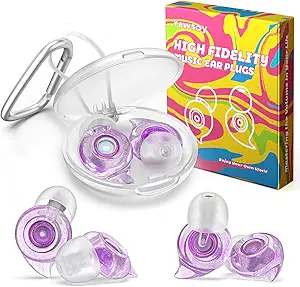
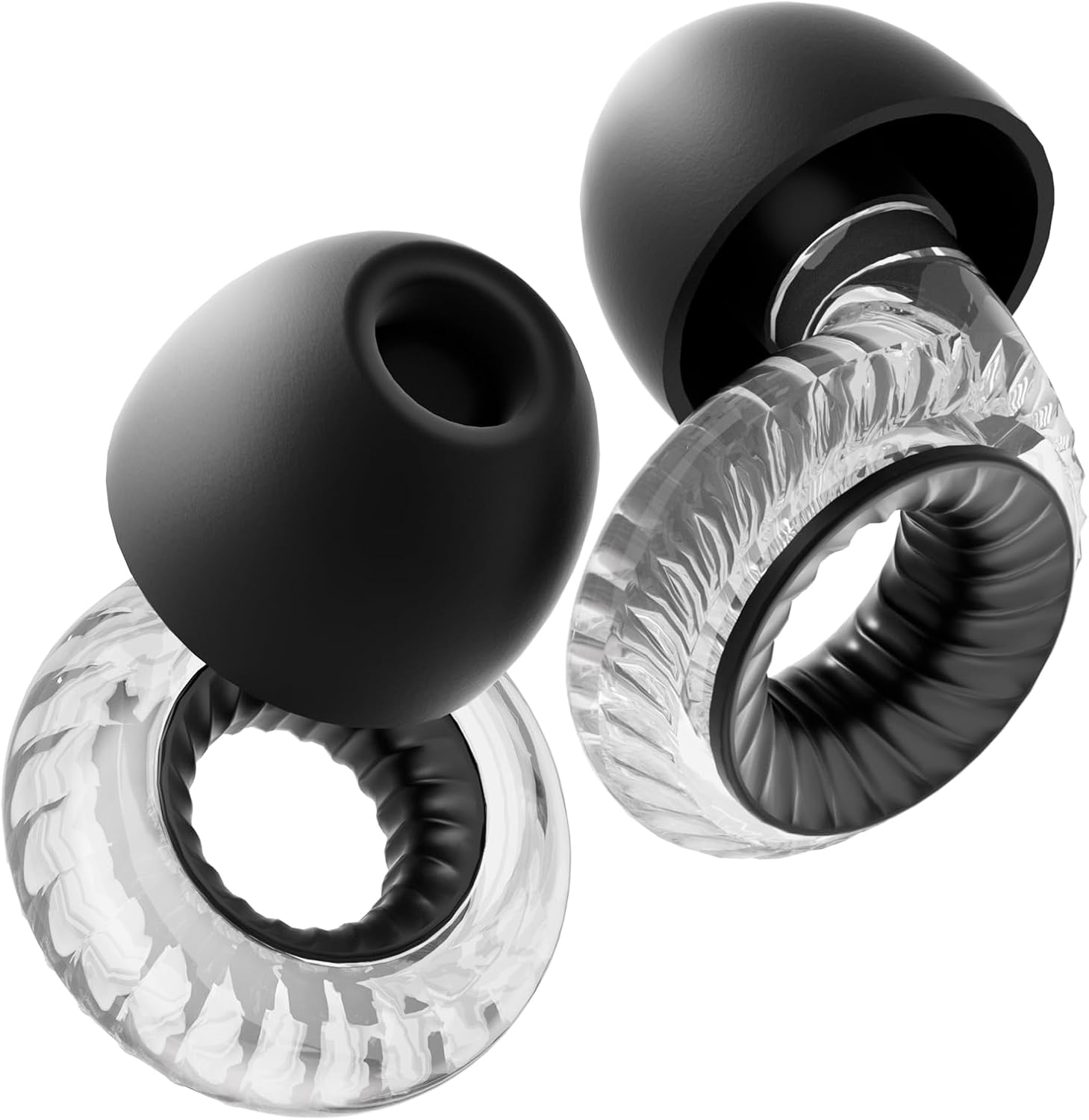
Choosing 45dB Silicone Earplugs: Comfort, Seal, and Reusable Value
When evaluating these specific 45dB noise-canceling silicone earplugs, focus on how the 8 included eartips address individual ear canal variations—a critical factor for achieving the advertised noise reduction during sleep or concerts. Unlike disposable foam plugs, reusable silicone models like these require proper insertion technique and maintenance to preserve their noise-blocking effectiveness over time.
Key Considerations Before Buying
- The 45dB Noise Reduction Rating (NRR) is a laboratory maximum; real-world blocking of snoring or travel noise depends heavily on achieving a perfect seal with the correct eartip size.
- Silicone construction offers durability for repeated use but can transfer more vibration than foam if not properly fitted, potentially making low-frequency sounds like snoring still perceptible.
- The included travel case indicates intended portability, but silicone earplugs require regular cleaning to prevent ear infections, adding a maintenance consideration foam plugs avoid.
What Our Analysts Recommend
Quality silicone earplugs should maintain their shape after compression and return to form without permanent deformation. Examine reviews mentioning long-term comfort over 6-8 hours of sleep, as pressure points from ill-fitting silicone can cause pain that foam's conforming nature avoids. The variety of eartip sizes (8 pairs here) is a strong indicator the manufacturer acknowledges fit variability.
Earplugs Market Context
Market Overview
The reusable earplug market is increasingly segmented, with silicone models like this one competing against advanced foam, wax, and custom-molded options, each trading off comfort, noise reduction, and convenience. Consumers now expect features like carrying cases and multiple tip sizes, which were once premium differentiators.
Common Issues
Users frequently report silicone earplugs falling out during sleep due to jaw movement or causing ear canal soreness from their firmer structure compared to memory foam. Another common complaint is 'occlusion effect,' where the wearer's own bodily sounds (like heartbeat or chewing) become amplified, which is more pronounced with well-sealed silicone plugs.
Quality Indicators
Beyond the NRR rating, assess the silicone's density—softer blends conform better but may offer slightly less attenuation. Look for mentions of the stem or handle design; a good grip aids proper insertion, which is essential for achieving the rated protection. Packaging that educates on insertion technique (rolling, pulling the ear) often correlates with better real-world performance.
Review Authenticity Insights
Grade B Interpretation
A Grade B with a 15% estimated fake review rate suggests generally reliable feedback, but shoppers should be slightly more critical of overly effusive 5-star reviews lacking specific usage context. The adjusted rating of 4.20/5 (down from 4.50) indicates the authentic experiences are very positive but not perfect.
Trust Recommendation
Prioritize reviews that detail specific scenarios like 'blocking my partner's snoring' or 'used during a cross-country flight,' as these contain the situational details genuine users provide. Be wary of reviews that only praise the packaging or delivery speed without commenting on actual noise reduction or comfort during extended wear.
Tips for Reading Reviews
For earplugs, pay particular attention to 3- and 4-star reviews, which often provide balanced assessments of trade-offs, such as 'great noise blocking but uncomfortable after 4 hours.' Look for mentions of the specific eartip sizes used, as this indicates a reviewer who engaged with the product's customization features.
Expert Perspective
This product's profile—a 45dB NRR silicone plug with an 8-tip kit—positions it as a versatile, value-oriented reusable option. The strong adjusted rating of 4.20/5 from authentic reviews signals that, for most buyers, it delivers on core promises of noise reduction and comfort. The silicone material makes it a sustainable choice versus disposable foam, but it demands proper hygiene. The authenticity grade suggests the positive reception is likely genuine, though the product may have minor fit or comfort issues for a subset of users, as reflected in the rating adjustment.
Purchase Considerations
Consider your primary use case: silicone plugs excel for side-sleepers who need a low-profile design and for travel where reusability is convenient, but they may not block low-frequency rumbles (like airplane engines) as effectively as high-density foam. The value proposition hinges on using multiple tip sizes to find your perfect seal.
Comparing Alternatives
Shoppers sensitive to pressure should compare with tapered foam plugs, while those needing maximum attenuation for irregular noises might consider molded wax options.