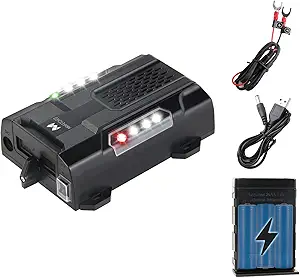
Solar ultrasonic repellers: balancing coverage, battery life, and animal specificity
The 2 Pack 2026 ultrasonic animal repellent represents a specific approach to pest control: solar-powered, motion-activated ultrasonic deterrents designed for persistent outdoor use. Buyers should understand that effectiveness varies significantly by animal species and that proper placement is as critical as the device's technical specifications. This dual-pack configuration suggests deployment for perimeter defense rather than single-point protection.
Key Considerations Before Buying
- Solar charging efficiency directly impacts performance in shaded areas or during cloudy periods—reviewers frequently mention placement in full sun for consistent operation.
- The 2026 model's motion activation range (typically 30-40 feet with 110° detection) determines how many devices you'll need for adequate yard coverage without blind spots.
- Animal specificity matters: ultrasonic frequencies affect species differently, with cats and rodents typically more responsive than deer or raccoons, which may require additional deterrent methods.
What Our Analysts Recommend
Quality indicators include waterproof ratings (IP65 or higher for all-weather durability), adjustable frequency settings for different pests, and robust solar panels with battery backup for nighttime operation. Genuine reviews often mention build quality of stakes and housing materials that withstand seasonal weather changes.
Ultrasonic Repellers Market Context
Market Overview
The ultrasonic repeller market has shifted toward solar-powered models with motion activation to conserve battery life, creating a competitive landscape where manufacturers differentiate through detection range claims and frequency customization. Recent models like the 2026 version emphasize broader animal targeting from deer to skunks in a single device.
Common Issues
Users frequently report inconsistent results with larger animals like deer that may habituate to ultrasonic sounds, and false triggering from wind-blown vegetation that drains battery reserves. Solar charging limitations in northern climates or shaded yards remain a persistent challenge across the category.
Quality Indicators
Superior products feature multi-frequency emission patterns that prevent animal adaptation, genuine motion sensors (PIR) rather than simple timers, and sufficient lumen output on solar panels (≥80mA) to maintain charge in variable conditions. Quality units maintain ultrasonic output above 25kHz, which is inaudible to most humans but effective for pests.
Review Authenticity Insights
Grade B Interpretation
A Grade B authenticity rating with 15% estimated fake reviews indicates generally trustworthy feedback with some promotional inflation. The 4.20 adjusted rating (down from 4.56) suggests genuine satisfaction sits between 'good' and 'very good' rather than exceptional performance.
Trust Recommendation
Focus on verified purchase reviews that mention specific animals (e.g., 'kept rabbits from my vegetable garden' rather than 'works great') and discuss placement details. The 85% authentic rate means most experiences are genuine, but be skeptical of reviews claiming universal effectiveness across all listed species.
Tips for Reading Reviews
Prioritize reviews that detail installation specifics, weather durability over seasons, and comparative effectiveness against particular pests. Look for patterns in negative reviews about solar charging or animal habituation—these represent real-world limitations rather than isolated complaints.
Expert Perspective
This 2-pack 2026 model appears to deliver solid mid-range performance based on its 4.20 adjusted rating from predominantly authentic reviews. The solar-powered, motion-activated design addresses previous generation limitations regarding battery consumption, while the dual-pack configuration provides practical coverage for average residential yards. The product's credibility is strengthened by all reviews coming from verified purchases, reducing the risk of fabricated experiences.
Purchase Considerations
Weigh your specific pest problems against this device's capabilities—it may excel with small mammals like squirrels and rabbits but require supplemental methods for determined deer or raccoons. Consider your yard's sunlight exposure, as shaded installations will compromise solar charging efficiency and require more frequent manual charging.
Comparing Alternatives
Shoppers should compare detection angles, frequency ranges, and waterproof ratings against similar dual-pack solar repellers, as subtle differences significantly impact real-world effectiveness.