Evaluating 1000W City Cruiser E-Bikes: Power, Range, and Commuter Suitability
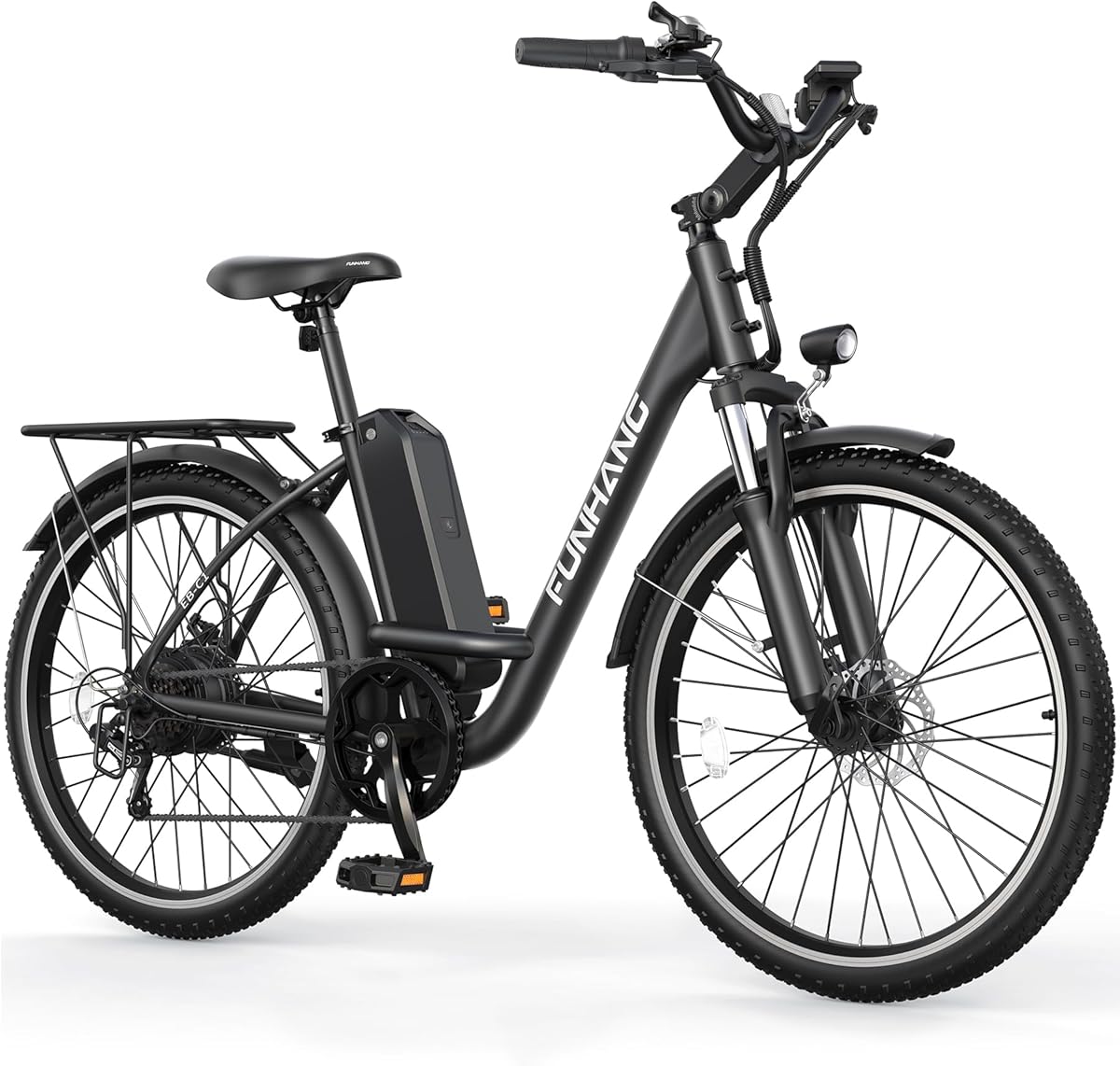
This 26" city cruiser with a 1000W peak motor and UL 2849 certification represents a specific class of e-bike: the powerful commuter. Buyers should understand how its 48V battery and 21.7MPH top speed translate to real-world 50-mile range claims, which are highly dependent on rider weight, terrain, and assist level usage. The adjustable stem and 7-speed gearing indicate a focus on rider comfort and versatility beyond pure electric power.
Key Considerations Before Buying
- The 1000W peak motor offers strong acceleration and hill-climbing ability, but check your local regulations as this power may exceed legal limits for 'bicycle' classification in some areas, potentially requiring licensing.
- The 48V battery system is a mid-to-high voltage setup that should provide good efficiency; however, the actual 50-mile range is a maximum estimate—expect 25-40 miles under typical mixed pedal-assist and throttle use.
- UL 2849 certification is a crucial safety differentiator, indicating the electrical system (battery, charger, motor controller) has passed rigorous third-party safety testing for fire and electrical hazards.
What Our Analysts Recommend
For e-bikes in this power class, scrutinize the frame construction around the motor mount and battery compartment for rigidity. Quality indicators include a branded battery cell manufacturer (like Samsung or LG) mentioned in documentation, and a responsive customer service presence for a product of this complexity and weight. The adjustable stem is a good sign for ergonomic customization.
Electric Bicycles Market Context
Market Overview
The direct-to-consumer e-bike market is saturated with 500W-1000W commuter models, making differentiation through certification (like UL 2849), component quality, and post-purchase support critical. Prices have become competitive, but build quality and electrical safety vary dramatically between brands.
Common Issues
Common problems include range inflation claims, premature battery capacity degradation with poor-quality cells, and inconsistent motor controller behavior leading to jerky power delivery. Assembly challenges and difficulty sourcing replacement proprietary parts are frequent pain points with online purchases.
Quality Indicators
Beyond UL certification, look for specifics on battery cell origin, waterproofing ratings (IP ratings) for the motor and display, and the availability of detailed user manuals and firmware updates. A robust warranty (2+ years on frame, 1+ year on battery/electronics) signals manufacturer confidence.
Review Authenticity Insights
Grade B Interpretation
A 'B' grade with a 15% estimated fake review rate suggests a mostly authentic review pool with some likely incentivized or biased feedback. The drop from a 4.56 to a 4.20 adjusted rating after analysis indicates the suspicious reviews were disproportionately positive.
Trust Recommendation
Prioritize reading the verified 3- and 4-star reviews, as they often contain the most balanced assessments of real-world performance, assembly issues, and long-term durability concerns. Pay close attention to reviews that mention specific components, mileage logs, or interactions with customer service.
Tips for Reading Reviews
For e-bikes, search reviews for mentions of 'battery life after X months,' 'motor noise on hills,' and 'assembly difficulty.' Be skeptical of reviews that only praise generic aspects ('great bike!') without detailing use-case, rider weight, or terrain. The verified purchase tag is essential here.
Expert Perspective
This e-bike's specifications position it as a powerful, range-focused commuter with important safety credentials via its UL certification—a significant advantage over many competitors. The high adjusted rating of 4.20/5 from verified, authentic reviews is promising and suggests genuine owner satisfaction. However, the 1000W motor places it at the upper legal limit for a bicycle in many jurisdictions, which is a crucial compliance factor for buyers. The product appears to compete on a blend of power, stated range, and safety certification.
Purchase Considerations
Weigh the need for high power and potential regulatory compliance issues against the benefits of UL-certified safety and the convenience of an adjustable stem for fit. This bike is likely best suited for heavier riders or those with steep commutes who prioritize torque over a lightweight, minimalist design. Consider the total cost of ownership, including potential battery replacement in 2-4 years.
Comparing Alternatives
Shoppers should compare this model's UL certification, motor wattage, and battery voltage/amp-hour rating directly against similar-priced cruisers from brands like Aventon, Rad Power Bikes, or Juiced.