
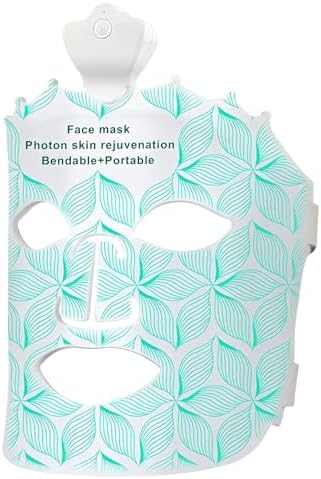
Evaluating the Yahi KALA-01 LED Mask: What First-Time Light Therapy Buyers Should Know
The Yahi Red Light Face Mask (KALA-01) enters a crowded market of at-home LED therapy devices with its 7-color offering. As a new product with zero reviews, understanding its specific wavelength claims, treatment protocols, and safety features becomes paramount before considering purchase. Unlike established brands, this device lacks the user feedback that typically guides decisions in the light therapy category.
Key Considerations Before Buying
- The '7-Color' claim requires scrutiny: verify if the manufacturer specifies the exact wavelengths (in nanometers) for each color, as therapeutic efficacy for skin concerns like acne (blue) or anti-aging (red) depends on precise, clinically-studied ranges.
- Assess the mask's fit and comfort design: a flexible, contoured silicone construction that blocks ambient light is essential for consistent treatment, especially for a full-face device like the KALA-01.
- Examine the proposed treatment protocols: legitimate devices provide clear guidance on session duration (typically 10-20 minutes) and frequency, as overuse can be ineffective or cause irritation.
What Our Analysts Recommend
For a device like the Yahi mask, prioritize manufacturers that disclose FDA registration status (often as a Class II medical device for acne) and provide technical specifications like irradiance (mW/cm²). Quality is also indicated by a medical-grade silicone mask that is easy to clean and a timer with automatic shut-off for safety.
Light Therapy Market Context
Market Overview
The at-home LED light therapy mask market has exploded, ranging from high-end, clinically-backed devices to budget-friendly, general wellness tools. The Yahi KALA-01 positions itself with a multi-color feature set, competing directly with masks offering similar spectral versatility. Consumer interest is driven by promises of non-invasive skincare, but clinical results vary significantly with device quality.
Common Issues
Buyers frequently report inconsistent results from cheaper masks due to insufficient light intensity (low irradiance) or incorrect wavelengths. Other complaints include poor mask fit that allows light leakage, uncomfortable rigid designs, and unclear instructions that lead to misuse. Durability of the LEDs and battery life are also recurring concerns.
Quality Indicators
Beyond brand reputation, look for transparent technical specs: LED count (not always correlating to quality), wavelength accuracy (±5nm), and irradiance data. A quality device will have safety certifications (like CE or RoHS) and may reference specific, published studies on light therapy for the conditions it targets.
Review Authenticity Insights
Grade U Interpretation
The 'Grade U' and 0.00% fake review rate for the Yahi mask indicate a complete absence of verified customer feedback, not a clean bill of health. This 'Unrated' status means there is no authentic user data to assess real-world performance, comfort, or durability—common pain points for light therapy devices.
Trust Recommendation
Given the zero-review status, you must rely entirely on the manufacturer's claims and specifications. Scrutinize the product listing for detailed technical data and look for the Yahi brand's presence outside Amazon (e.g., a professional website, customer service contacts) to gauge legitimacy before being a first purchaser.
Tips for Reading Reviews
For light therapy masks, prioritize reviews that discuss specific outcomes over time (e.g., 'reduced redness after 3 weeks of daily use') and mention practical details like battery life, strap comfort, and customer service experience. Be wary of reviews that sound like promotional copy or only praise unboxing.
Expert Perspective
The Yahi KALA-01 presents a classic 'buyer beware' scenario in the LED mask space. As a new entrant with no review history, its value proposition rests solely on its specifications and price point against proven competitors. The 7-color functionality is appealing for targeting multiple concerns, but without user testimonials, its practical efficacy, build quality, and long-term reliability are complete unknowns. The 0.00 rating underscores that you would be an early adopter without a community feedback buffer.
Purchase Considerations
Weigh the potential cost savings of an unreviewed product against the risk of it being ineffective. Consider if the manufacturer offers a robust return policy to mitigate this risk. For a skincare investment, proven consistency often outweighs speculative features. Your decision should hinge on your risk tolerance and how much you value established user experiences.
Comparing Alternatives
Shoppers should compare the Yahi mask's specs and price directly against established models from brands like CurrentBody, Dr. Dennis Gross, or Project E to contextualize its offering.


