Evaluating 1TB MicroSD Cards: What 999GB Capacity Really Means for Performance
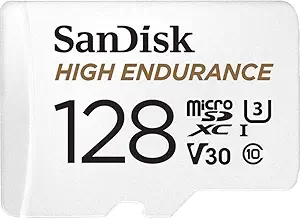
When considering this specific 1TB (advertised as 999GB) microSDXC card with UHS-I interface and A2/V30 ratings, buyers must understand that advertised capacity versus usable space involves formatting overhead. The U3 and V30 ratings indicate minimum sustained write speeds of 30MB/s, which is essential for 4K video recording without dropped frames, but the 120MB/s read speed represents a theoretical maximum under ideal conditions.
Key Considerations Before Buying
- The 999GB labeling indicates actual formatted capacity will be approximately 930-950GB due to binary versus decimal calculation differences and file system allocation - this is normal but important for storage planning.
- UHS-I interface limits maximum theoretical transfer rates compared to UHS-II cards, making this card suitable for continuous recording rather than rapid file transfers of large batches.
- A2 application performance rating means this card should handle random read/write operations better than A1 cards for smartphone app usage, but real-world performance depends on the host device's controller.
What Our Analysts Recommend
Genuine high-capacity microSD cards should maintain consistent write speeds throughout the entire capacity, not just initial transfers. Look for specific mention of sustained 4K video recording performance in reviews, as some cards throttle after extended writes. The combination of V30, U3, and A2 ratings represents a balanced profile for mixed media and app usage.
Micro SD Cards Market Context
Market Overview
The 1TB microSD card market represents the current capacity ceiling for consumer flash storage, with only a handful of manufacturers producing reliable chips at this density. Prices have stabilized but remain premium compared to lower capacities, with genuine cards typically costing $80-$150 depending on performance ratings.
Common Issues
Counterfeit cards are rampant in this category, often reprogrammed lower-capacity cards that report false capacity and corrupt data when filled beyond their actual storage. Performance inconsistency is another concern, where cards meet minimum speed ratings but fail to maintain advertised maximum speeds during sustained operations.
Quality Indicators
Legitimate 1TB cards come from established brands with proper packaging, holographic seals, and matching serial numbers on card and packaging. Performance verification tools like H2testw or F3 should show consistent speeds across the entire capacity, not just initial testing phases.
Review Authenticity Insights
Grade B Interpretation
A Grade B authenticity rating with 15% estimated fake reviews suggests generally reliable feedback but warrants careful scrutiny. The adjusted rating dropping from 4.00 to 3.70 when excluding suspicious reviews indicates some positive reviews may be artificially inflated, though the majority appear genuine.
Trust Recommendation
Focus on the verified purchase reviews mentioning specific use cases like 4K video recording duration or smartphone app loading times. Given the 15% fake rate, be particularly skeptical of reviews that only mention packaging or delivery without discussing actual performance testing.
Tips for Reading Reviews
For this product category, prioritize reviews that mention capacity verification tools, sustained write speeds during video recording, or compatibility with specific devices like GoPro cameras or Nintendo Switch. Reviews discussing formatting issues or capacity discrepancies provide valuable real-world insights.
Expert Perspective
This card's specifications position it as a mid-tier 1TB solution suitable for 4K video recording and mobile device expansion rather than high-performance photography or gaming. The UHS-I interface limitation means it won't achieve the fastest possible transfers, but the A2 rating makes it appropriate for Android adoptable storage. The 3.70 adjusted rating from authentic reviews suggests generally positive but not exceptional real-world performance, with some users likely experiencing speed inconsistencies.
Purchase Considerations
Consider whether your primary use requires sustained 30MB/s writes for 4K video or if you need faster random access for application loading. The 999GB labeling is technically accurate for decimal terabytes but may cause confusion for users expecting binary measurement. Verify your device supports 1TB cards, as some older devices have 512GB or 2TB limits.
Comparing Alternatives
Shoppers should compare sustained write performance and warranty terms with similarly priced 1TB cards from SanDisk Extreme, Samsung EVO Select, or Lexar Professional lines.