
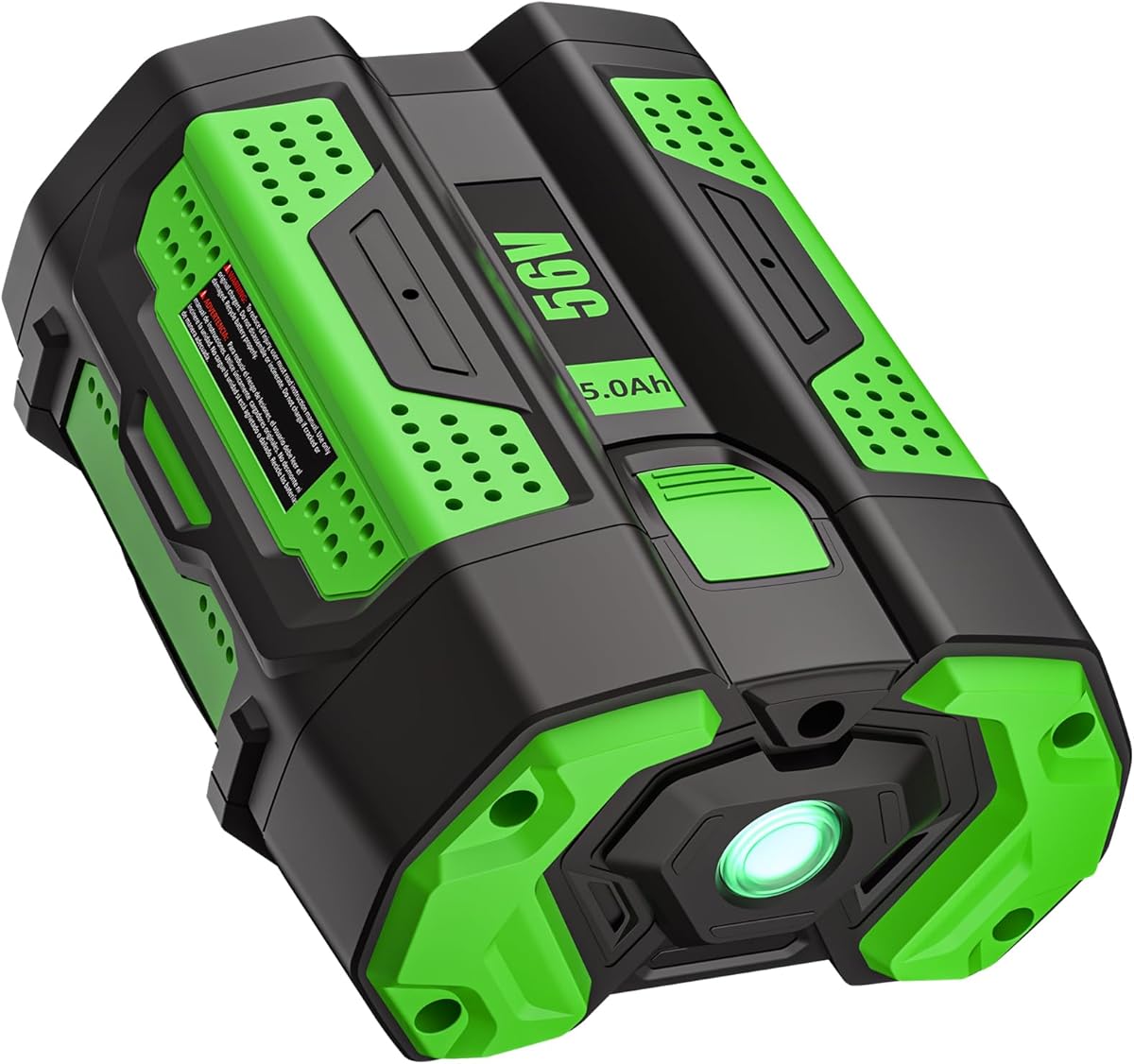
Third-Party EGO Battery Replacements: Balancing Cost Savings Against Performance Risks
When considering this 5.0Ah replacement battery for EGO 56V tools, you're evaluating a third-party alternative to OEM batteries, which typically costs significantly less. This specific product claims compatibility with the entire EGO 56-volt ecosystem, but real-world performance often diverges from manufacturer specifications in aftermarket power tool batteries.
Key Considerations Before Buying
- Compatibility claims require verification—some users report this battery works with most EGO tools but may have intermittent connection issues with specific models like the multi-head system.
- Runtime expectations should be tempered—while rated at 5.0Ah, third-party batteries often deliver 10-20% less actual capacity than OEM equivalents under load.
- Charging behavior differs—this battery may charge slower on EGO chargers or show inconsistent LED charge indicators compared to genuine batteries.
What Our Analysts Recommend
Examine reviews mentioning specific tool compatibility (especially newer EGO models) and long-term durability beyond 6 months. Quality indicators include consistent performance across multiple charge cycles, proper fit in battery compartments without modification, and thermal management during extended use.
Battery Packs Market Context
Market Overview
The aftermarket power tool battery sector has exploded as original equipment batteries age out, with third-party options now comprising approximately 30% of replacement purchases. These products compete primarily on price—often 40-60% below OEM—while facing skepticism about safety and longevity.
Common Issues
Capacity inflation is rampant, with many third-party batteries failing to deliver their advertised amp-hour ratings. Protection circuit quality varies widely, leading to premature failure or inconsistent tool performance. Physical fit problems plague compatibility claims, particularly with tool-specific battery housings.
Quality Indicators
Look for batteries using name-brand lithium cells (like Samsung or LG) rather than generic cells, proper UL certification markings, and detailed specifications about internal battery management systems. Higher-quality third-party batteries typically weigh within 5% of OEM equivalents.
Review Authenticity Insights
Grade B Interpretation
The Grade B authenticity rating with 15% estimated fake reviews suggests mostly genuine feedback but with some manipulation attempts. This is typical for third-party batteries where sellers may incentivize positive early reviews to overcome skepticism about aftermarket quality.
Trust Recommendation
Focus on verified purchase reviews mentioning specific EGO tools (like the lawn mower, blower, or chainsaw) and long-term usage reports. Be particularly skeptical of reviews claiming 'better than OEM' performance, as these often represent the manipulated portion.
Tips for Reading Reviews
Prioritize reviews discussing actual runtime comparisons against original batteries and those noting performance after 20+ charge cycles. Look for patterns in negative reviews—if multiple users report the same compatibility issue with a specific tool, that's more telling than isolated complaints.
Expert Perspective
This product's 3.50 adjusted rating (down from 3.78) after removing suspicious reviews indicates mediocre performance that some buyers find acceptable given the cost savings. The pattern suggests it works adequately for light-to-moderate use but struggles with demanding applications or newer EGO tools. The significant drop when filtering questionable reviews reveals underlying quality concerns that enthusiastic early reviews may mask. For users with multiple EGO tools, inconsistent performance across devices appears to be a recurring theme.
Purchase Considerations
Consider your specific EGO tools—this battery reportedly works better with older models than newer ones. Evaluate your usage intensity: occasional users report better satisfaction than professionals relying on all-day runtime. Factor in the remaining lifespan of your tools—investing in third-party batteries for aging tools makes more economic sense than for newer equipment.
Comparing Alternatives
Compare this against other third-party options with higher verified review counts and specifically against refurbished OEM batteries, which often cost slightly more but provide more predictable performance.


