
Choosing a 240W USB-C Cable: What Matters for Fast Charging and Device Compatibility
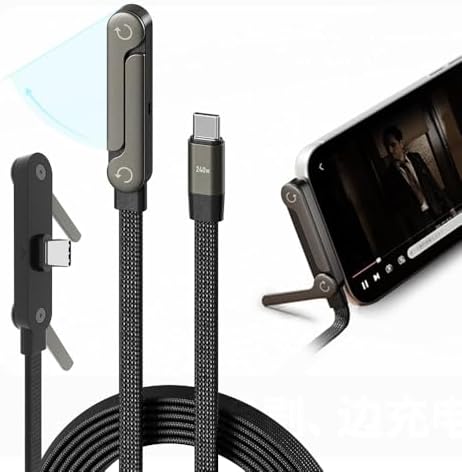
The NKV cable combines several niche features—240W power delivery, a flat 'invisible stand' design, and right-angle connectors—that appeal to specific user needs. When evaluating this cable, you're not just buying a charging cord but a specialized accessory designed for clean setups and high-power devices.
Key Considerations Before Buying
- Verify your device's maximum charging wattage; while this cable supports 240W, your phone or laptop may only draw 45W or 65W, making the extra capacity future-proofing rather than an immediate benefit.
- The right-angle connector and flat cable profile are designed for discreet routing behind furniture or in wall-mounted setups, but may create awkward angles if your charging port is in an unconventional location.
- Check for USB-IF certification (not mentioned in NKV's listing), which guarantees compliance with USB-C standards for safety and performance, especially critical at 240W power levels.
What Our Analysts Recommend
For high-wattage cables, examine reviews mentioning consistent charging speeds with specific devices like MacBook Pros or gaming laptops. Look for mentions of E-Marker chip functionality, which enables the 240W power negotiation. Physical indicators include reinforced stress points at connector joints and clear wattage/amperage labeling on the cable itself.
USB Cables Market Context
Market Overview
The USB-C cable market is currently fragmented between basic charging cables, high-speed data cables, and now 240W-capable cables following USB PD 3.1 standards. Many brands exaggerate compatibility claims, particularly regarding newer iPhone and Samsung Galaxy models that have specific power requirements.
Common Issues
Cables claiming 240W capability often fail to maintain stable power delivery under load, leading to intermittent charging. Flat cable designs can be prone to kinking and internal wire damage if bent repeatedly at sharp angles. Right-angle connectors sometimes conflict with phone cases or docking stations.
Quality Indicators
Genuine 240W cables should maintain consistent voltage (up to 48V) without overheating during extended use. Quality manufacturers use thicker 20AWG or lower gauge wires for power transmission lines. Look for mention of 5A or 240W testing in detailed reviews rather than just marketing claims.
Review Authenticity Insights
Grade B Interpretation
A Grade B authenticity rating with 15% estimated fake reviews suggests generally reliable feedback with some artificial boosting. The 0.32-point drop from the displayed 4.22 to adjusted 3.90 rating indicates moderate review manipulation, common in competitive cable categories.
Trust Recommendation
Focus on verified purchase reviews mentioning specific device testing, particularly with high-wattage laptops or the mentioned iPhone 17/S25 Ultra models. Be skeptical of reviews that only praise packaging or generic 'fast charging' without technical details.
Tips for Reading Reviews
Prioritize reviews that discuss actual charging speeds with wattage meters or specific device combinations. Look for mid-range (3-4 star) reviews that typically provide balanced assessments of the flat design's practicality versus durability concerns.
Expert Perspective
The NKV cable presents a specialized solution rather than a general-purpose USB-C cable. Its 240W rating exceeds most current smartphone needs but provides headroom for future devices and compatible laptops. The flat/right-angle design addresses specific aesthetic and installation concerns that standard round cables ignore. The adjusted 3.90 rating from verified purchases suggests satisfactory but not exceptional performance, with some users likely disappointed by compatibility issues despite the broad claims.
Purchase Considerations
This cable makes most sense for users who specifically need discreet cable routing behind mounted monitors or furniture while maintaining high-power charging capability. If you don't need the flat design or right-angle connector, standard round 100W cables often provide better value. Consider whether your devices actually support 240W charging—most current smartphones max out at 45W-65W.
Comparing Alternatives
Compare with Anker, Ugreen, or Cable Matters alternatives that offer USB-IF certification at similar price points, though often without the flat/right-angle combination.

![CONMDEX Android Auto USB Cable [Upgrade, 3ft, 2Pack] 10Gbps USB 3.1 Gen 2 USB A to USB C Data Transfer Type C Cord, 3A Fast Charging CarPlay Cable for iPhone 16 15 Pro Max, Galaxy S25 Ultra S25+](https://m.media-amazon.com/images/I/41vy0X7qsdL._SY445_SX342_QL70_FMwebp_.jpg)


