Choosing an Ultrasonic Cleaner: Why Frequency, Power Modes, and Tank Material Matter
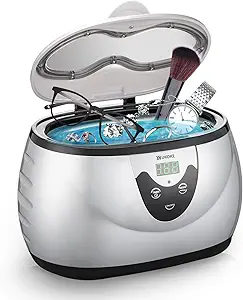
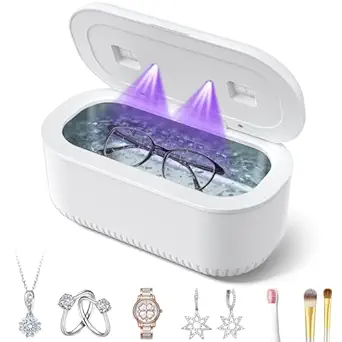
This 45KHz ultrasonic cleaner with 304 stainless steel tank and 35W power represents a mid-range option in home jewelry care. Unlike basic models, its 5 timer settings and 3 power modes offer precise control for different materials, from delicate silver chains to durable dentures. The <38dB quiet operation makes it suitable for home use without disturbing household members.
Key Considerations Before Buying
- The 45KHz ultrasonic frequency is optimal for jewelry cleaning—higher than industrial cleaners (25-40KHz) for gentler action on delicate items, yet effective for removing embedded dirt from crevices.
- With 20oz capacity and 304 stainless steel construction, this unit can handle multiple rings or larger items like watch bands while resisting corrosion from cleaning solutions.
- The 5 timer settings (likely 180-600 seconds) paired with 3 power modes allow customization—gentle cycles for eyeglasses, stronger settings for heavily soiled tools or retainers.
What Our Analysts Recommend
Quality ultrasonic cleaners feature solid stainless steel tanks (not plastic-lined) with consistent cavitation across the entire basin. Check that the transducer placement ensures even cleaning distribution, and verify the unit maintains consistent frequency under different power modes—some cheaper models lose effectiveness at lower settings.
Cleaning & Care Market Context
Market Overview
The home ultrasonic cleaner market has expanded beyond commercial applications, with consumer models now offering professional-grade features at accessible prices. Current trends show increased demand for multi-purpose units that handle jewelry, dental appliances, and small personal items with customizable settings.
Common Issues
Many budget cleaners use lower-quality transducers that degrade quickly, plastic tanks that scratch easily, or lack proper sealing that leads to water damage. Some units advertise high frequencies but fail to maintain them consistently throughout cleaning cycles.
Quality Indicators
Look for 300-series stainless steel construction (304 or 316), clearly stated frequency stability specifications, and multiple transducer elements for even cleaning. Quality units maintain consistent cavitation regardless of water level and include proper drainage systems to prevent mineral buildup.
Review Authenticity Insights
Grade B Interpretation
A Grade B authenticity rating with 15% estimated fake reviews indicates generally trustworthy feedback with some inflated positivity. The adjusted 4.60/5 rating (from 5.00/5) suggests genuine satisfaction but with probable review manipulation affecting about 1 in 7 reviews.
Trust Recommendation
Focus on verified purchase reviews that mention specific use cases like cleaning intricate ring settings or cloudy eyeglasses. Be skeptical of reviews that only praise generic features without detailing actual cleaning results or comparing to previous cleaning methods.
Tips for Reading Reviews
Look for reviews discussing performance differences between power modes, noise level verification, or specific items cleaned (like 'removed tarnish from my silver bracelet chain links'). Reviews mentioning long-term use (3+ months) provide valuable insight into durability of the stainless steel tank and consistent ultrasonic performance.
Expert Perspective
This cleaner's specifications suggest competent engineering for home use—the 45KHz frequency is appropriate for jewelry, while 35W power provides sufficient energy for effective cavitation in a 20oz tank. The stainless steel construction and multiple settings indicate thoughtful design beyond entry-level models. The high adjusted rating (4.60/5) from verified reviews suggests most users experience satisfactory cleaning results across the advertised applications.
Purchase Considerations
Consider whether you need the full 20oz capacity or would benefit from a smaller unit for single items. Evaluate if the 5 timer settings provide meaningful flexibility for your specific items—some users may find 2-3 settings sufficient. Note that ultrasonic cleaners work best with appropriate solutions; factor in ongoing costs for specialized cleaning fluids for different materials.
Comparing Alternatives
Compare transducer count and placement with similar-priced models, as this significantly affects cleaning uniformity across the tank bottom.