
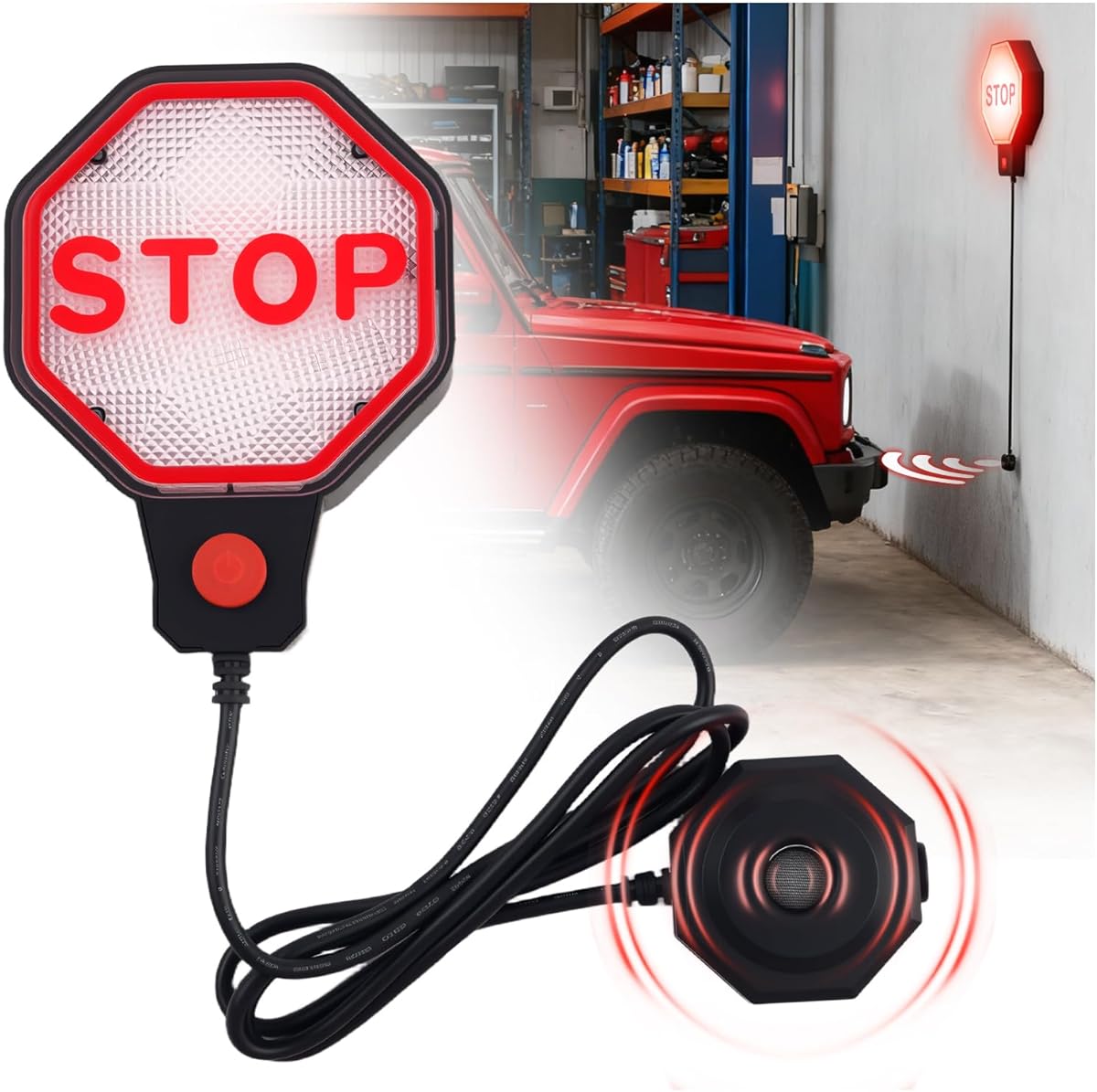
Choosing a Dual-Power Garage Parking Sensor with LED Visual Guidance
This specific LED parking aid combines visual distance feedback with flexible power options, distinguishing it from basic hanging tennis balls or single-beam laser guides. Buyers should evaluate its adjustable sensor arm, three-color LED display system, and dual power capability (battery and USB) against their garage's specific dimensions and lighting conditions.
Key Considerations Before Buying
- Assess your garage floor slope and vehicle approach angle, as the sensor's adjustable arm must align precisely with your bumper's height for accurate detection.
- Consider ambient light levels; the red/yellow/green LED display must be bright enough to be visible in both daytime and nighttime garage conditions.
- Evaluate power convenience—the dual-power design offers battery backup but requires checking USB cable length for your outlet placement.
What Our Analysts Recommend
Quality indicators include a robust, vibration-resistant sensor arm mount that won't shift from garage door operation, and LEDs with distinct, non-bleeding color separation. Look for mention of consistent detection range (typically 4-8 feet) in verified reviews, as inconsistent triggering is a common failure point.
Parking Gadgets Market Context
Market Overview
The garage parking aid market has evolved from simple hanging guides to electronic sensors with visual or auditory feedback, with LED display units like this one representing the current mid-tier segment. Demand is driven by homeowners with tight garage spaces, expensive vehicles, or inconsistent parking depth needs.
Common Issues
Cheap sensors suffer from false triggers due to temperature changes or garage door vibrations, while poorly designed LED displays can wash out in sunlight or provide ambiguous color transitions. Battery-only units often fail in cold temperatures, making dual-power a practical advantage.
Quality Indicators
Superior products feature solid-state infrared or ultrasonic sensors (not simple motion detectors), have adjustable sensitivity controls, and use automotive-grade LEDs rated for temperature extremes. Mounting hardware should be substantial, not flimsy plastic brackets.
Review Authenticity Insights
Grade B Interpretation
A Grade B authenticity rating with an estimated 10% fake review rate suggests generally reliable feedback, but requires careful scrutiny of overly vague 5-star reviews. The 4.30 adjusted rating (down from 4.50) indicates minor review inflation, but still reflects positive reception.
Trust Recommendation
Prioritize reviews mentioning specific installation details, sensor adjustment experiences, or long-term performance over several months. Verified purchase reviews discussing the USB vs. battery power performance are particularly valuable for this dual-power model.
Tips for Reading Reviews
For this product category, focus on reviews describing actual installation challenges (mounting surface, wire routing), LED visibility from the driver's seat, and consistency of the yellow warning zone detection. Be skeptical of reviews that don't mention the three-color system specifically.
Expert Perspective
This product's combination of visual LED guidance and dual-power flexibility addresses key weaknesses of simpler parking aids. The 4.30 adjusted rating from verified purchasers suggests it performs its core function well, though the limited review count (7 total) means long-term reliability data is sparse. The three-color system provides more nuanced feedback than binary stop/go devices, which is valuable for different vehicle lengths.
Purchase Considerations
Weigh the convenience of the visual display against your garage's layout—if your parking spot has obstructions blocking direct view of the unit, its primary advantage is lost. Consider whether you need the battery backup feature or if a wired-only unit would suffice, as battery compartments can introduce maintenance issues.
Comparing Alternatives
Shoppers should compare this LED display model with laser projection guides and simple hanging guides, considering their preferred feedback method and installation complexity.


