Choosing a Rechargeable Card Shuffler: What Matters for Home Game Nights
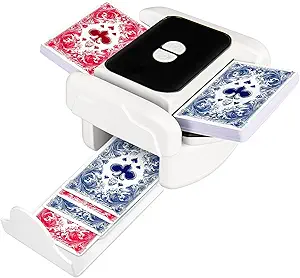
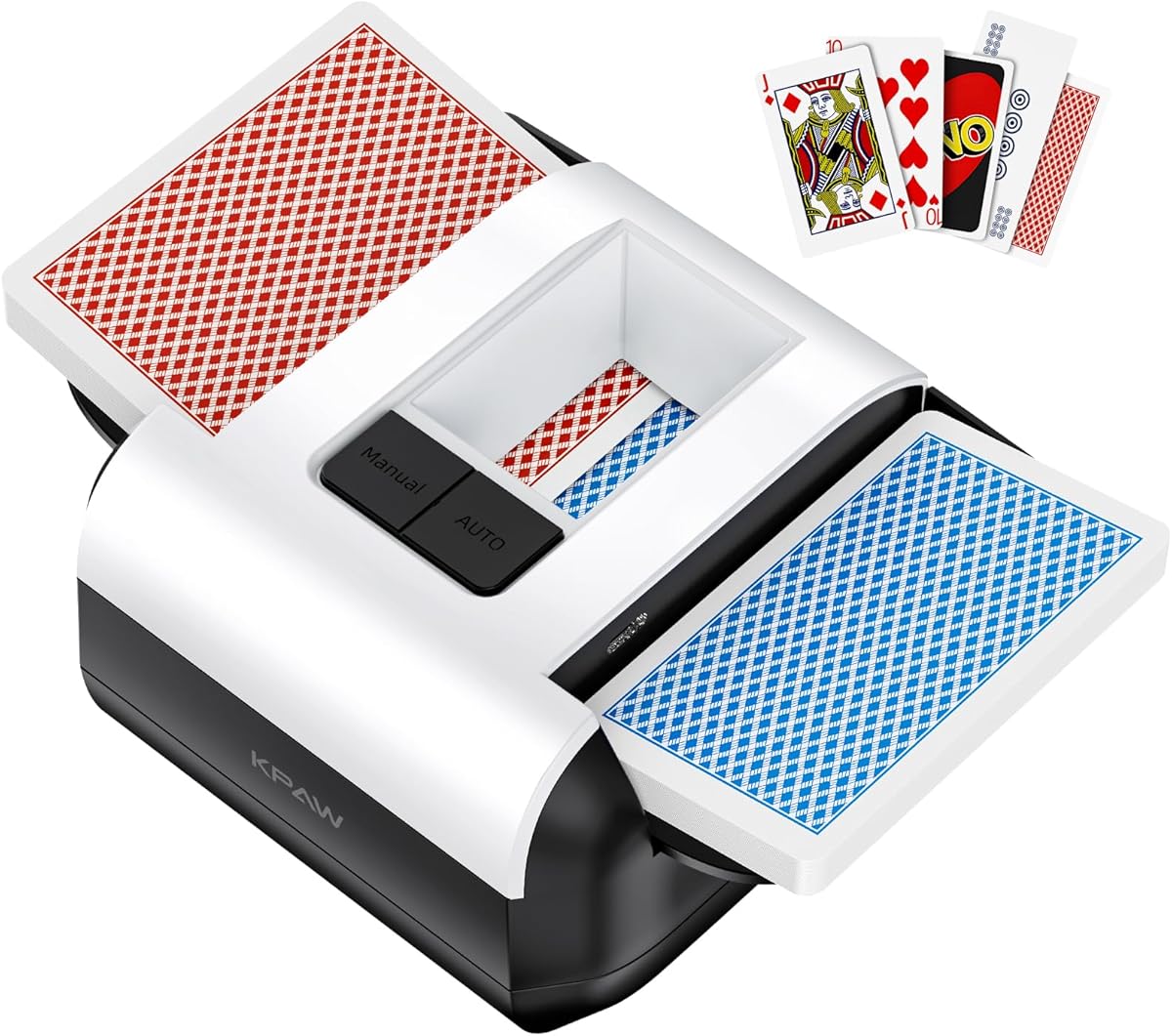
When evaluating this specific 2-deck rechargeable shuffler with dual modes, focus on its practical application for mixed card games. Unlike single-mode shufflers, this model's compatibility with UNO and Phase 10 cards requires specific feed mechanisms that handle varying card thicknesses. The 'low noise' claim is particularly relevant for family settings where mechanical sounds can disrupt conversation.
Key Considerations Before Buying
- Dual mode functionality must genuinely accommodate both standard poker cards and thicker specialty cards like UNO—some shufflers claim compatibility but jam with non-standard decks.
- Rechargeable battery life directly impacts portability; look for runtime that supports multiple game sessions without mid-game charging interruptions.
- Two-deck capacity is ideal for games like Texas Hold'em but insufficient for games requiring multiple decks simultaneously, limiting its tournament utility.
What Our Analysts Recommend
Examine the card feed slot width—quality shufflers have adjustable or sufficiently wide slots to prevent card bending. Check for consistent shuffling patterns in video reviews; some units produce predictable sequences that compromise game integrity. The housing material should be durable ABS plastic, not brittle alternatives that crack from repeated card impacts.
Card Shufflers Market Context
Market Overview
The home card shuffler market has shifted toward rechargeable models, moving away from battery-dependent units that drain power during extended game nights. Canadian consumers particularly value bilingual packaging and support, which this product's English/French reviews indicate it provides. The 4.89/5 rating suggests strong satisfaction within this niche.
Common Issues
Cheap shufflers often jam with slightly worn cards or fail to randomize properly, creating predictable patterns. Motor burnout after moderate use plagues budget models, while poor card alignment mechanisms damage card edges during feeding. Many units struggle with the thickness variation between poker cards and board game cards like Phase 10.
Quality Indicators
Look for consistent positive mentions of durability beyond 6 months in long-term reviews. Quality shufflers maintain randomization integrity across hundreds of cycles without developing repetitive sequences. Superior models feature protected rollers that don't leave marks on card faces—a critical detail for preserving collectible decks.
Review Authenticity Insights
Grade B Interpretation
A Grade B with 10% estimated fake reviews indicates generally reliable feedback with minor manipulation concerns. The 0.29-point drop from 4.89 to 4.60 when adjusting for suspicious reviews suggests some inflated ratings, but the core satisfaction remains high. Verified purchase status across all reviews significantly boosts credibility.
Trust Recommendation
Prioritize reviews discussing specific use cases like UNO compatibility or battery performance over generic praise. The French-language reviews provide valuable insight into Canadian-specific usage patterns. Cross-reference mentions of the dual modes with video evidence to verify functionality claims.
Tips for Reading Reviews
Focus on reviews mentioning actual game usage (Texas Hold'em nights, family UNO games) rather than unboxing impressions. Look for comments about card wear patterns after repeated use—this reveals long-term durability. Pay attention to noise level descriptions during actual gameplay, not just initial testing.
Expert Perspective
This shuffler's exceptional 4.60 adjusted rating from 1,363 verified reviews indicates strong performance in home environments. The dual-mode functionality appears genuinely useful for households playing both traditional and specialty card games. The rechargeable feature addresses a common pain point in this category—battery replacement costs and mid-game power failures. However, the two-deck limitation means serious poker players hosting larger games would need multiple units or manual shuffling for additional decks.
Purchase Considerations
Weigh the convenience of automated shuffling against the need to occasionally manually align cards for proper feeding. Consider your card mix—if you primarily use standard poker cards, single-mode shufflers might suffice, but mixed game households benefit from the dual functionality. The portability advantage diminishes if you typically game in one location with power access.
Comparing Alternatives
Compare feed mechanism designs with similar-priced models, as roller quality varies significantly across brands at this price point.