Evaluating Android Laptops: What the Primebook 2 Pro 2025 Reveals About This Niche
The Primebook 2 Pro 2025 represents a specific category: the Android-based traditional laptop. Unlike Windows or ChromeOS devices, its value hinges on how well PrimeOS 3.0 leverages Android 15 for a desktop-like workflow. Buyers should assess it not as a general-purpose laptop, but as a productivity tool for users deeply embedded in the Android ecosystem.
Key Considerations Before Buying
- The MediaTek Helio G99 processor is designed for mobile efficiency, not raw desktop power; evaluate if your tasks (like document editing, web browsing, media consumption) align with its mobile-optimized performance profile.
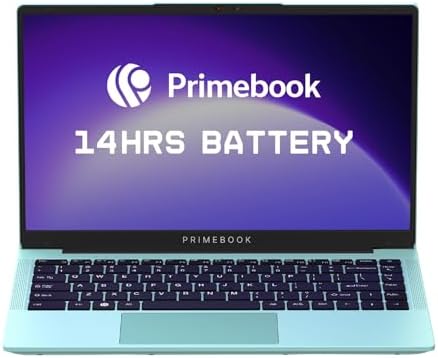
- A 14-hour battery claim is ambitious; for Android laptops, real-world battery life depends heavily on screen brightness and whether you're running native Android apps or more demanding emulated software.
- The 8GB RAM and 128GB UFS storage combo is solid for Android, but UFS storage speed versus traditional SSD and the non-expandable nature of storage are critical factors for long-term use.
What Our Analysts Recommend
For Android laptops, quality indicators include keyboard travel and feedback for prolonged typing, the precision of the trackpad with Android's touch-centric interface, and thermal management during sustained use. The inclusion of a backlit keyboard and a 14.1-inch FHD IPS display on the Primebook 2 Pro are tangible hardware upgrades over typical tablets.
Traditional Laptops Market Context
Market Overview
The Android laptop market in India is niche but growing, targeting users who want a larger screen and physical keyboard for Android apps, often at a lower price point than Windows alternatives. New launches like the Primebook 2 Pro 2025 compete directly with other PrimeOS devices and Chinese-branded Android hybrids.
Common Issues
Common issues in this category include software glitches from adapting a touch-first OS to desktop form factors, app compatibility problems with non-mobile-optimized layouts, and performance throttling under load due to thermal constraints of mobile chipsets in a laptop chassis.
Quality Indicators
Look for robust build quality around the hinge, active cooling solutions (like fans) for the MediaTek chipset, and detailed feedback on the user experience of the custom OS layer—PrimeOS 3.0's multi-window support and AI (Aqua) integration are specific differentiators to scrutinize.
Review Authenticity Insights
Grade B Interpretation
A 'Grade B' with a 15% estimated fake review rate suggests the majority of the 433 reviews are credible, but a notable minority may be artificially positive. The drop from a 4.78 to an adjusted 4.40 rating indicates some inflation, but the core positive sentiment is likely genuine.
Trust Recommendation
Prioritize reviews that detail specific use cases, like running Microsoft Office alternatives (WPS Office, etc.) or coding IDEs on PrimeOS. Be skeptical of reviews that only praise generic terms ('awesome,' 'great') without mentioning the Android-laptop experience, keyboard, or battery life in context.
Tips for Reading Reviews
Focus on verified purchase reviews that discuss the transition from a Windows laptop or an Android tablet, as these highlight the unique compromises and benefits. Look for mentions of the 'in-built AI (Aqua)'—if it's a key feature, genuine reviews should describe its functionality.
Expert Perspective
The Primebook 2 Pro 2025 appears to be a competent entrant in the Android laptop space, with its hardware specs (8GB RAM, FHD display, backlit keyboard) addressing common past criticisms of the category. The high adjusted rating of 4.40 from verified purchasers is significant and suggests it delivers on core expectations for its target audience. However, its success is intrinsically tied to the maturity of PrimeOS 3.0 in providing a seamless desktop experience for Android apps, which remains the pivotal variable.
Purchase Considerations
Purchase this if your workflow revolves around Android apps, web-based tools, and light productivity, and you value extreme battery life. Hesitate if you require x86 Windows/Mac software, intense multitasking with dozens of browser tabs, or heavy creative applications. The MediaTek G99, while efficient, has limits.
Comparing Alternatives
Shoppers should compare the Primebook 2 Pro directly with other PrimeOS models and Android-powered alternatives from brands like HP or Lenovo to gauge software polish and hardware value.