
Evaluating Red Light Therapy Caps: What Hair Growth Seekers Need to Know
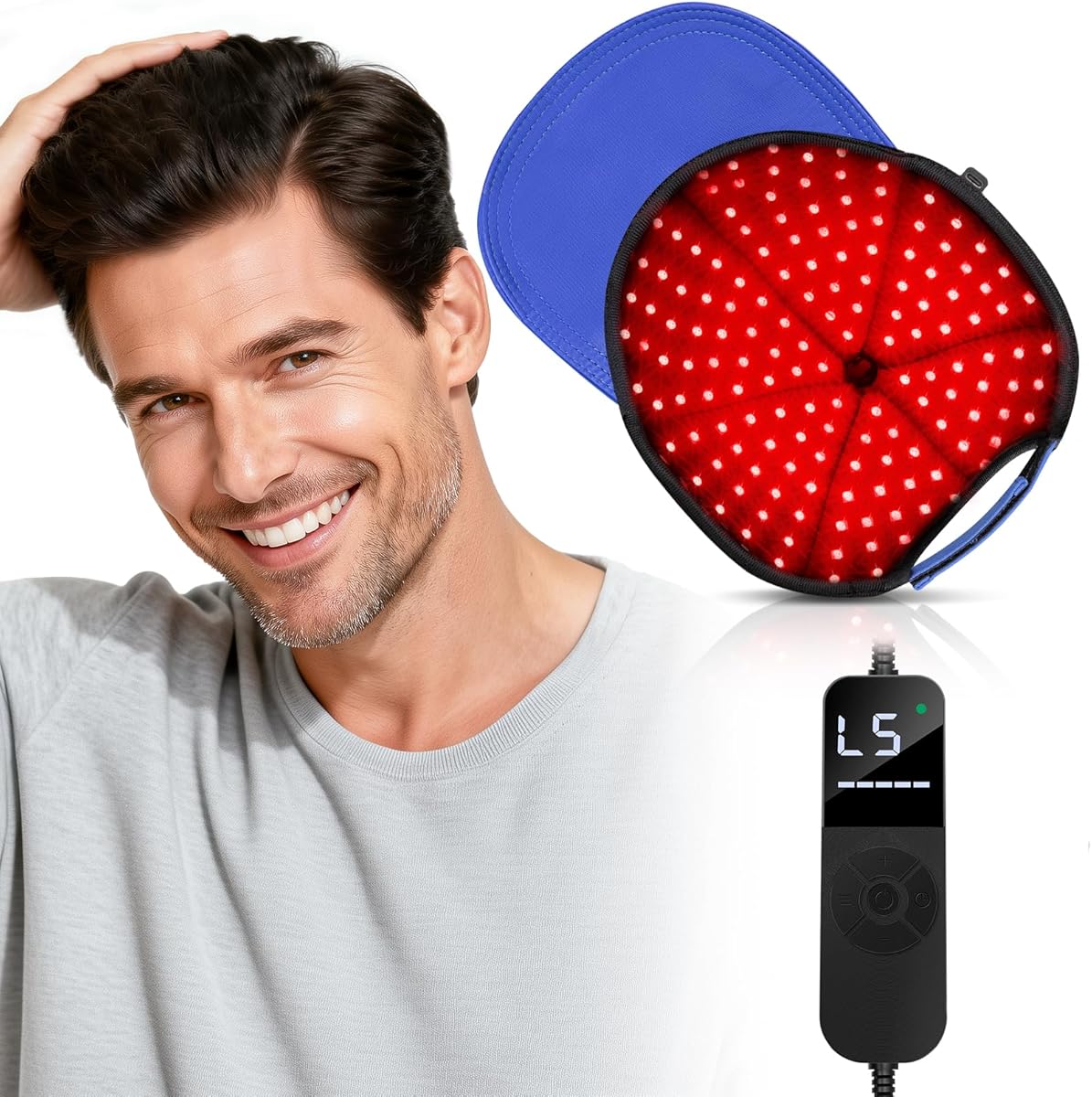
This Red Light Hair Growth Cap represents a specific category of at-home photobiomodulation devices designed for scalp treatment. Unlike handheld wands or panels, caps provide full-head coverage, but their effectiveness depends on precise wavelength delivery and consistent fit. Buyers should understand that results vary based on individual hair loss patterns and device specifications.
Key Considerations Before Buying
- Wavelength accuracy is critical—look for caps emitting light in the 630-670nm (red) and 810-850nm (near-infrared) ranges, which research suggests may stimulate hair follicles at the cellular level.
- Treatment protocols matter: effective caps should offer timed sessions (typically 6-25 minutes) with consistent light distribution across the entire scalp, not just certain sections.
- Device durability and comfort are essential since these caps require regular use over months—consider weight, breathability, and whether the design accommodates different head sizes.
What Our Analysts Recommend
Quality indicators include FDA-cleared status (though not FDA-approved for hair growth), transparent specifications about LED count and power density (mW/cm²), and medical-grade silicone or flexible materials that maintain contact with the scalp. Reputable manufacturers provide clinical references for their chosen wavelengths rather than vague 'clinical studies' claims.
Light Therapy Market Context
Market Overview
The at-home red light therapy cap market has expanded rapidly, with devices ranging from $200 to $800+ offering varying levels of medical-grade engineering. While some brands partner with dermatology researchers, others repurpose basic LED arrays without optimal scalp-specific design. Consumer expectations often outpace the gradual nature of photobiomodulation results.
Common Issues
Users frequently report inconsistent light coverage around hairlines and crowns, discomfort during longer sessions, and confusion about treatment frequency (most protocols suggest 3-5 times weekly). Another concern is battery degradation in cordless models, which reduces light intensity over time.
Quality Indicators
Superior caps feature medical-grade LEDs with narrow wavelength variance (±5nm), uniform irradiance mapping verified by third-party testing, and flexible designs that contour to scalp topography. Look for brands that disclose their light intensity at scalp level, not just at the emitter surface.
Review Authenticity Insights
Grade B Interpretation
The 'Grade U' with 0.00% fake reviews indicates this product has no established review history on Amazon—neither authentic nor suspicious patterns exist yet. This complete absence of user feedback means you're evaluating based solely on manufacturer claims and specifications.
Trust Recommendation
Without verified customer experiences, scrutinize the product listing's technical details and manufacturer background. Check if the company provides before/after photos with consistent lighting and angles, and whether they reference specific clinical parameters rather than generic 'increases circulation' claims.
Tips for Reading Reviews
When reviews eventually appear, prioritize detailed accounts mentioning specific usage duration (e.g., 'after 4 months of 25-minute sessions') and measurable changes over subjective 'feeling' statements. Be skeptical of reviews claiming dramatic results in under 8 weeks, as hair growth cycles typically require longer intervention periods.
Expert Perspective
This zero-review product presents both opportunity and risk—you might discover an effective new device before broader adoption, but you're essentially funding real-world testing. The complete lack of customer feedback means you must rely entirely on manufacturer transparency about wavelength specifications, power density, and design rationale. In the light therapy category, products without established user bases often have unproven durability or comfort issues that only emerge after months of use.
Purchase Considerations
Weigh the manufacturer's return policy and warranty terms heavily, as you'll need protection if the cap doesn't fit properly or shows early technical issues. Consider whether the company provides independent lab reports verifying their light output claims—this documentation becomes crucial when user reviews are absent.
Comparing Alternatives
Compare this cap's specifications against established brands' published clinical parameters, particularly regarding irradiance levels and treatment area coverage.


