
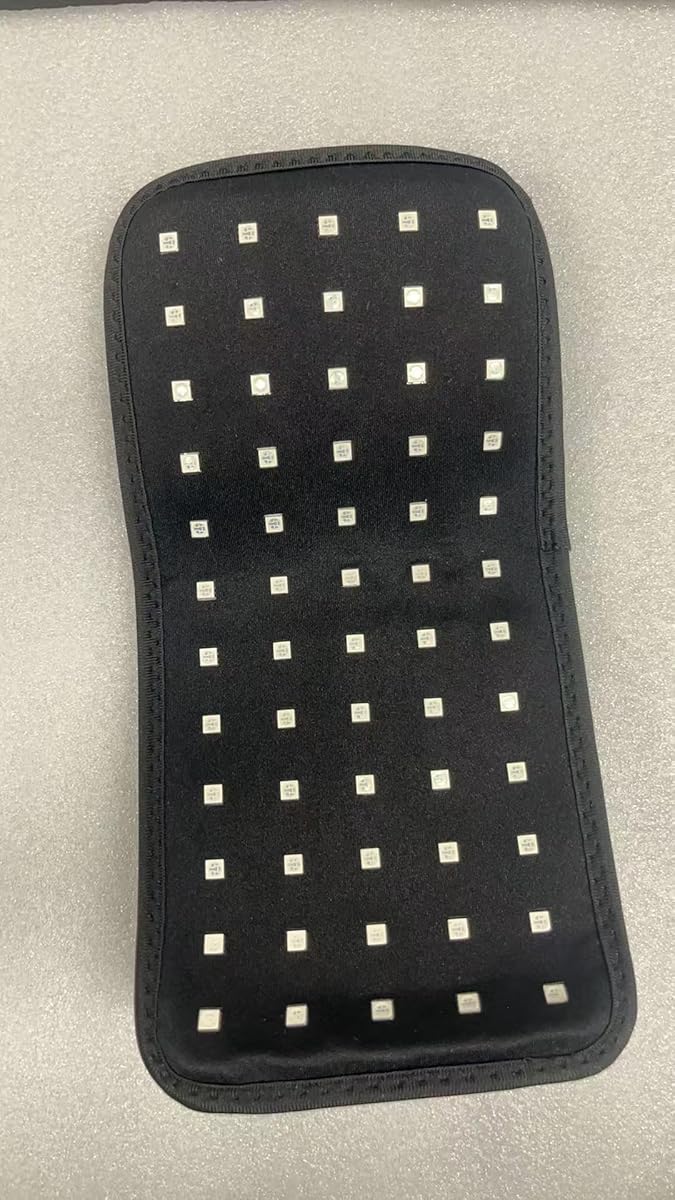
Evaluating Red Light Therapy Mats: What Matters for 660nm and 850nm LED Systems
When considering this specific Body Red Light Therapy Mat with its dual-wavelength (660nm red and 850nm near-infrared) LEDs, buyers should understand that not all light therapy products deliver equal therapeutic potential. This mat format offers full-body coverage but requires careful evaluation of wavelength accuracy, power density, and practical usability factors that affect real-world results.
Key Considerations Before Buying
- Wavelength specificity matters—this product's 660nm targets skin and surface tissues while 850nm penetrates deeper for muscle and joint concerns, so consider which matches your primary needs.
- Mat-based systems require consistent positioning for effective treatment; evaluate whether your lifestyle accommodates lying on a mat for 10-20 minute sessions multiple times weekly.
- Power output and LED density directly impact treatment efficacy; this mat's 2-in-1 design should provide sufficient irradiance to trigger cellular responses without excessive heat buildup.
What Our Analysts Recommend
Quality indicators for this category include FDA-registered status (though not FDA-approved for specific treatments), clear specifications about irradiance (mW/cm²), and detailed wavelength verification. Genuine products provide specific technical data rather than vague therapeutic claims, with build quality that ensures consistent LED output across the entire mat surface.
Light Therapy Market Context
Market Overview
The red light therapy mat market has expanded rapidly, with products ranging from medical-grade devices to consumer-focused blankets like this one. Current offerings vary significantly in LED quality, wavelength accuracy, and power output, creating a confusing landscape where price doesn't always correlate with therapeutic value.
Common Issues
Users frequently report inconsistent results due to underpowered LEDs, uneven light distribution across mats, and durability concerns with flexible designs. Many products lack sufficient irradiance to deliver clinically meaningful doses, while others generate excessive heat that limits comfortable use.
Quality Indicators
Superior products provide third-party wavelength verification, clear irradiance measurements at different distances, and medical-grade LED components. Look for manufacturers that disclose specific technical specifications rather than making broad therapeutic claims without supporting data.
Review Authenticity Insights
Grade B Interpretation
The Grade B authenticity rating with 15% estimated fake reviews suggests mostly genuine feedback but warrants careful review reading. This indicates some review manipulation exists but doesn't dominate the overall rating, which sits at a moderate 3.4/5 after adjustment.
Trust Recommendation
Focus on reviews that mention specific usage patterns (frequency, duration, body areas treated) and measurable outcomes rather than vague wellness claims. The adjusted 3.4 rating suggests mixed real-world experiences, so pay particular attention to critical reviews that detail specific shortcomings.
Tips for Reading Reviews
Prioritize reviews discussing wavelength effectiveness for particular conditions, mat durability over time, and practical aspects like portability and setup. Be skeptical of reviews using identical phrasing or making identical claims, as these may represent coordinated manipulation.
Expert Perspective
This product's dual-wavelength approach addresses both superficial and deeper tissue concerns, which is technically sound if properly implemented. However, the 3.4 adjusted rating from authentic reviews suggests execution may not match the theoretical benefits for all users. The mat format offers convenience but requires commitment to regular use protocols to potentially see benefits. The authenticity analysis indicates genuine users report varied experiences, suggesting individual factors significantly influence outcomes.
Purchase Considerations
Weigh whether the mat format suits your treatment consistency and whether your target concerns align with the specific wavelengths offered. Consider your tolerance for mixed reviews—while not heavily manipulated, the feedback shows genuine users experience both satisfaction and disappointment. Evaluate whether you need medical-grade precision or whether consumer-level benefits suffice.
Comparing Alternatives
Compare this mat's specifications against panel-based systems for targeted treatment and other mats with different wavelength combinations or power densities.


