Choosing a Travel Voltage Converter: Power Needs, Ports, and Plug Compatibility
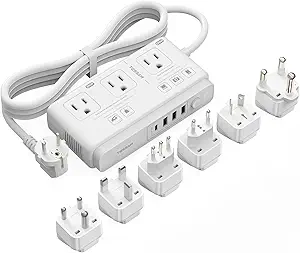
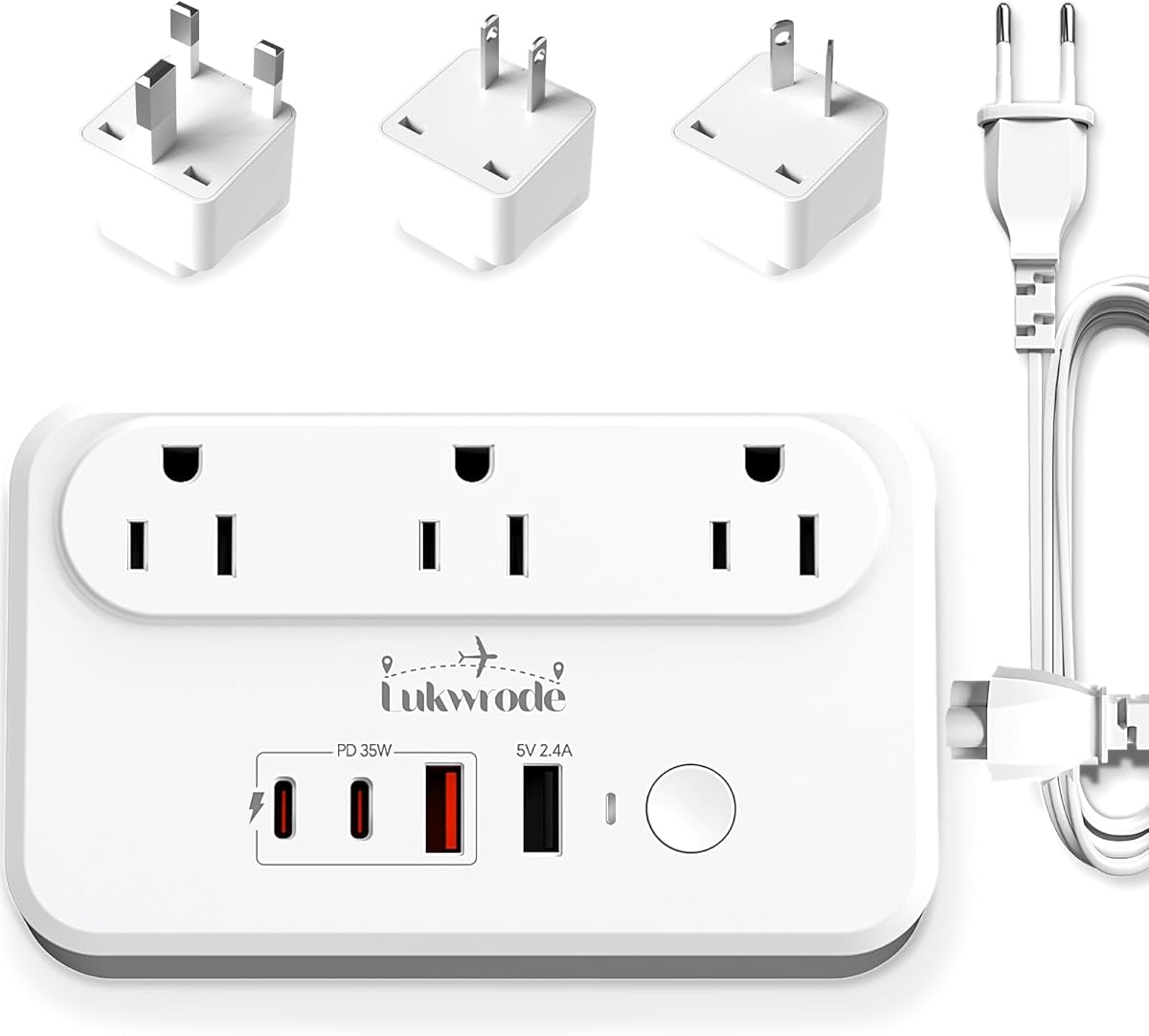
This specific 220V to 110V converter with a 35W PD Type-C port and multiple USB-A outputs represents a hybrid solution for modern travelers. Unlike basic plug adapters, it actively steps down voltage for sensitive 110V devices while offering direct charging for USB-C electronics. Buyers must understand its dual function: voltage conversion for some items and simple plug adaptation for others.
Key Considerations Before Buying
- The 35W Power Delivery (PD) on the Type-C port is sufficient for fast-charging phones and tablets but may be slow for power-hungry laptops; check your laptop's wattage requirements.
- This unit's 'combo plug' design for US, EU, UK, and AU outlets is convenient, but ensure the physical plug types match your specific destinations, as some regions have multiple socket standards.
- Verify the wattage of any 110V device you plan to use; this converter is designed for low-to-moderate wattage electronics like hair dryers (check label), cameras, or fans, not for high-wattage appliances like kettles or irons.
What Our Analysts Recommend
For a unit like this, quality indicators include clear labeling of maximum wattage capacity (often 200W-500W for this style) and built-in safety features like surge protection and automatic shutdown. The inclusion of a PD-rated Type-C port, as seen here, is a key modern feature for efficient device charging. Check that the plug adapters lock securely into place to avoid poor contact in foreign outlets.
Power Converters Market Context
Market Overview
The travel converter market is increasingly bifurcating into simple plug adapters and sophisticated, all-in-one power hubs with GaN technology for higher efficiency. This product sits in the middle, offering essential voltage conversion alongside modern USB charging, a popular category for international travelers from North America.
Common Issues
Common failures include overheating from sustained use at or near maximum wattage, fragile plug pins that bend or break, and USB ports that cease fast-charging. Users often mistakenly try to power high-wattage appliances, tripping the safety fuse or damaging the converter.
Quality Indicators
Look for certifications like CE, FCC, or RoHS, which indicate compliance with safety and environmental standards. A robust build with clear, legible warning labels and a dedicated fuse compartment for easy replacement are hallmarks of a well-designed converter. The presence of PD (Power Delivery) protocol for the USB-C port is a sign of updated charging technology.
Review Authenticity Insights
Grade B Interpretation
A 'Grade B' with an estimated 12% fake review rate suggests the review corpus is generally reliable but requires discerning reading. The high adjusted rating of 4.60/5, derived from filtering suspicious patterns, indicates strong authentic satisfaction.
Trust Recommendation
Prioritize reviews that mention specific use cases, like charging a particular laptop model or using a hair straightener in Europe, over vague praise. The 'verified purchase' status of all reviews here is a significant positive trust signal you should actively look for.
Tips for Reading Reviews
For technical products like converters, seek out reviews discussing long-term durability over several trips, performance with specific device brands, and any issues with plug fit in different countries. Be wary of reviews that only praise packaging or delivery speed without addressing core functionality.
Expert Perspective
The data paints a picture of a highly satisfactory product within its niche. The exceptional 4.88/5 rating, even when conservatively adjusted to 4.60/5, is notable for this category where performance issues are common. The combination of a 35W PD port for modern gadgets and essential voltage conversion for legacy devices addresses the core needs of most travelers packing a mix of electronics. The high rate of verified purchases adds considerable weight to the positive feedback.
Purchase Considerations
Your decision should hinge on whether your travel kit includes 110V appliances requiring voltage conversion or if you only need USB charging. If you only charge phones and laptops with universal power supplies (100-240V), a simpler, cheaper GaN travel adapter may suffice. This converter's value is in its dual-role capability.
Comparing Alternatives
Shoppers should compare the wattage capacity, number of PD/USB ports, and included plug adapter types against similar combo units from brands like BESTEK or FOVAL.


![120V to 100V Voltage Converter 1600watts Step Down toroidal Voltage Converter for Japan appliances Used in US[CE, CQC Certified]](https://m.media-amazon.com/images/I/719CXqqRYbL._AC_SY300_SX300_QL70_FMwebp_.jpg)