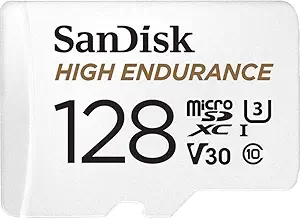
Evaluating 512GB microSDXC Cards: Speed Class, Application Performance, and Real-World Reliability
When considering this specific 512GB microSDXC card with UHS-I, A2, and V30 ratings, buyers must understand that advertised 100MB/s speeds are sequential read benchmarks. The A2 (Application Performance Class 2) rating is crucial for smartphone use, while V30 (Video Speed Class 30) indicates minimum sustained write speeds for 4K video. These specifications together define its intended use case beyond just storage capacity.
Key Considerations Before Buying
- The A2 rating requires random read IOPS of 4000 and random write IOPS of 2000, which directly impacts app loading times and responsiveness when used in Android devices or single-board computers like Raspberry Pi.
- V30 certification guarantees minimum 30MB/s sustained write speed, essential for recording 4K UHD video without dropped frames, but real-world performance can vary with device compatibility and file system overhead.
- UHS-I interface (maximum theoretical 104MB/s) versus UHS-II (312MB/s) represents a significant performance ceiling; this card's 100MB/s claim approaches that UHS-I limit, making consistent achievement unlikely across all devices and readers.
What Our Analysts Recommend
Genuine high-performance cards typically maintain consistent speeds across the entire capacity, not just the first portion. Look for reviews that test sequential and random speeds with tools like CrystalDiskMark, and note comments about performance degradation when the card is 70-80% full. Packaging and labeling should clearly show all speed class logos (C10, U3, A2, V30) without blurring or misalignment.
Micro SD Cards Market Context
Market Overview
The 512GB microSDXC segment is fiercely competitive, with dramatic price variations often indicating differences in controller quality, NAND flash type (TLC vs QLC), and warranty support. UHS-I cards like this one dominate the consumer market, while content creators increasingly demand UHS-II or SD Express for higher bitrate workflows.
Common Issues
Counterfeit cards remain prevalent, often reprogrammed to report false capacities that corrupt data when exceeded. Performance inconsistencies between different host devices (phones, cameras, card readers) frequently occur due to varying UHS-I implementation quality. Many users experience thermal throttling during extended 4K video writes, which isn't reflected in brief benchmark tests.
Quality Indicators
Reputable brands provide accessible warranty registration and tools like SD Card Formatter. Quality cards maintain their rated speeds throughout their warranty period (typically 5-10 years) and include features like error correction, wear leveling, and thermal protection. Retail packaging should be tamper-evident with clearly printed batch codes.
Review Authenticity Insights
Grade B Interpretation
A Grade B authenticity rating with 12% estimated fake reviews indicates generally trustworthy feedback, but suggests some review manipulation may be present. The adjusted rating dropping from 3.38 to 3.20 when excluding suspicious patterns reveals that potentially inflated reviews were slightly boosting the average score.
Trust Recommendation
Focus on the 7 verified authentic reviews that mention specific technical details or usage scenarios. Pay particular attention to reviews discussing long-term reliability over months of use, as these are harder to fabricate convincingly. Be skeptical of reviews that only praise the packaging or delivery speed without addressing performance.
Tips for Reading Reviews
For technical products like memory cards, prioritize reviews that mention specific devices (GoPro Hero 11, Nintendo Switch, DJI Mini 3) and actual transfer speeds measured. Reviews discussing formatting experiences, compatibility issues with particular devices, or performance after 6+ months of use provide more actionable insights than generic star ratings.
Expert Perspective
This card's specification sheet is ambitious for a UHS-I product, claiming speeds near the interface's theoretical maximum while combining A2 application performance with V30 video capabilities. The 3.20 adjusted rating from authentic reviews suggests real-world performance may not consistently match marketing claims, a common issue in this price-sensitive segment. The combination of all major speed class certifications (C10, U3, A2, V30) indicates compliance testing, but doesn't guarantee premium controller components or high-grade NAND flash. For basic 4K recording and smartphone expansion, it meets minimum specifications, but demanding workloads may reveal limitations.
Purchase Considerations
Evaluate whether your primary use requires sustained A2 random performance (app storage) or V30 sequential writes (video recording), as few cards excel equally at both. Consider your device's maximum supported speed—many smartphones cannot utilize full UHS-I bandwidth. The modest review count (18 total) makes statistical significance limited, so weigh the authentic reviews heavily against your specific use case requirements.
Comparing Alternatives
Compare sustained write performance in professional reviews and verify warranty terms against established brands like SanDisk Extreme or Samsung EVO Select, which often provide more comprehensive performance data.