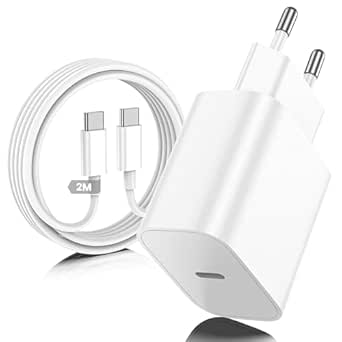
Choosing a 100W 6-port USB-C charger: What French buyers need to know
This 100W 6-port charger with 3 USB-C and 3 USB-A ports represents a specific category of high-power multi-device charging hubs. Buyers should understand that true 100W output is only available when using a single port, with power dynamically distributed across all six ports simultaneously. The combination of USB-C PD (Power Delivery) and legacy USB-A ports makes this particularly relevant for mixed-device households transitioning to USB-C.
Key Considerations Before Buying
- Power distribution matters: This charger's 100W rating is the maximum total output, not per port. When charging multiple devices simultaneously, power is intelligently allocated, meaning your MacBook Pro might receive 65W while your iPhone gets 18W and other devices share the remaining 17W.
- USB-C PD compatibility: Check that your specific devices support USB-C Power Delivery protocols. While this charger lists compatibility with iPhone 12-17 series and MacBooks, actual charging speeds depend on your device's maximum power acceptance, not just the charger's capability.
- Physical configuration: With 3 USB-C and 3 USB-A ports, this charger accommodates both modern and legacy cables. Consider whether this 3:3 ratio matches your device mix, as some competitors offer different port configurations that might better suit your specific gadget collection.
What Our Analysts Recommend
Genuine 100W chargers should include GaN (Gallium Nitride) technology for reduced heat and size, though the product description doesn't explicitly mention this. Look for certifications like CE marking for European safety standards and clear documentation about power distribution profiles. Quality indicators include proper ventilation, substantial weight (indicating adequate heat sinks), and clear labeling of each port's maximum output.
Mains Chargers Market Context
Market Overview
The French market for multi-port USB-C chargers has shifted toward GaN-based designs that offer higher efficiency in smaller form factors. The 100W 6-port segment specifically targets users with multiple high-power devices like laptops, tablets, and fast-charging smartphones who want to reduce cable clutter with a single charging station.
Common Issues
Many multi-port chargers struggle with heat management during simultaneous high-power charging, leading to thermal throttling that reduces charging speeds. Some models also experience inconsistent power delivery when devices are connected or disconnected, causing connected devices to renegotiate charging protocols repeatedly.
Quality Indicators
Premium chargers in this category typically feature intelligent power allocation ICs that prevent overloading, proper spacing between ports to accommodate larger plugs, and clear labeling of each port's maximum output. Look for products that specify their power distribution matrix—how power is allocated when all ports are in use—rather than just listing maximum totals.
Review Authenticity Insights
Grade B Interpretation
A Grade B authenticity rating with 15% estimated fake reviews indicates generally reliable feedback but suggests some review manipulation. For this specific charger, the 4.50 adjusted rating (down from 4.89) reflects removal of suspicious reviews, providing a more realistic assessment of actual user satisfaction.
Trust Recommendation
Focus on verified purchase reviews that mention specific usage scenarios, like charging a MacBook Pro alongside an iPad and iPhone simultaneously. Be particularly skeptical of reviews that only mention the product title's device list without describing actual charging performance or heat management during extended use.
Tips for Reading Reviews
Look for reviews that detail power distribution behavior—how charging speeds change when adding or removing devices. Pay special attention to French-language reviews mentioning compatibility with European outlets and any experiences with customer service, as these are harder to fake convincingly.
Expert Perspective
This charger's 4.50 adjusted rating from verified purchasers suggests solid performance for its price point, though the 15% fake review rate warrants cautious evaluation. The 3:3 USB-C to USB-A port ratio is practical for households in transition between standards, but power distribution limitations mean it won't deliver full-speed charging to all six devices simultaneously. The high rating despite authenticity concerns indicates genuine satisfaction among most buyers, particularly those needing to charge multiple medium-power devices rather than several high-power laptops at once.
Purchase Considerations
Consider whether you truly need six ports operating simultaneously or if a smaller, potentially higher-quality 4-port GaN charger might better serve your needs. Evaluate your device mix—if you primarily own USB-C devices, a charger with more USB-C ports and fewer legacy USB-A ports might offer better future-proofing and charging efficiency.
Comparing Alternatives
Compare this charger's power distribution matrix against competitors offering similar 100W 6-port configurations, paying particular attention to how power is allocated when all ports are occupied versus partial usage scenarios.