
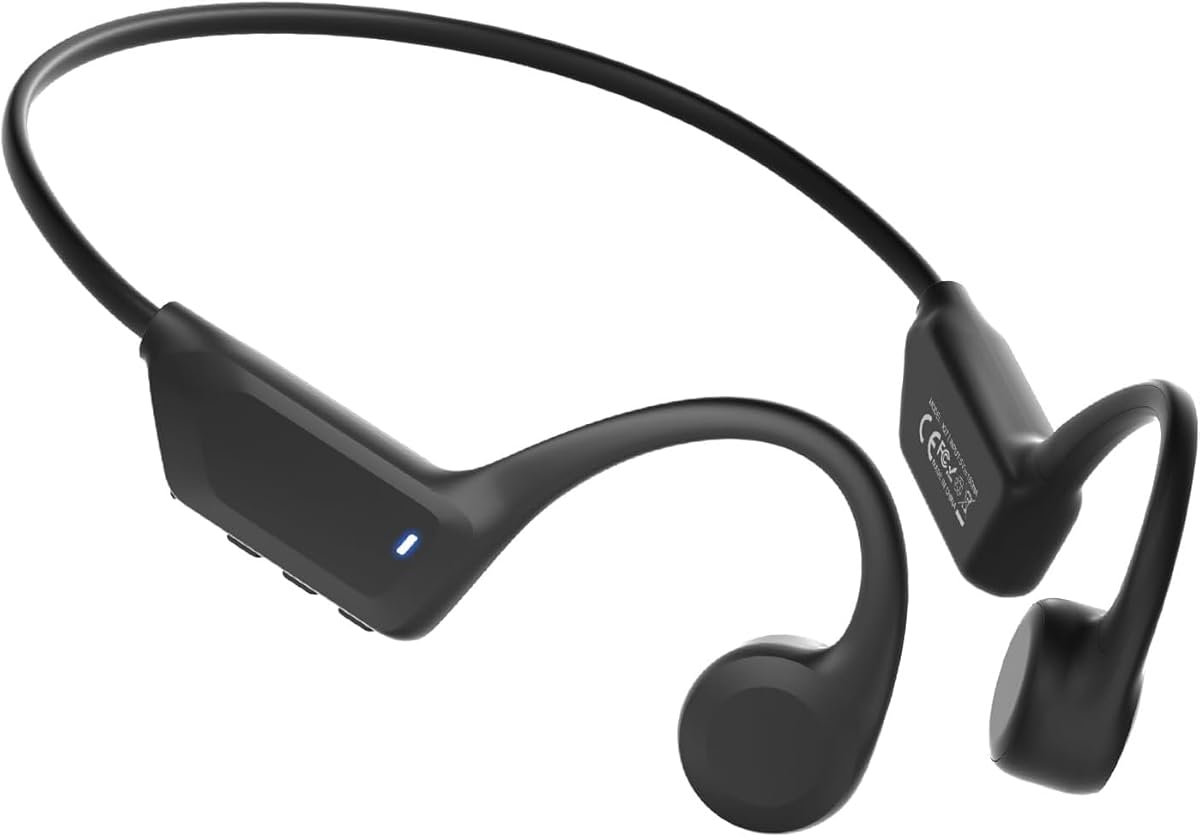
Choosing 2026 Bone Conduction Headphones for Active, Situationally Aware Listening
The 2026 model's Bluetooth 6.0 and IPX5 rating target active users who need stable connectivity and sweat resistance. Unlike generic earbuds, this open-ear design prioritizes environmental awareness, making it a specific tool for running, cycling, and gym workouts where hearing your surroundings is critical. The lightweight, skin-friendly frame is a direct response to comfort complaints about earlier bone conduction models.
Key Considerations Before Buying
- Assess if the open-ear design's situational awareness is more valuable to you than the noise isolation of in-ear buds, especially for outdoor activities like running or cycling.
- Verify that the IPX5 waterproof rating aligns with your sweat level and weather exposure; it protects against sweat and light rain but isn't suitable for submersion.
- Consider the 10-hour battery life against your typical usage patterns; for multi-sport athletes or long training days, this may require mid-activity charging.
What Our Analysts Recommend
For bone conduction headphones, prioritize a secure, non-slip fit behind the ears and consistent vibration transfer without excessive 'tickling.' Quality is indicated by stable Bluetooth 6.0 connectivity during movement and clear microphone performance in windy conditions, which are common failure points. The material should feel genuinely skin-friendly during extended wear, not just lightweight.
Open-Ear Headphones Market Context
Market Overview
The open-ear bone conduction market is rapidly evolving, with newer models like this 2026 version focusing on reducing sound leakage and improving bass response—historical weaknesses of the technology. Competition is fierce, with brands differentiating on comfort, battery life, and call clarity for active use cases.
Common Issues
Typical complaints include audio quality that lacks deep bass compared to traditional headphones, microphone performance deteriorating in noisy environments, and fit issues for users with glasses or specific head shapes. Some models also suffer from vibration discomfort during long listening sessions.
Quality Indicators
Superior bone conduction headphones maintain a balance between audio clarity and minimal sound leakage. Look for mentions of secure fit during high-impact activities, consistent Bluetooth pairing, and a microphone that performs well outdoors. Premium models often use higher-grade titanium or flexible memory alloys in the frame.
Review Authenticity Insights
Grade B Interpretation
A Grade B with a 15% estimated fake review rate suggests generally reliable reviews but warrants scrutiny. The adjusted 4.60/5 rating from a genuine subset is strong and likely more reflective of real-world performance than the perfect 5.00/5 average.
Trust Recommendation
Focus on reviews that detail specific sports usage (running, cycling) and mention long-term comfort or connectivity over multiple workouts. Be skeptical of reviews that only praise generically without context or that mirror marketing language about '2026' and 'Bluetooth 6.0' verbatim.
Tips for Reading Reviews
Seek out reviews that compare these headphones to previous bone conduction models or in-ear alternatives, as these provide substantive context. Pay close attention to comments about battery life accuracy and microphone clarity during calls, as these are critical, verifiable performance aspects.
Expert Perspective
The product data points to a competitively positioned, modern bone conduction headset designed for the active user. The high adjusted rating of 4.60/5 from authentic reviews is promising, indicating that most genuine buyers find it delivers on its core promises of comfort, situational awareness, and workout durability. The specification of Bluetooth 6.0 and IPX5 suggests a focus on stable connectivity and practical, sweat-proof resilience rather than extreme waterproofing. The primary trade-off remains inherent to the category: you're choosing safety and comfort over audiophile-grade sound isolation and bass depth.
Purchase Considerations
This model is a strong candidate if your primary activities are road running, cycling, or gym sessions where hearing ambient noise is a safety or practical requirement. Weigh the importance of the open-ear design against the audio fidelity you're willing to sacrifice. The 10-hour battery is adequate for most, but marathon trainers or long-distance cyclists should verify it meets their longest sessions.
Comparing Alternatives
Shoppers should compare the fit, sound leakage, and microphone quality of this model against established leaders like Shokz to gauge value.


