Choosing a Mini 1/4" Drive Torque Wrench for Precision Bicycle and Motorcycle Work
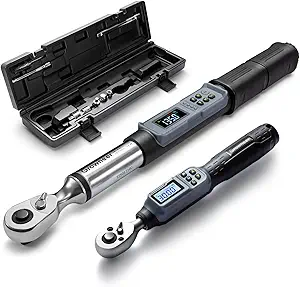
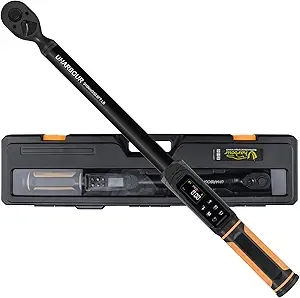
The UPGRADE Mini 1/4" drive torque wrench targets users needing precise, low-torque applications, specifically in bicycle assembly and motorcycle maintenance. Its 20-240 in.lb range and dual-direction capability are engineered for working in tight spaces where standard wrenches won't fit, making it a specialized tool rather than a general-purpose option.
Key Considerations Before Buying
- Verify your required torque range: This wrench's 20-240 in.lb (1.7-20 ft.lb) is ideal for carbon fiber components, derailleur limits, stem bolts, and small engine covers, but insufficient for automotive lug nuts or cylinder heads.
- Assess the dual-direction feature's necessity: The ability to click in both clockwise and counterclockwise directions is valuable for left-hand threads common in certain pedal and bottom bracket applications, but adds complexity to the mechanism.
- Consider the 72-tooth ratchet head: This provides a 5-degree swing arc, crucial for working in the confined spaces of bicycle frames and motorcycle engine bays where a standard 45-tooth wrench would be impractical.
What Our Analysts Recommend
For mini torque wrenches, examine the calibration certificate or claim; even hobbyist-grade tools should mention calibration. A clear, positive 'click' and tactile feedback are more reliable than sound alone in noisy environments. The locking collar for torque setting should feel secure without excessive force to prevent accidental adjustment during use.
Torque Wrenches Market Context
Market Overview
The mini 1/4" drive torque wrench segment has grown with the popularity of carbon fiber bicycles and precision small-engine work, creating demand for affordable tools between professional $300+ models and unreliable no-name imports. Brands like UPGRADE compete by offering features like dual-direction clicking previously found only in premium lines.
Common Issues
Common failures in this category include loss of calibration after minimal use, inconsistent click mechanism engagement, and poor durability of the direction selector switch. The thin-profile handles on mini wrenches can also flex under higher torque settings, affecting accuracy.
Quality Indicators
Look for a clearly marked scale with fine increments (this model has 2 in.lb increments), a robust direction selector that doesn't feel flimsy, and a finish that resists corrosion from hand sweat. The storage case should secure the wrench to prevent accidental setting changes during transport, which is a frequent calibration killer.
Review Authenticity Insights
Grade B Interpretation
A Grade B with a 10% estimated fake review rate indicates a generally trustworthy review profile with minor manipulation. The drop from a 4.56 to a 4.30 adjusted rating suggests some inflated positive reviews, but the core feedback from verified purchasers remains reliable for assessment.
Trust Recommendation
Focus on the verified purchase reviews discussing long-term use over six months and specific applications like 'bottom bracket installation' or 'motorcycle valve cover.' Be slightly more skeptical of reviews that only praise packaging or delivery speed without detailing tool performance.
Tips for Reading Reviews
For precision tools, prioritize reviews that mention calibration checks against a known standard or compare the 'click' feel to other wrenches. Reviews noting the tool's performance at the extreme ends of its range (20 in.lb and 240 in.lb) offer critical insight into its consistency.
Expert Perspective
The UPGRADE Mini presents a compelling value proposition for its specific niche, evidenced by its solid adjusted 4.3 rating from verified owners. Its combination of a 72-tooth head, dual-direction operation, and a case at this price point is notable. However, the authenticity analysis suggests cautious optimism—while not heavily manipulated, the reviews indicate typical trade-offs for budget precision tools, likely in long-term calibration stability versus immediate accuracy.
Purchase Considerations
This wrench is best suited for DIY cyclists and motorcycle enthusiasts who perform regular, precision work but don't require laboratory-grade certification. Professionals using it daily should weigh its cost against the potential need for more frequent recalibration compared to truck-brand tools. The included calibration certificate should be verified for traceability.
Comparing Alternatives
Shoppers should compare the click mechanism feel, warranty terms, and recalibration service availability with similar offerings from ICON, Tekton, or Neiko in the same torque range.